
Last updated November 15, 2026
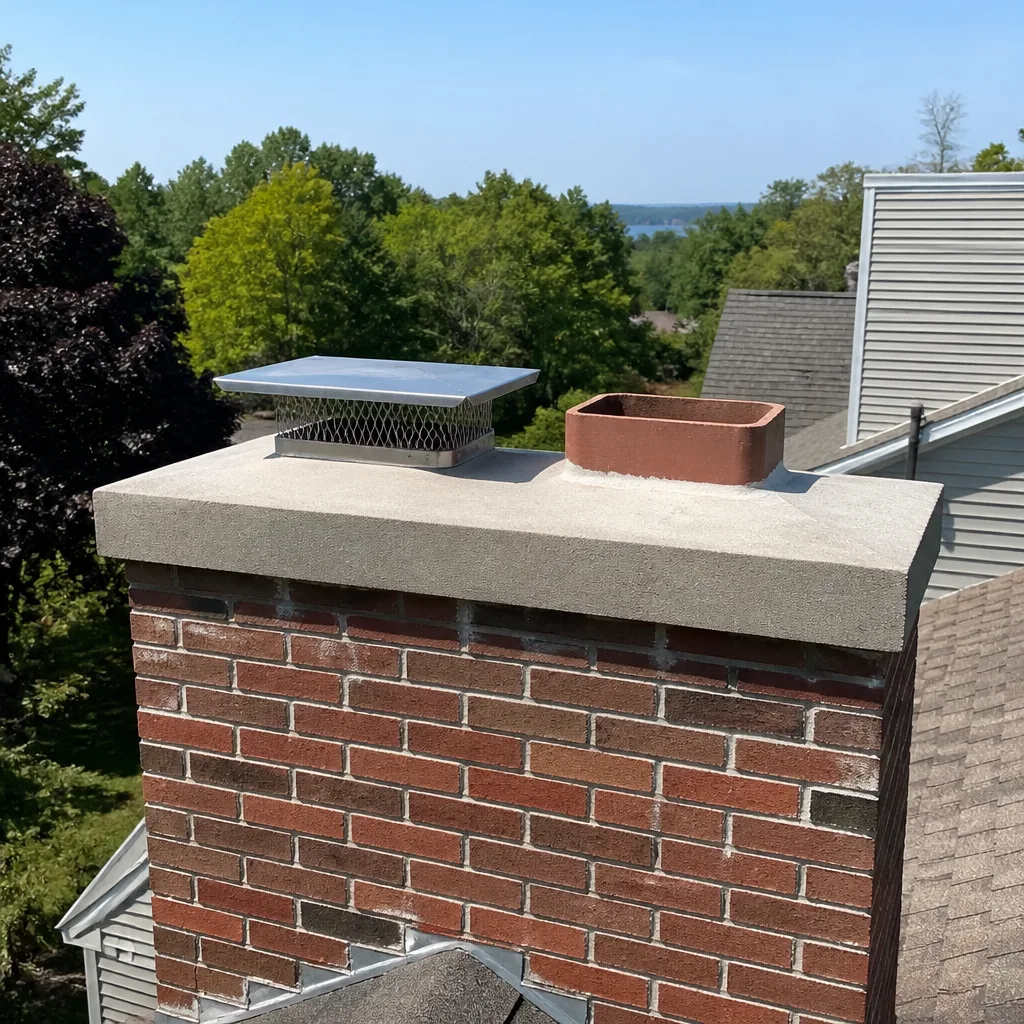 Sweep & inspection
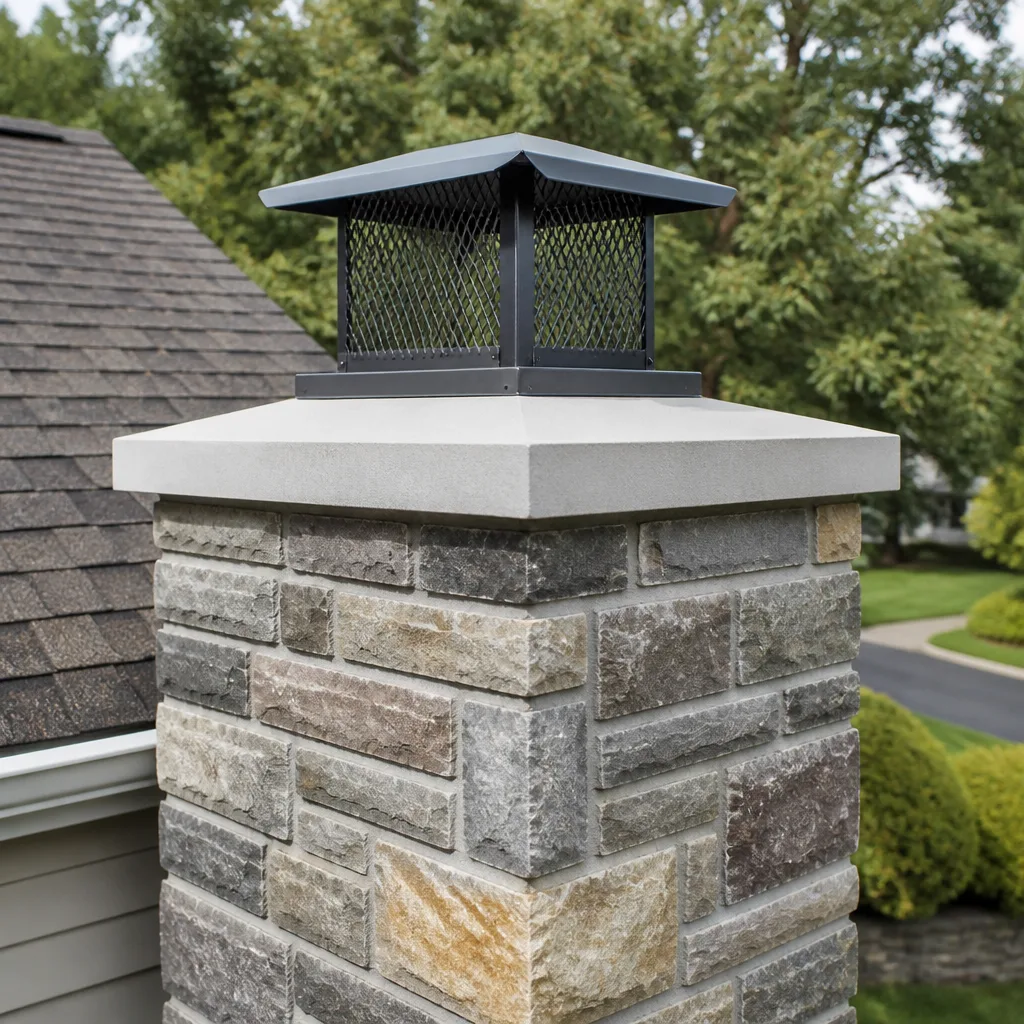 Caps & crowns
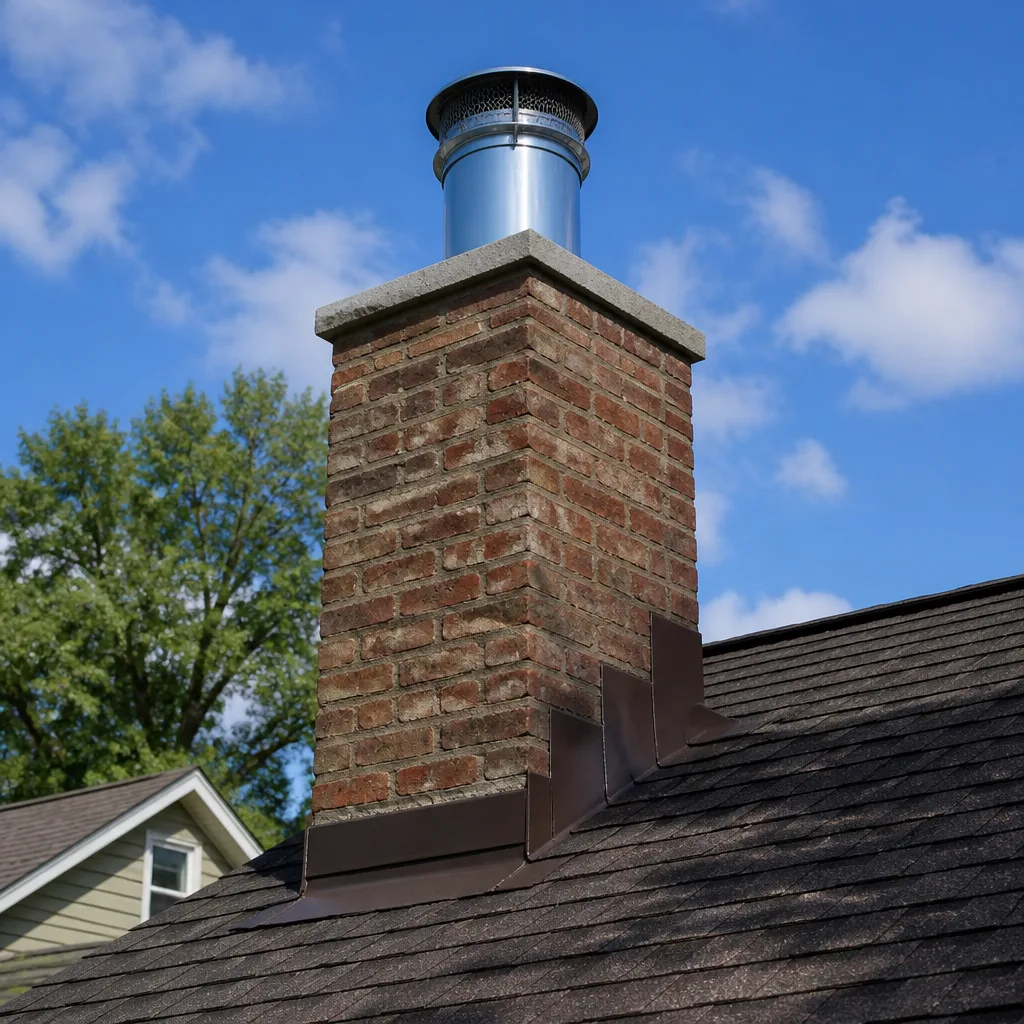 Flue relining
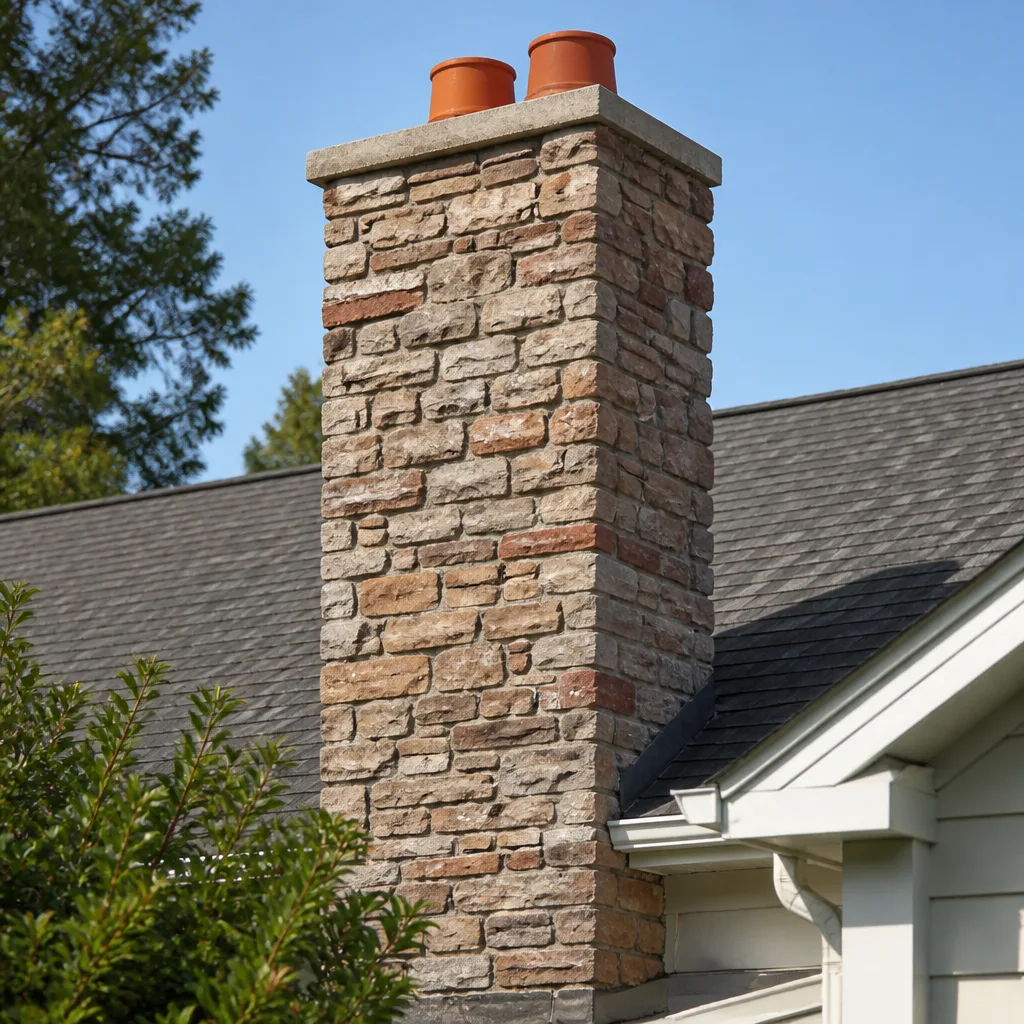 Masonry repair
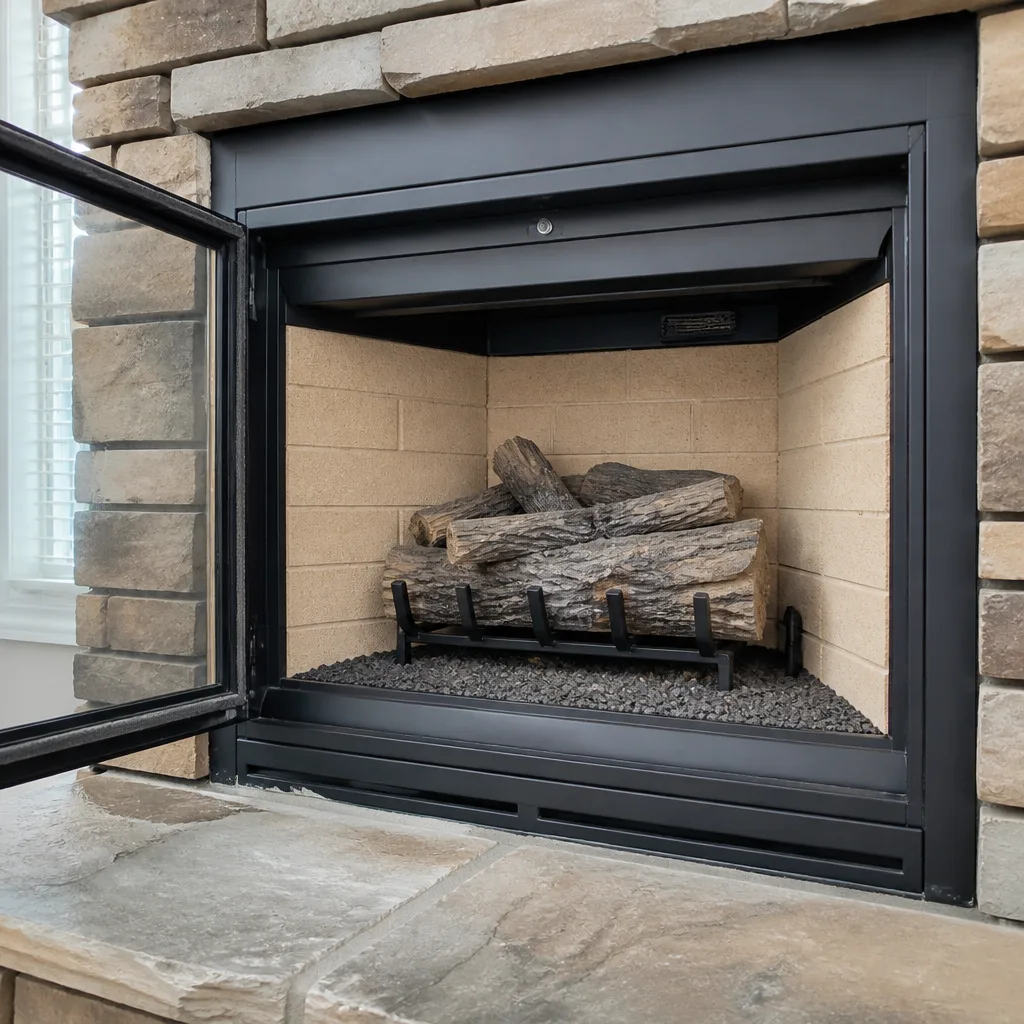 Gas fireplace service
Level 1 sweep and inspection to the NFPA 211 annual standard - flue, crown, cap, and flashing checked and photographed
Chimney sweep logs do not sweep chimneys. They loosen some creosote - which then falls where a brush and vacuum still have to collect it.
Chimney Cleaning Warning Signs: A Deltona Homeowner’s Reference Guide
Most chimney care advice you’ll find online was written for Vermont, not Florida. National guides describe cracked clay tiles split by hard frost, or creosote that sets up like rock through a long cold winter. Deltona doesn’t work that way. Here, damage develops quietly and from the other direction: warm, humid air moving in and out of a masonry chase, water soaking into brick and mortar instead of freezing inside it, and creosote that stays soft and gummy far longer than a cold-climate guide suggests. The warning signs still exist, but they look different in Deltona, and they show up where homeowners aren’t looking. This guide walks you through the signs we’ve learned to watch for in this climate, tells you which ones mean stop using the fireplace today, and shows you how to sort the urgent from the routine.
Quick Answer
Chimney cleaning warning signs in Deltona fall into three groups: moisture signs (white staining on the masonry, rust in the firebox, water marks on the ceiling), airflow signs (smoke spilling into the room, a musty or acrid smell, weak draft), and obstruction signs (debris falling when the damper opens, visible daylight through mortar joints). White efflorescence staining is the single most common Florida-specific warning sign and usually points to water moving through the masonry rather than a cleaning problem. Any sign in the obstruction group means stop using the fireplace until a professional inspects it.
Styles & brands we work with
- Sweep & inspection
- Caps & crowns
- Flue relining
- Masonry repair
- Gas fireplace service
Table of Contents
- Why chimney warning signs look different in Deltona’s climate
- White staining on brick: efflorescence and what it means
- Cracking on stucco chases and the creosote color clue
- Odor-based warning signs specific to Deltona homes
- Warning signs you can spot from inside without tools
- The three signs that mean stop using the chimney immediately
- How to triage a warning sign: this week, this year, or this weekend
- What a professional inspection actually checks
Why chimney warning signs look different in Deltona’s climate
Deltona sits in a warm, humid central Florida climate with a long rainy season and mild winters. That combination changes how a chimney fails. In cold climates, the main destructive force is freezing water expanding inside brick and mortar. Here, the main force is water staying liquid inside the masonry and moving through it slowly, along with the constant expansion and contraction of materials as the chimney heats up during a fire and cools down afterward.
Creosote behaves differently too. In cold climates, creosote in a chimney that isn’t cleaned tends to harden into a brittle, glassy layer that glazed third-degree creosote forms. In a warm, humid climate, and especially with a chimney that’s only fired up a few times a week through a short season, the creosote stays softer and stickier longer. It accumulates in a gummy layer that traps dust, soot, and moisture, and that layer can smell. National guides describe creosote by color and stage, and those categories still apply, but the progression is slower here and the smell arrives before the hardness does.
There’s also a seasonal pattern worth knowing. Deltona homeowners tend to light the fireplace for short evening burns during the cooler months, then leave the chimney unused through the wet summer. An unused flue in a humid climate is not a neutral state. Warm air rising slowly through a cool chimney, and humid air settling into a flue that has no fire in it, both encourage moisture to collect on interior surfaces. That’s why so many of the warning signs in a Deltona chimney show up in the summer, not the winter.
- Mild winters: less freeze damage, more slow water movement through masonry
- Long humid summers: moisture sits inside unused flues and drives efflorescence and rust
- Short burn season: creosote builds more slowly but stays softer and smellier
- Stucco exteriors: very common on central Florida chases, and cracks differently than brick
The practical upshot: a Deltona homeowner can’t rely on a cold-climate checklist. The signs below are the ones that actually show up here, in the order they tend to appear. When we look at a chimney in this part of Florida, we’re looking for the signs the climate leaves behind. If you want to know what a chimney sweep actually covers, that page explains the process step by step.
White staining on brick: efflorescence and what it means
White, chalky staining on your brick chimney chase is almost certainly efflorescence, and in Deltona’s humid climate it means one thing clearly: water is moving through your masonry and evaporating on the surface. Efflorescence forms when water dissolves salts within brick, mortar, or concrete and carries them to the surface, where the water evaporates and leaves them behind as a white, powdery crust. You can wipe efflorescence off, but if it returns, the water source is still active.
What most homeowners don’t realize is what’s happening behind that white stain. If water is passing through the brick chase, the same water is likely reaching the flue liner, and a liner that stays damp is a liner that cracks and spalls faster. That’s the efflorescence-to-liner connection that cold-climate guides don’t emphasize enough. In a cold climate, the concern about water in the masonry is freezing. In Deltona, the concern is long-term saturation of the liner that then shows up as hairline cracks and flaking.
Efflorescence patterns worth paying attention to:
- White staining that returns after it’s cleaned: an active water source, not an old stain
- Staining concentrated around the cap or at mortar joints: often a failing cap, a missing storm collar, or open mortar joints letting water in
- Staining heavier near the top third of the chase: water entering at the crown or cap and running down the interior
- Staining on the inside of the firebox walls: water reaching the interior, which is the serious version
Efflorescence by itself is not an emergency, but it’s a signal worth taking seriously. A professional inspection can trace where the water is coming from, check whether the liner has already been affected, and, if the flue needs repair, use HeatShield ceramic resurfacing or a DuraFlex liner system depending on the damage. Both are professional-grade materials we specify routinely, and both solve a water-damaged flue in a way that patching or brushing just cannot. We show you what we find, and nothing is recommended without evidence you can see.
Cracking on stucco chases and the creosote color clue
Many Deltona homes have stucco chimney chases rather than exposed brick, and a stucco chase cracks along different lines than a brick one. Brick chimneys typically fail along mortar joints, showing stepped, jagged cracks. Stucco fails as hairline cracks over a large, flat surface, along with blistering and hollow spots where the stucco has separated from the substrate. A hairline stucco crack is not automatically a structural problem, but on a chimney it becomes a water entry point, and once water is behind the stucco, the pattern often shows up inside the chimney rather than outside it.
The color and texture of your creosote is another clue worth knowing about. Creosote in a warm, humid chimney often stays soft and matte through the burn season rather than glazing over, and a soft, gummy layer that feels sticky to the touch after a fire is an early-stage buildup that hasn’t had time to harden. That doesn’t make it harmless. Soft creosote accumulates the same way hard creosote does, and the layer that traps soot and moisture is also the layer that can smell your whole house up through an unused season. When you do get a professional sweep, the technician can tell you what stage and texture they found, and that tells you whether you’re looking at normal seasonal buildup or a flue that’s been neglected.
Creosote textures to know:
- Soft, flaky, dusty: early buildup, easiest to sweep, most common in short-season burning
- Gummy and sticky: common in humid conditions and with banked, slow-burning fires, traps soot and moisture
- Hard and shiny: glazed creosote, the layer that needs specialized removal rather than a brush pass
If your stucco chase shows cracks around the cap or in flat planes, and the creosote inside has gone sticky, that combination points to water reaching the top of the flue. That’s a repair question, not just a cleaning question, and it’s the kind of thing we check before recommending anything. A chimney repair visit starts with a camera inspection, a photo report, and a written estimate.
Odor-based warning signs specific to Deltona homes
Smell is one of the most reliable warning signs in a Deltona home, and homeowners often dismiss it as normal. It isn’t always. There are three distinct chimney smells and they mean three different things.
The musty smell
A musty, damp-cellar smell drifting from the fireplace in an unused flue is moisture, not fire damage. It’s the smell of a humid summer moving through a cool chimney and collecting on interior surfaces. It’s the same smell you’d get from any damp, enclosed masonry space, and it tells you that the flue is staying wet. Musty smell plus efflorescence on the exterior is a strong pair: water is moving through the masonry and staying inside the flue.
The acrid smell
An acrid, sharp, slightly ammonia-like smell is a different animal, and it usually means something organic is in the chimney: insects, nesting materials, or small animals that got through an uncapped or open flue. In central Florida, a chimney that sits unused through the warm months is a natural place for insects and small birds to take up residence. A cap solves the entry problem, which is why we fit Gelco caps on flues that don’t have one. The acrid smell is the sign that something is in there now, and the debris needs to come out before you burn again.
The difference that matters most
The musty and acrid smells are annoying but not dangerous by themselves. The one that should alarm you is a smell that suggests incomplete combustion or exhaust leaking into the living space. If you smell exhaust inside the room during or after a fire, or if you have a gas or wood fireplace and the room smells of combustion gases rather than woodsmoke, treat it as a safety issue. Carbon monoxide is odorless, so a smell isn’t a reliable CO detector, but combustion gas odors alongside headaches, drowsiness, or unusual clamminess in the room are a signal to stop burning and call for an inspection. This isn’t a scare tactic. It’s the one odor category in a chimney where “wait until the annual cleaning” isn’t the right answer.
If you ever smell combustion gas in the room, that’s a stop-and-inspect situation. If you smell must or insects, that’s a schedule-soon situation. Both are worth a call, and both look the same from the couch until you sort them out.
Warning signs you can spot from inside without tools
You don’t need a camera or a mirror to catch most of the warning signs we see. Three of them show up inside the room, and any homeowner can check for them on a quiet evening.
Rust streaking in the firebox
Rust or orange-brown streaks on the metal firebox components, the damper frame, or the firebox door mean metal parts are getting wet. In a Deltona chimney, rust in the firebox usually points to water entering the flue from the top or through the masonry, or to condensation from a long damp off-season. Rust on the damper frame is worth showing a professional because the damper is part of your draft control, and a warped or rusted damper that doesn’t seat properly affects smoke patterns.
Smoke spillage at the damper during use
Smoke rolling out of the firebox and into the room when the fire is burning, especially on first light-up, is one of the most important signs you’ll ever see inside your home. Some of it can be normal for the first minute or two as the flue warms up, but if smoke spills into the room after the draft should have established, it means the flue is partially blocked, the liner is compromised, or the chimney is undersized or restricted. This is a stop-and-inspect sign.
Water marks on the ceiling above the fireplace
Brown or yellow water staining on the ceiling, or on the wall directly above the fireplace, is a sign of water finding its way past the chimney cap or flashing and tracking into the structure. It can be caused by a rusted or loose cap, failed flashing at the roof, or a leaking crown. Whatever is letting water in, the ceiling stain is a symptom, and the fix is usually at the top of the chimney. A gelco cap and proper flashing work solve most of what causes ceiling stains, and they’re part of the repair scope we tackle on a Chimney Sweep Deltona visit.
If you can answer yes to any of the above, even a small one, it’s worth an inspection. The best home inspection for a chimney is the one you do with a camera inside the flue. That’s the difference between an educated guess and an actual answer.
The three signs that mean stop using the chimney immediately
Most warning signs are “schedule an inspection soon.” These three are “stop burning today.” They’re rare, but they’re the ones where continuing to burn a fire creates a real risk to the house and the people in it. If you have any of these, close the damper, don’t light another fire, and call for a professional inspection.
- Visible daylight through the mortar joints. If you can see daylight, or the outline of daylight, through the mortar joints of a brick chase or the interior of a firebox, the chimney is open to the outside air and to water. A chimney with open joints can’t hold a draft reliably, and it’s a path for water and exhaust where neither should go. This is a repair, not a cleaning, and no fire should be lit until it’s addressed.
- Significant smoke entering the room on first use. A little puff of smoke when a cold flue lights is common. A room filling with smoke on the first burn of the season, and staying that way, is not. It usually means a blockage, a damaged liner, or a serious draft failure. Don’t “burn it out” and don’t assume it will clear. Have it inspected before the next fire.
- Debris falling from the flue when the damper is opened. A small amount of soot dust is normal. Chunks of creosote, masonry, or nesting material falling into the firebox when you open the damper is a serious obstruction sign. Creosote flakes and bird nests are both real fire hazards, and a flue blocked enough to drop material is a flue that isn’t venting properly.
A fourth situational rule: if a fire in the fireplace produces a roaring, crackling sound unlike normal burning, or if the chimney itself gets very hot to the touch on the outside, stop using it and call for an inspection. Chimney fires can burn inside the flue without the homeowner realizing it, and the visible signs afterward, including creosote that has turned to a puffy honeycomb texture, are the ones a sweep will eventually find. We don’t say this to alarm you. We say it because a professional inspection catches the problem before the next fire does.
We answer 24/7. Fast dispatch from 7am to 7pm. If you’ve got any of these signs and you’re not sure whether to stop burning, call us and we’ll tell you how to book an inspection.
How to triage a warning sign: this week, this year, or this weekend
Not every warning sign is urgent, and treating them all as urgent helps nobody. Here’s how we sort the signs above, in plain terms, so you can decide what to do before you pick up the phone.
Stop the fire and call this week
- Daylight through mortar joints anywhere on the chimney
- Smoke filling the room after the flue has warmed up
- Debris falling into the firebox when the damper opens
- Combustion gas smell in the living space during a fire
- Water actively coming down the inside of the firebox
Schedule this year, before the next burn season
- Efflorescence on the exterior that returns after cleaning
- Rust streaking on the firebox or damper frame
- Water marks on the ceiling above the fireplace
- A musty smell from the fireplace in the off-season
- Sticky, gummy, or visibly thick creosote on the flue walls
- A chimney that’s overdue for its annual sweep
Handle it yourself this weekend
- Wipe down efflorescence to see if it returns (clean it once, note the date, and if it comes back, that’s the signal)
- Clear leaves and debris from around the cap and the flue opening
- Check that the damper opens and closes fully and seats cleanly
- Check that the cap is present, intact, and covers the flue opening
That third list is small by design. Very little of what we find in a Deltona chimney is fixable from the outside, because what matters is what’s happening inside the flue. The one item homeowners can genuinely fix without a professional is keeping the cap clear, and the one item to avoid is anything involving the flue interior. Don’t run a brush on a tangled mess yourself. A stuck brush or a dislodged liner section is a bigger problem than the one you started with. Our technicians have up to 9 years of experience, and the sweep and inspection that follow a warning sign are where that experience earns its keep.
What a professional inspection actually checks
A chimney inspection is not a sales visit with a clipboard. It’s a physical look at every part of the system that affects fire safety and water intrusion, and it ends with findings you can see for yourself. Here’s what we check on a Deltona home, in order.
- Exterior masonry or stucco. We look at the chase from the ground and the roof for efflorescence, cracks, spalling, and any joint letting water in. Stucco chases get a close look at the cap and the flat planes.
- Crown and cap. The crown is the sloped concrete or mortar top that sheds water off the chimney. A cracked crown is one of the most common ways water enters a Deltona chimney, and a cap, whether a gelco cap or a simple screened cap, is what keeps rain, animals, and debris out of the flue.
- Flashing at the roof line. Flashing is where most water-related chimney problems start. Rusted or failed flashing shows up as ceiling stains inside the home.
- Firebox and damper. Rust, cracks in the firebox walls, and a damper that doesn’t close fully all get noted, because they affect draft and safety.
- Flue liner, with a camera. The camera is the part that turns guesswork into evidence. We look at the liner all the way up, note cracks, spalling, gaps at the joints, and creosote buildup, and we show you the images. This is where a HeatShield resurfacing or a DuraFlex liner decision actually gets made, based on what the camera shows, not on what someone assumes.
- Creosote level and texture. We note the stage and texture of the buildup, which tells you how urgent a sweep is and whether a standard brush pass is enough or a specialized removal is needed.
Inspection findings come with photos and a written estimate, and nothing is recommended without the evidence attached. That’s the whole point of a camera inspection and a photo report: you shouldn’t have to take anyone’s word for a liner repair. You should be able to look at the images and understand why the work is being recommended. When something can safely wait, we say so. When you need a repair, we tell you the material we’re recommending, whether that’s a DuraFlex liner, a HeatShield ceramic resurfacing, a Famco component, or a Copperfield cap, and why that one fits the damage we found. Professional-grade materials, residential pricing, and a written scope you can check.
Common Mistakes to Avoid
- Assuming white staining is cosmetic. Efflorescence gets wiped away and forgotten, but in Deltona’s climate it’s a water sign. If it comes back, don’t keep wiping it. Find the source.
- Burning “to clear out” a smoky chimney. A fire in a blocked flue doesn’t clear itself. It pushes combustion products back into the room. Stop burning and get it inspected.
- Using a general handyman for liner work. Liner and resurfacing jobs need a trained applicator and a system rated for the flue. HeatShield resurfacing, for example, is applied by trained installers, and DuraFlex liner systems are sized and specified for the flue. A patched flue isn’t a repaired flue.
- Ignoring the musty smell for a whole summer. That smell is moisture inside an unused flue. Left through the wet season, moisture works on the liner while no one is looking. Address it before the next burn season, not during it.
- Trusting a cold-climate checklist. If a guide tells you to look for frost damage or cracked clay from freezing, that’s not your chimney’s main risk in Deltona. Look for efflorescence, stucco cracking, rust, and odor first.
- Skipping the annual sweep because “we only burn a few times.” Light use still leaves a layer of creosote that traps moisture and soot and eventually glazes. An annual chimney sweep is the check that keeps a light-use chimney from becoming a repair.
- Letting an uncapped flue sit open. An open flue is an invitation to rain, insects, and small birds. A proper cap is one of the cheapest ways to prevent three of the signs in this guide at once.
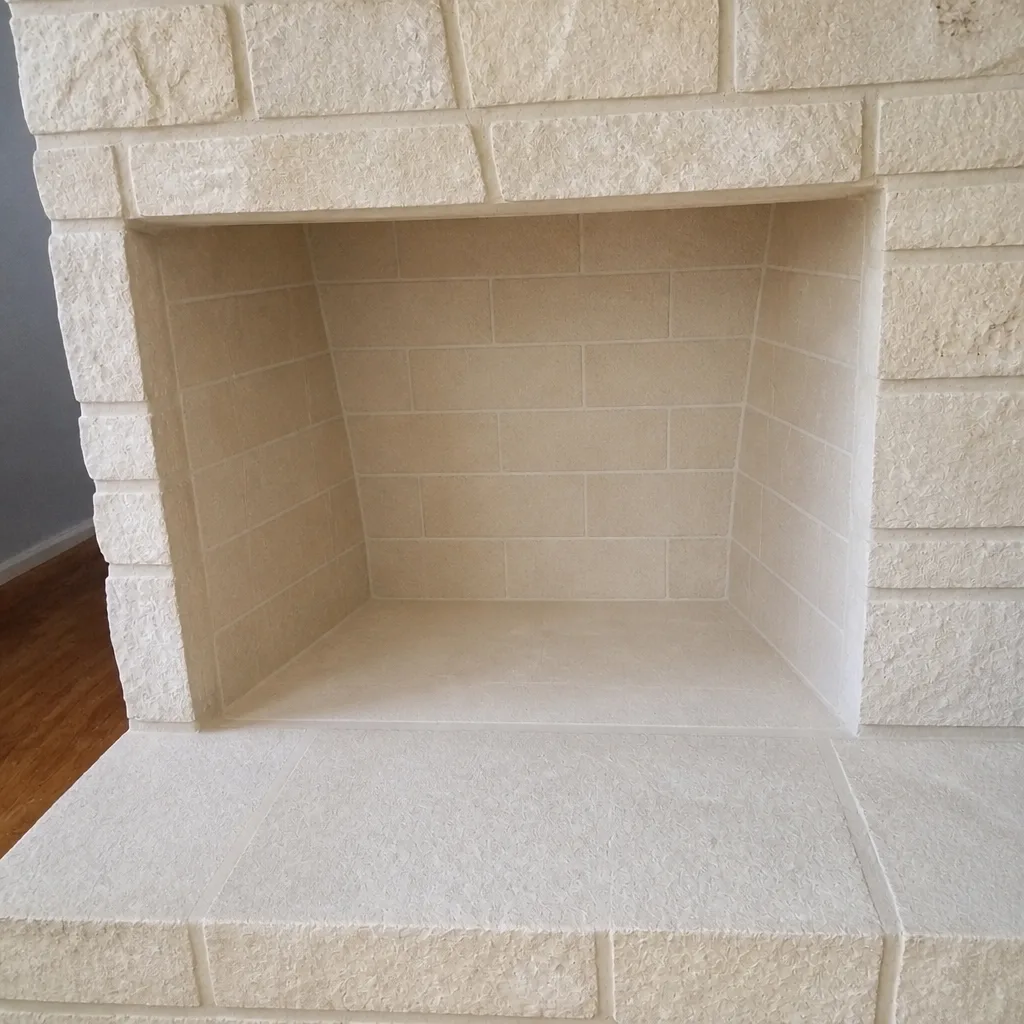
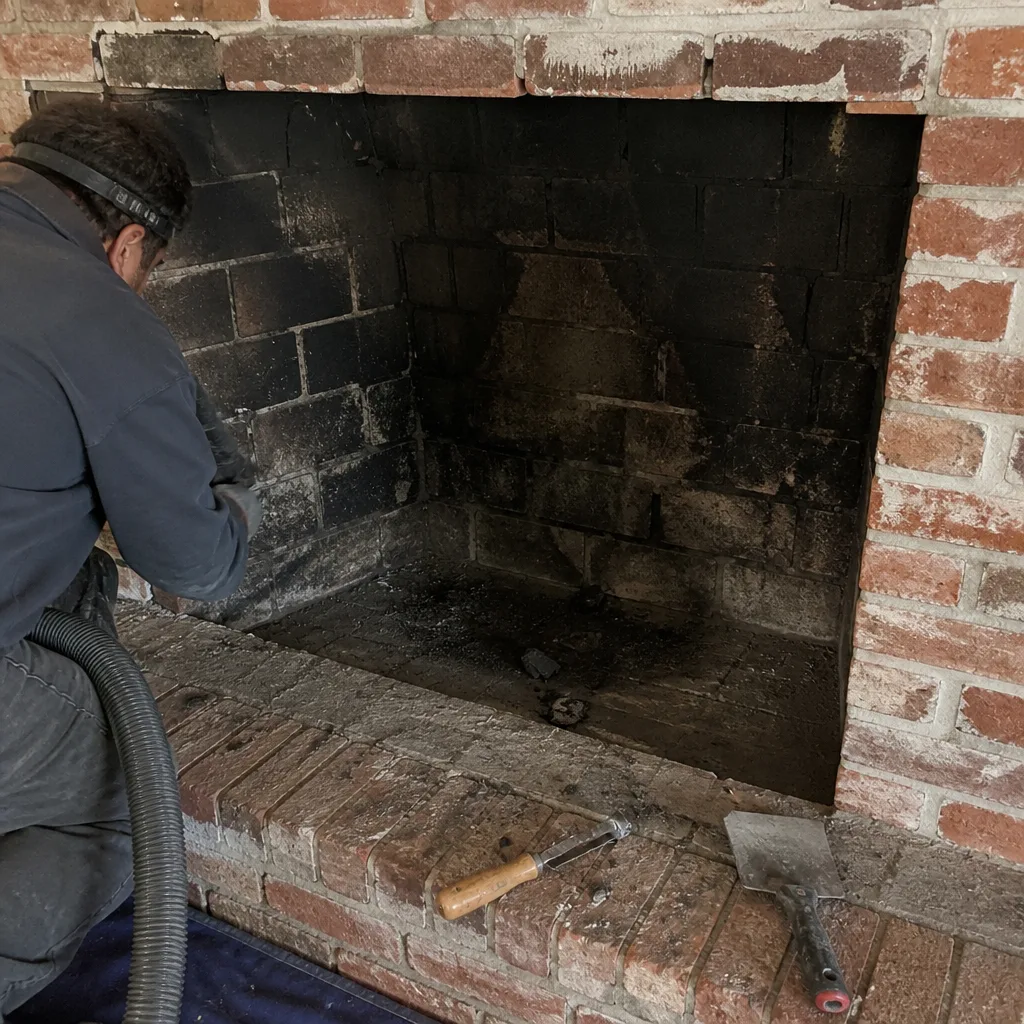
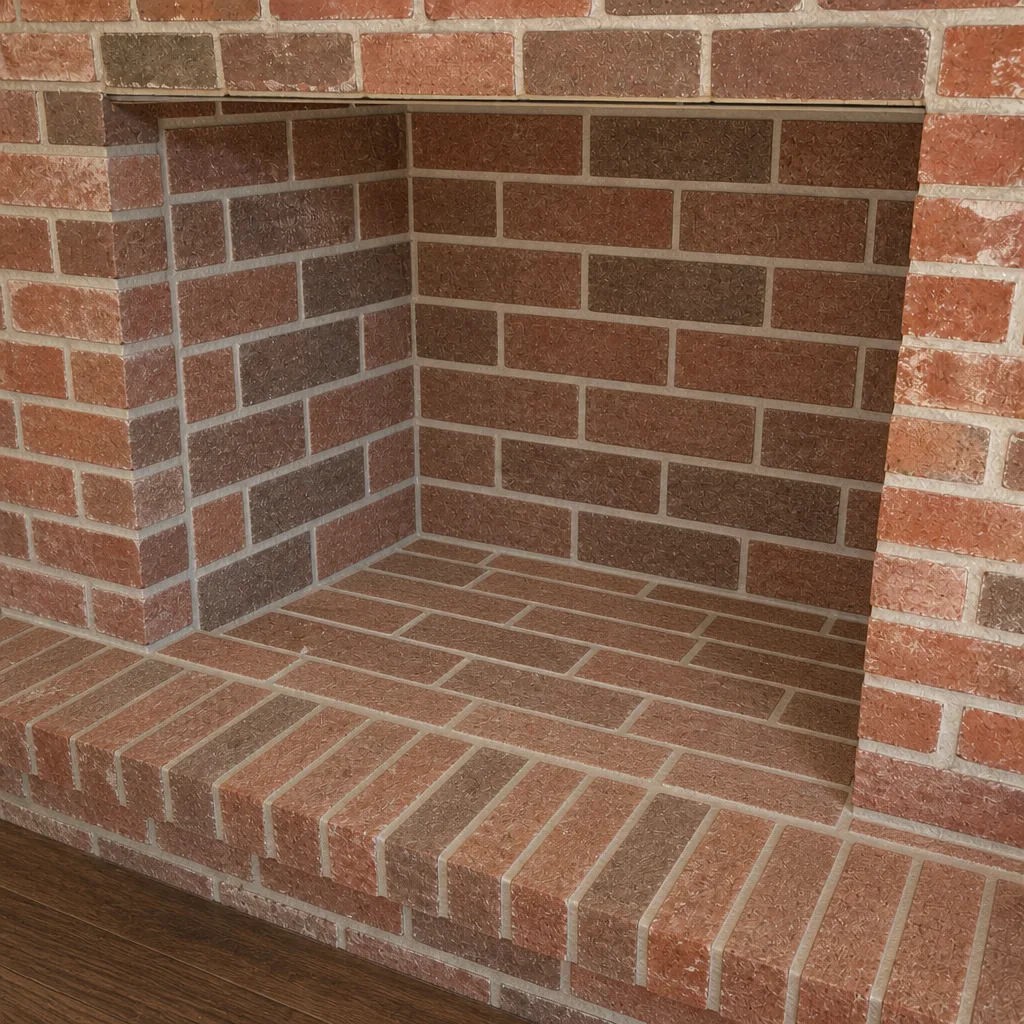
See the difference
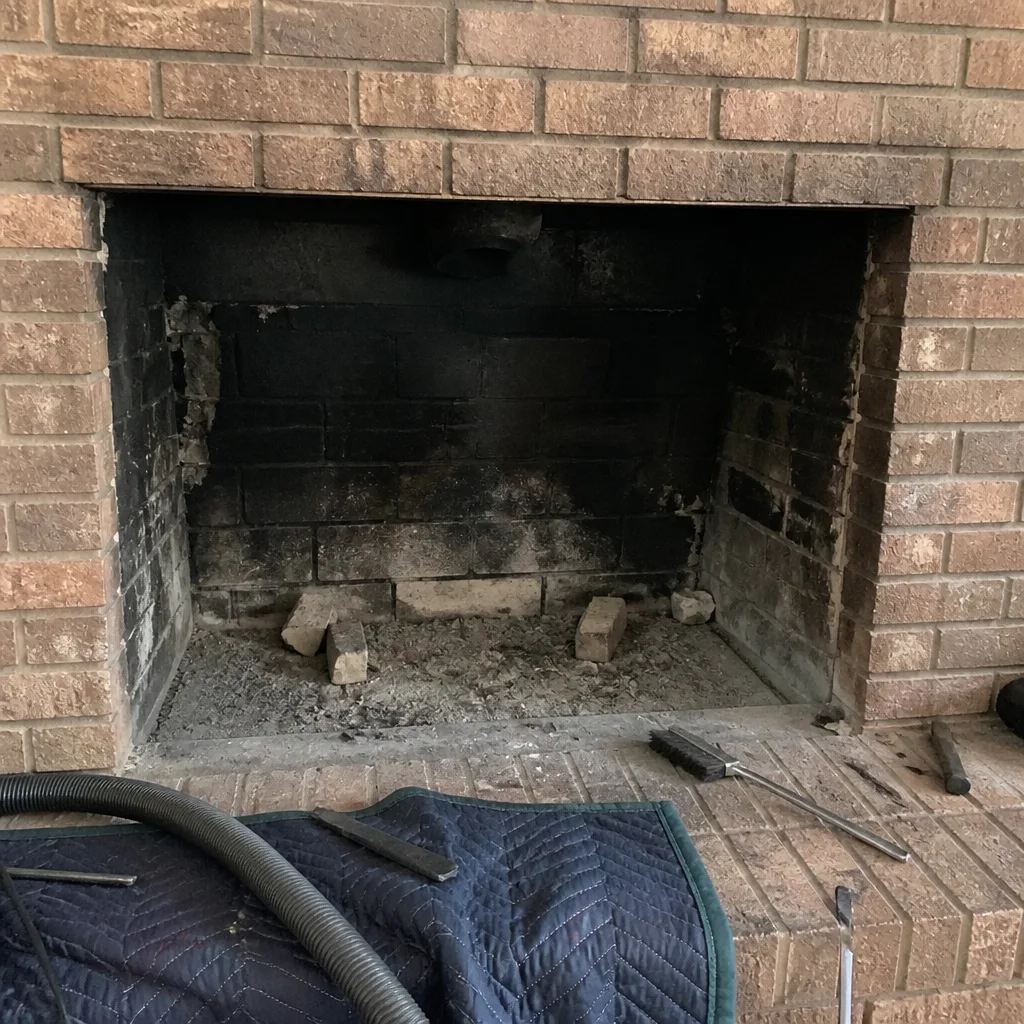 Before
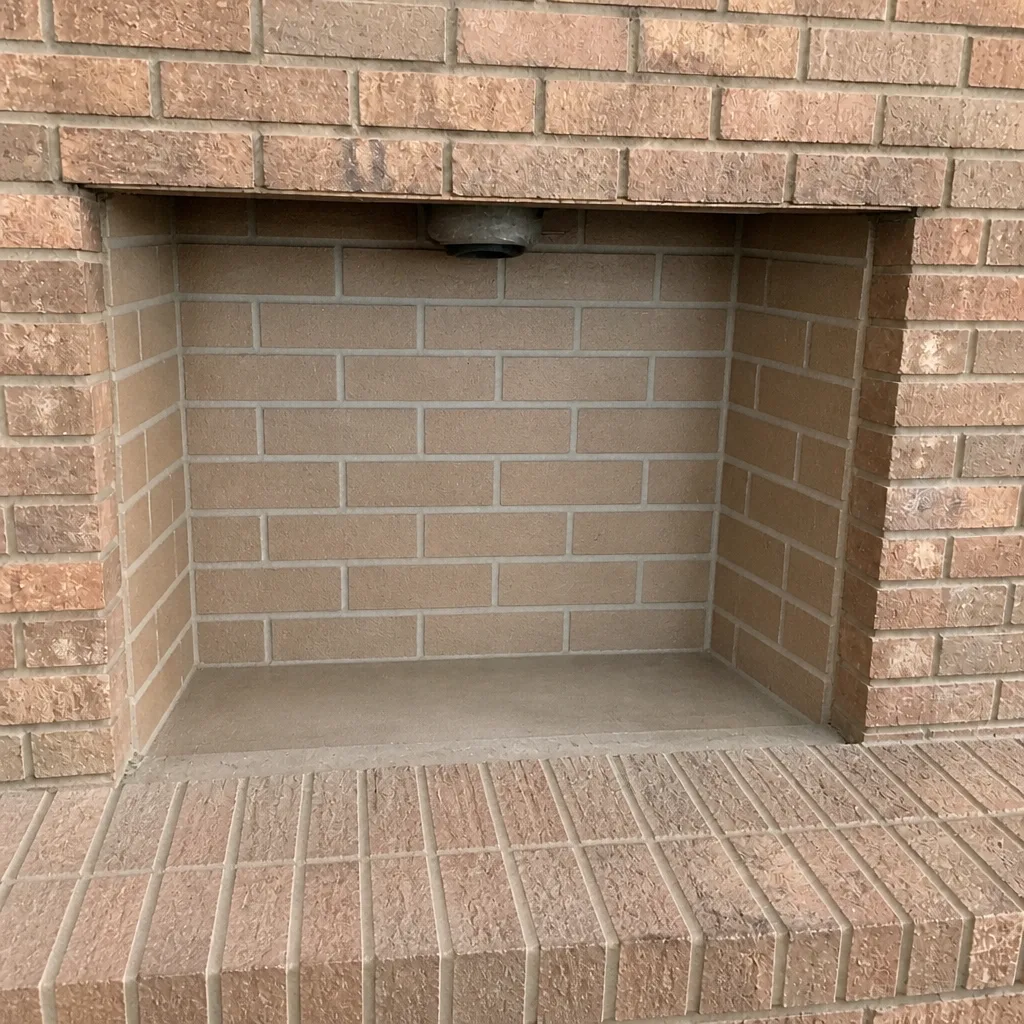 After
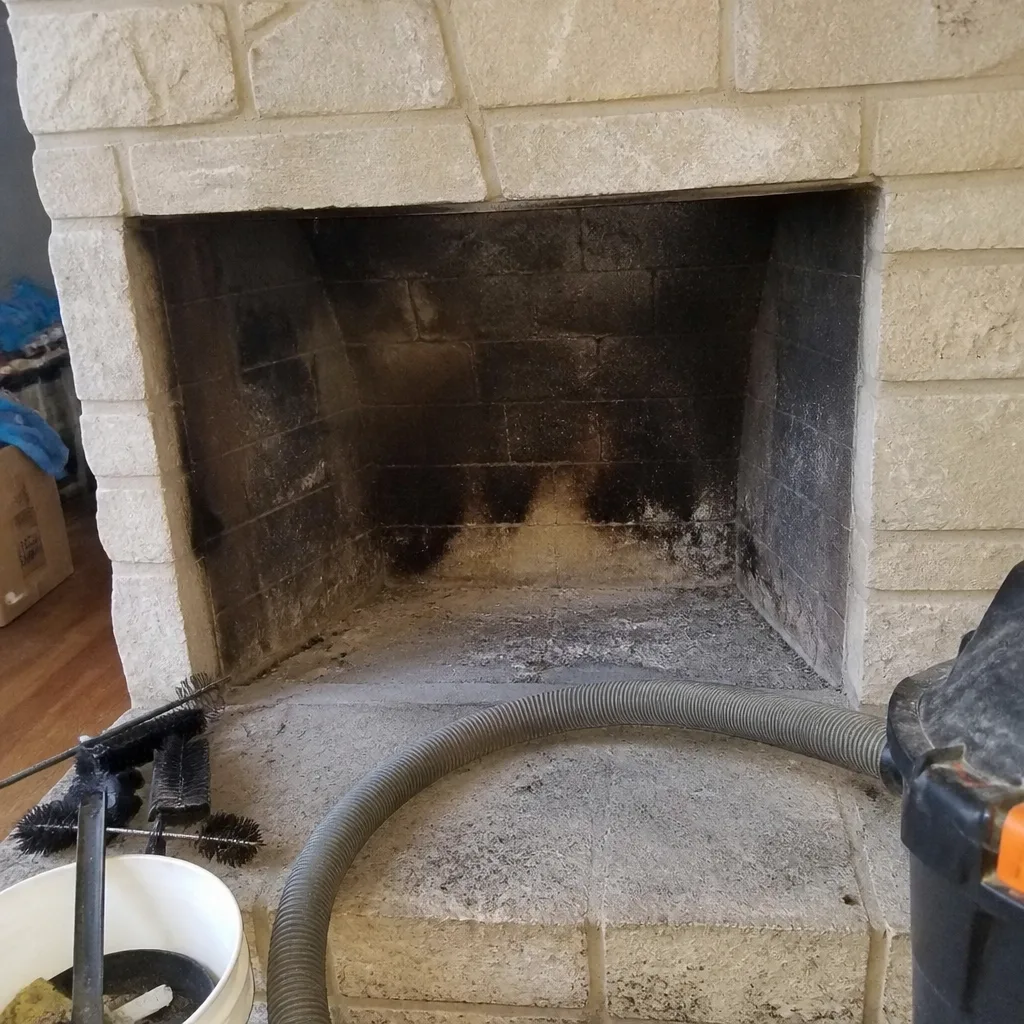 Before
 After
 Before
 After
When to Call a Professional
Call when you’ve seen any of the stop-use signs above, but also call when something is just off and you can’t name it: a smell you can’t place, a stain that came back, smoke that didn’t used to happen, or a flue that hasn’t been looked at in a few years. Chimney Sweep Deltona offers free estimates in Deltona, and we bring a camera and a written estimate to every inspection. Call (888) 458-8065. We answer 24/7. Fast dispatch from 7am to 7pm, Sunday through Friday. If you’ve been putting off a sweep because nothing looked wrong from the couch, that’s the call we want. The warning signs in this guide are quiet enough that a quick look with a camera is the only way to know for sure.
Frequently Asked Questions
The first signs in Deltona are usually moisture and smell, not fire damage: white efflorescence on the chase, rust in the firebox, a musty smell in the off-season, and a soft or gummy creosote layer that traps soot. Smoke spilling into the room or debris falling when the damper opens means the problem has moved past “needs cleaning.” Call (888) 458-8065 for an inspection before you light the next fire.
No. Efflorescence means water is moving through the masonry, but the liner may still be sound. A camera inspection tells you whether the liner has been affected. If it has, a HeatShield ceramic resurfacing can extend the life of a liner that’s damaged but not failed, and a DuraFlex liner system is the option when the flue needs full replacement. The inspection findings decide that, not the stain alone.
Once a year is the standard for a wood-burning fireplace, whether you burn heavily or lightly. In Deltona’s climate, the annual visit also catches moisture and stucco issues that a cold-climate sweep might miss. If you burn often or notice a sticky creosote layer, a mid-season check is worth considering. Call (888) 458-8065 to book a sweep.
It means moisture is collecting in an unused flue, which is common in Deltona’s humid summers. Musty smell combined with efflorescence on the exterior is a strong sign that water is moving through the chimney and staying inside the flue. It’s worth an inspection before the next burn season, because damp liners crack and spall. Call (888) 458-8065 for a free estimate.
Only a few. You can clean off efflorescence once and see if it returns, clear leaves around the cap, and check that the damper seats fully. Anything inside the flue, any liner concern, and any smoke or debris problem needs a professional. Don’t run a brush or a tool down the flue yourself. Call (888) 458-8065 and we’ll tell you how to book an inspection.
A hairline stucco crack isn’t automatically structural, but on a chimney it’s a water entry point, and water behind stucco is a job for a professional. If you also have efflorescence, rust in the firebox, or ceiling stains, treat the cracks as part of a larger moisture problem. A camera inspection and a written estimate settle what’s actually happening. Call (888) 458-8065 for a free estimate.
The Bottom Line
The warning signs that matter most in a Deltona chimney are the quiet ones: efflorescence that keeps returning, rust in the firebox, ceiling stains, a musty smell in an unused flue, and stucco cracks along a chase. None of them scream “emergency,” but each one points to water and moisture damage that a cold-climate guide wouldn’t warn you about. The three that do mean stop burning right now are daylight through mortar joints, smoke filling the room after the flue warms, and debris falling from the flue when the damper opens. Everything else sorts into a schedule-soon list and a small homeowner list. When you’re not sure which list you’re on, a camera inspection and a photo report answer it. Safe to burn is the goal, and it starts with knowing what your chimney is telling you.
Call (888) 458-8065 for a free estimate. We answer 24/7. Fast dispatch from 7am to 7pm, Sunday through Friday.
Written by the team at Chimney Sweep Deltona.