
Last updated November 15, 2026
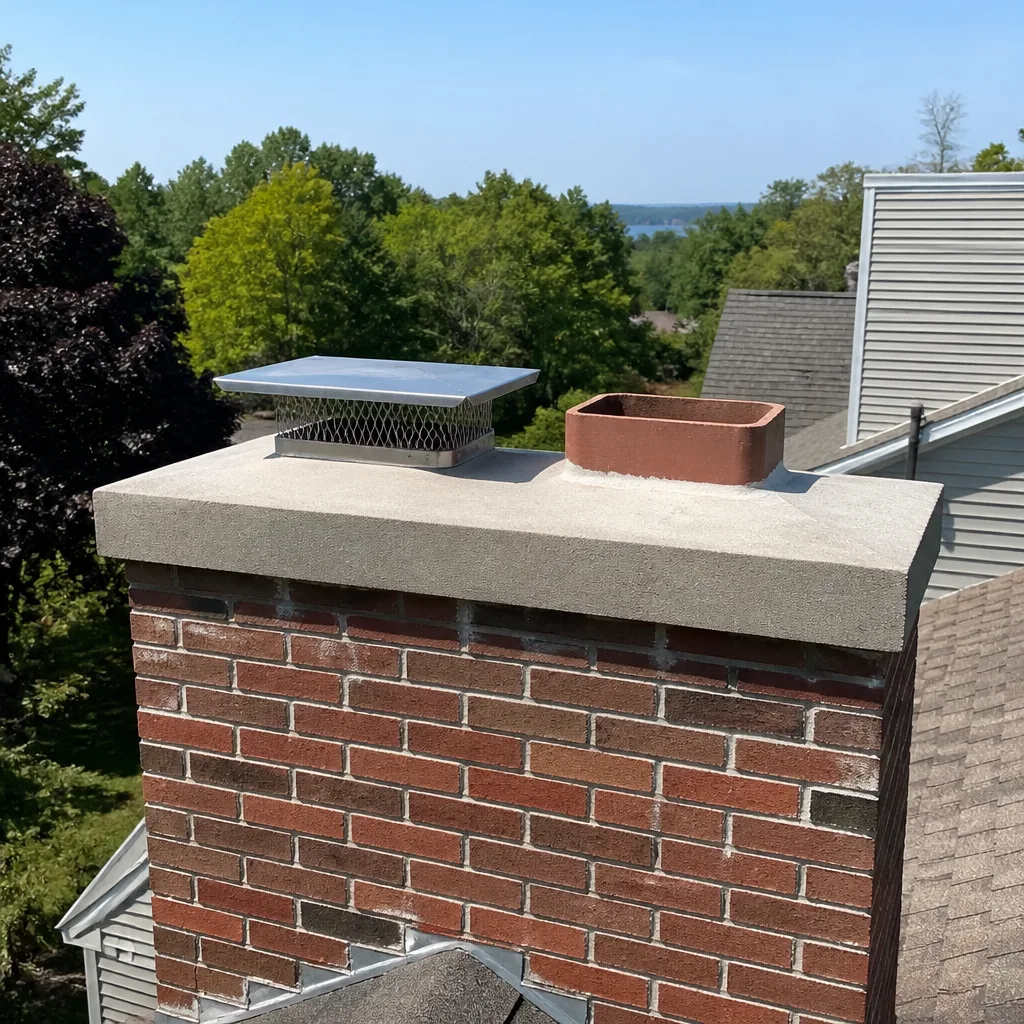 Sweep & inspection
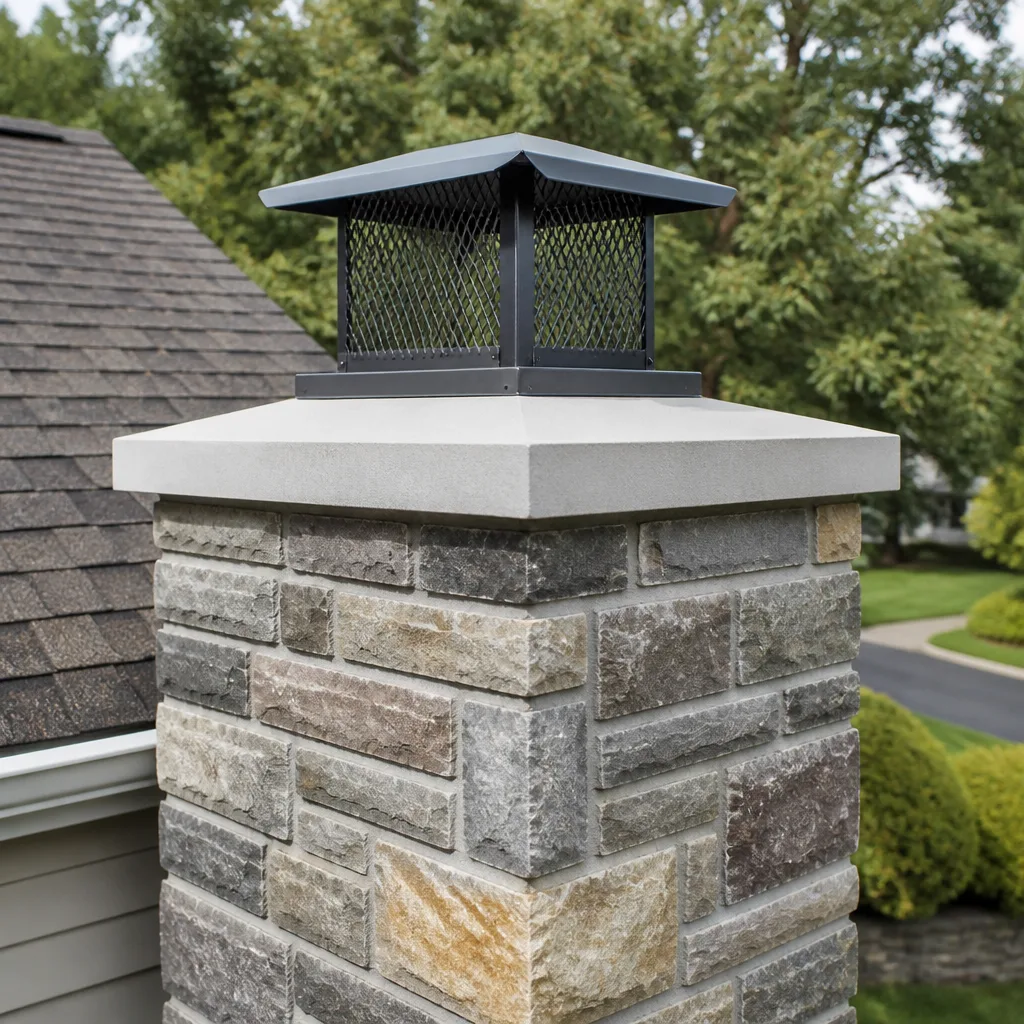 Caps & crowns
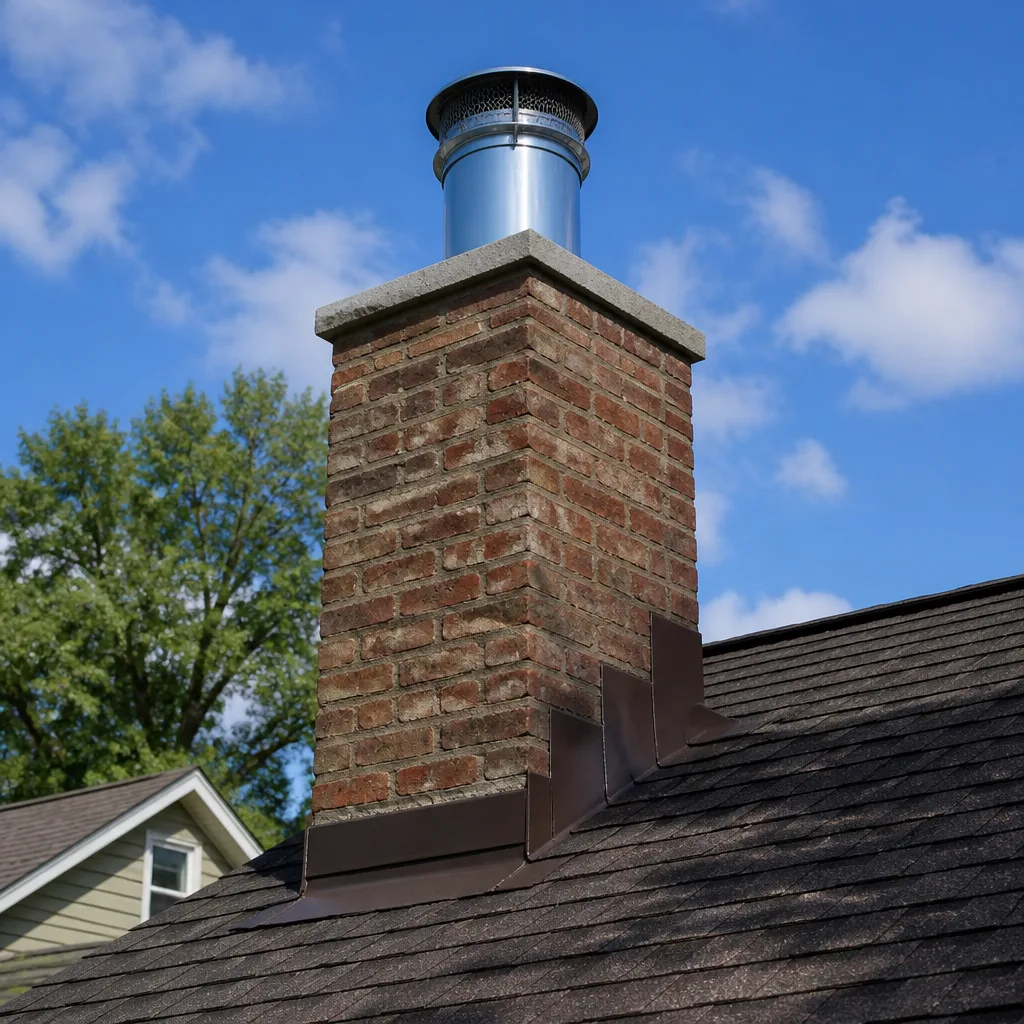 Flue relining
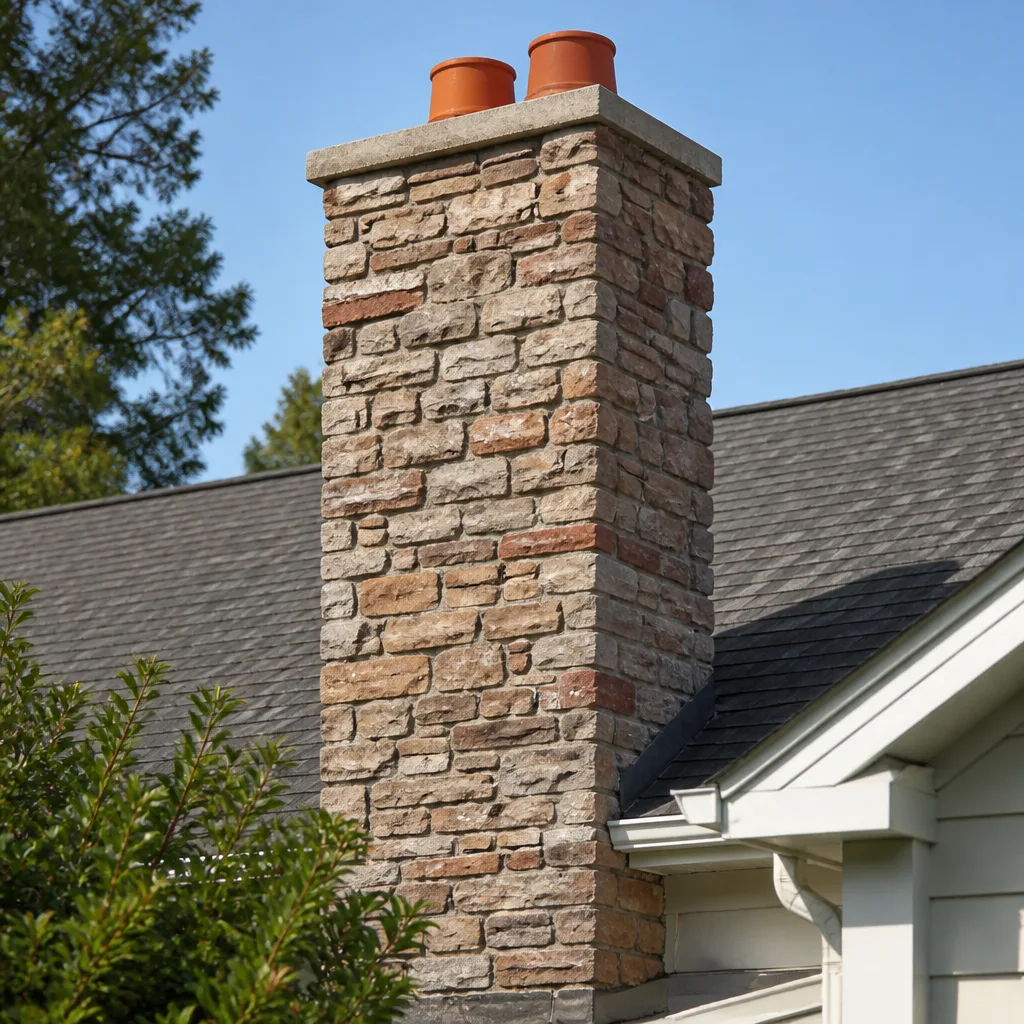 Masonry repair
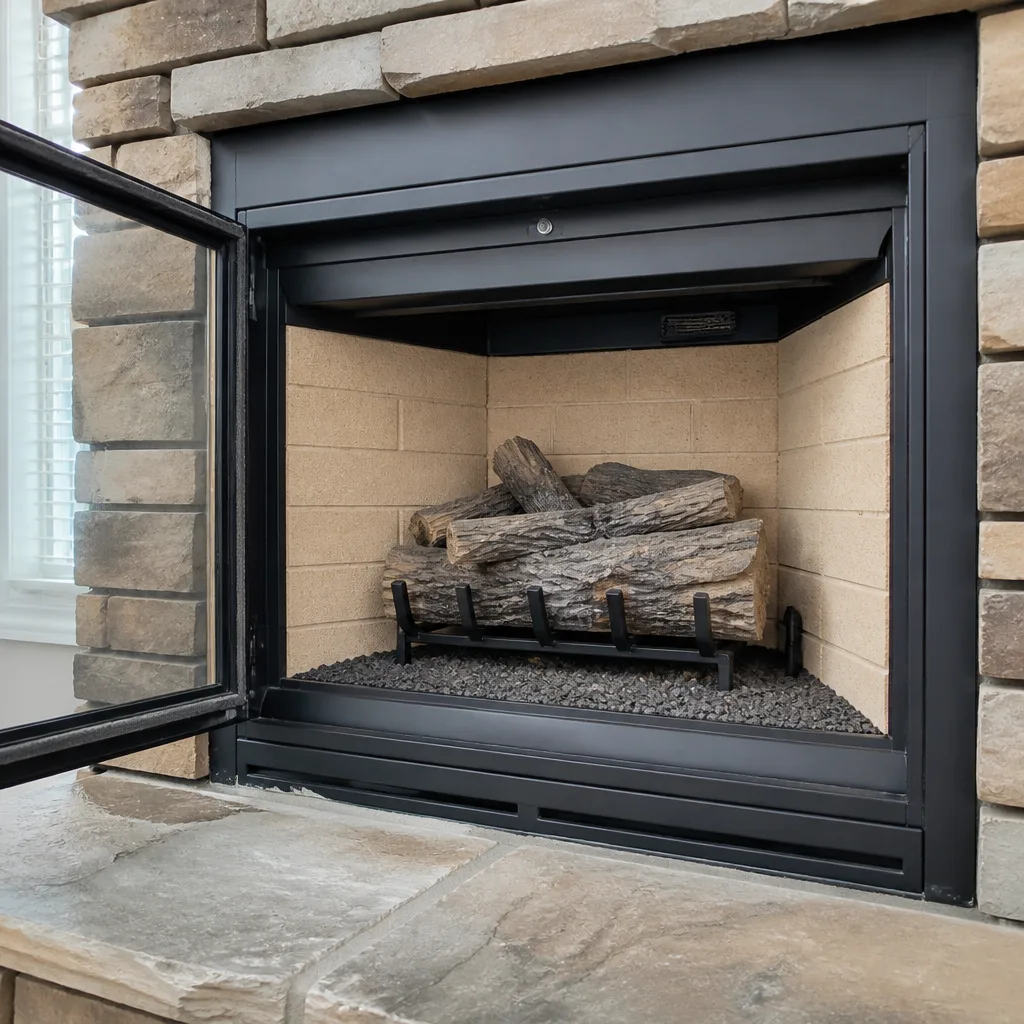 Gas fireplace service
Level 1 sweep and inspection to the NFPA 211 annual standard - flue, crown, cap, and flashing checked and photographed
Chimney sweep logs do not sweep chimneys. They loosen some creosote - which then falls where a brush and vacuum still have to collect it.
The Complete Guide to Chimney Cleaning in Deltona
Most Deltona homeowners light their fireplace a handful of times a year. A few cool evenings in January, maybe a holiday fire in December, and that’s it. Conventional wisdom says a low-use chimney needs less attention, and that’s where the logic breaks down. In our experience, infrequent burning in a humid Florida climate creates a different kind of problem than the steady, cold-weather burning you read about in most national guides. Thin deposits of creosote sit in the flue for months, pulling moisture out of the air between fires, and that slow damp cycle can do more damage to a clay tile liner than a hot, busy chimney up north. This guide explains what chimney cleaning really involves in Deltona, what a thorough sweep looks like step by step, and how to tell whether you’re being shown what’s actually there.
Quick Answer
Chimney cleaning in Deltona means removing creosote, soot and moisture-trapping deposits from the flue, then verifying the liner’s condition with a camera before calling the job done. Homes here often burn lightly but sit in high humidity, so the priority is catching thin Stage 1 creosote before it holds damp against the liner. A proper cleaning includes a visual inspection, the right brush for your flue type, and photo evidence of what was found.
Styles & brands we work with
- Sweep & inspection
- Caps & crowns
- Flue relining
- Masonry repair
- Gas fireplace service
Table of Contents
- Why Chimney Cleaning in Deltona Isn’t a Generic Task
- How Low-Use Burning and Humidity Change the Creosote Story
- The Cleaning Sequence a Thorough Sweep Follows
- Matching Brushes and Tools to Your Flue Liner
- Sandy Soil, Slab Foundations and What Settling Does to a Chimney
- Level 1 vs. Level 2 Inspections During a Cleaning
- What Chimney Cleaning Costs in Deltona
- How Often You Actually Need a Sweep Here
Why Chimney Cleaning in Deltona Isn’t a Generic Task
National chimney articles are written for places with long, hard winters and months of daily fires. Deltona doesn’t work that way. Our burning season is short and broken up, the air stays humid most of the year, and the housing stock is mostly slab-on-grade construction built through the 1980s and 1990s. Each of those facts changes what a cleaning needs to accomplish. A chimney in Deltona is less likely to be choked with heavy soot and more likely to be sitting with light, gummy deposits that have been quietly absorbing moisture since the last fire went out.
That’s the first thing we explain to homeowners who call us after reading a cold-climate guide online. The advice isn’t wrong, it’s just written for a different chimney. Here, we’re less worried about a thick blanket of creosote catching fire and more worried about a liner that’s been damp for months and is starting to spall or crack. The visible symptoms differ too: instead of heavy smoke roll-back, you might notice a musty smell in summer, crumbling bits on the smoke shelf, or staining on the exterior masonry that wasn’t there a year ago.
The practical upshot is that cleaning frequency and the depth of inspection both need to be tuned to how this region’s chimneys actually live. A Deltona chimney can look clean from the firebox and still have a real moisture problem up the flue. That’s the whole reason we put a camera in the flue as part of a standard cleaning. What you can see from the hearth rarely tells the full story, and guessing is how small issues become expensive ones. For readers who want the bigger picture on local service, see our overview of Chimney Sweep Deltona.
How Low-Use Burning and Humidity Change the Creosote Story
Creosote forms in stages, and the stage matters more than the volume. Stage 1 is the light, flaky, soot-like deposit that forms with every fire. Stage 2 is a denser, stickier layer. Stage 3 is the glazed, tar-like coating that’s genuinely hard to remove and the one most associated with chimney fires. In cold climates, frequent fires push chimneys toward Stage 2 and Stage 3 quickly. In Deltona, many chimneys sit at Stage 1 for years, and that sounds like good news. It isn’t necessarily, because Stage 1 in a humid climate behaves differently.
Those light deposits are porous. Between fires, they pull moisture out of the air, hold it against the flue wall, and release it slowly. Clay tile liners are especially vulnerable: they’re porous themselves, and repeated damp-and-dry cycles cause the glaze on the tile to break down and the tile to spall. Over time that leads to cracks, and cracks in a flue liner are a carbon monoxide pathway into the home. We’ve seen liners in Deltona with light creosote but real tile damage, which is exactly the combination a quick look-and-sweep wouldn’t catch.
Here’s what actually happens on a low-use chimney in this climate, in our experience:
- Deposits stay thin but damp. There’s rarely a dramatic creosote problem to point at, so problems hide.
- The liner takes the moisture hit. Clay tile especially suffers from repeated wetting and drying.
- Cap and crown issues matter more. A failed cap or cracked crown lets rain straight into the flue, compounding the humidity problem.
- Draft issues show up in the off-season. A damp flue is a cold flue, and a cold flue is a smoky one on the first fire of the year.
This is why we treat a cleaning here as both a cleaning and a moisture-damage check. It’s why a chimney sweep visit in Deltona looks a little different from what the national guides describe.
The Cleaning Sequence a Thorough Sweep Follows
A proper cleaning is a sequence, not a brushing. The order matters because each step informs the next: what the pre-inspection finds sets up how the brush is chosen and how much time the flue gets. Here’s the sequence we follow, and the one you should expect from any qualified sweep in Deltona.
- Firebox and interior setup. Before anything goes up the flue, we lay drop cloths, seal the firebox opening, and run a vacuum with a HEPA filter to keep soot out of the room. A cleaning that leaves dust on your furniture isn’t finished, no matter how clean the flue is.
- Visual pre-inspection of the firebox, damper and smoke chamber. This is where we look for obvious damage, heavy deposits, animal nests, and the condition of the damper plate. Any of these can change the plan before a single brush goes up.
- Roof-level inspection and cap check. We look at the crown, the cap, the flashing and the masonry from above. A missing or damaged cap is one of the most common reasons a Deltona flue is damp, so this step is not optional.
- Brush selection based on the flue liner type. This is where flues get damaged. We’ll cover the specifics in the next section, but the brush must match the liner: a stiff-bristle brush that’s fine on a stainless liner will abrade a clay tile liner.
- Top-down brushing with rotary or hand tools as appropriate. Debris falls down the flue and is collected at the firebox. The flue is brushed from the roof so we can watch the process, and the deposit type guides how much rotary action is needed.
- Bottom cleanup and smoke shelf clearing. The smoke shelf is a flat ledge inside the chimney that collects soot and debris. It gets cleared, because a loaded smoke shelf causes draft problems.
- Post-sweep camera verification. A video camera is run up the flue to confirm the liner is clean and to document any cracks, gaps or efflorescence we found. This is what we mean by “we show you what we find” – you see the same footage we do, before any repair is discussed.
That last step is the one most people don’t know to ask for. Without a camera verification, you can’t confirm what’s actually been cleaned or what condition the liner is in. If a sweep offers to skip it, that’s a red flag.
Matching Brushes and Tools to Your Flue Liner
The single most common mistake in chimney cleaning isn’t poor technique, it’s using the wrong brush. A brush that’s right for one liner type damages another, and once a clay tile liner is abraded or cracked, there’s no brushing your way out of it. Matching the brush and the tool to the liner is the difference between a cleaning and a repair bill.
Here’s how the tooling should map to the liner type in a Deltona home:
- Clay tile liner (most common in this area’s older homes). Requires a polypropylene brush with the correct diameter for the flue. Too large and it wears the tile joints; too small and it doesn’t touch the walls. Rotary cleaning systems get used carefully with the correct head, because the wrong head on clay tile will scar the glaze.
- Stainless steel flexible liner. A slightly more aggressive brush or a rotary head matched to the liner diameter works well, because stainless is far tougher than clay. We install DuraFlex liner systems for exactly this reason: when the original clay liner is too damaged to clean safely or re-line, a flexible stainless liner restores a clean, gas-tight flue surface.
- Cast-in-place or resurfaced liner. This is where material knowledge really matters. If your flue has been resurfaced with a ceramic product like HeatShield, the flue walls are no longer bare clay and the brush has to be selected accordingly. HeatShield is a ceramic resurfacing process applied by trained applicators to restore a damaged flue’s surface without full liner replacement, and knowing when to use it versus a full DuraFlex reline is a judgment call that comes down to the extent of the damage.
We use Copperfield brushes because they hold their shape and size across many cleanings, which matters when the goal is not to scratch the liner. We work with Olympia Chimney components on the job because the fit and finish of the liner and cap matter to the final result. When a flue needs a cap, we use Gelco caps because the fit is reliable and the weather resistance holds up in Florida’s humidity. Naming the materials is a built-in check on us: you can verify exactly what’s being installed in your home, rather than a vague promise of “quality work.”
If your liner is already damaged, the right move isn’t a bigger brush. It’s a proper assessment, followed by a repair plan. You can read about that on our chimney repair page.
Sandy Soil, Slab Foundations and What Settling Does to a Chimney
This is where Deltona’s building environment deserves its own section, because no national guide covers it. Most homes here sit on slab-on-grade foundations, and the soil underneath is the sandy, fast-draining material that’s typical of central Florida. That combination has real consequences for a chimney, and they show up during a cleaning inspection as much as they do on a structural call.
Sandy soil drains quickly, but it also compacts unevenly over time, and a slab foundation can shift slightly as a result. A masonry chimney is a heavy, tall structure that’s tied into the house, so when the foundation or the ground beneath the chimney’s footing moves, the chimney can lean, settle or separate from the house. You might notice a crack at the roofline where the chimney meets the shingles, a gap at the flashing, or stair-step cracking in the exterior brick or stone. During a cleaning, we look for those signs at the roof line and at the base, because a chimney that’s moving can also be opening a path for water and, in the worst case, a path for exhaust into the home.
What we check for specifically when we’re on a Deltona roof:
- Cracks at the chimney-to-roof junction, where flashing should be sealed
- A crown that’s cracked, pitched incorrectly or pulling away from the flue
- Cracks in the exterior masonry, especially near the base
- Efflorescence, the white chalky staining that signals water moving through the masonry
- A cap that’s loose, missing or the wrong size for the flue
None of these are emergencies on their own. But they’re the reason we don’t treat a cleaning as a stand-alone event. The chimney is one of the most weather-exposed parts of the house, and in this ground and this climate, checking it during a routine cleaning is the cheapest insurance a homeowner has. If any of these turn up, we’ll show you photos of what we found and talk through whether it can wait.
Homeowners across Deltona call us with exactly these questions, and the answer is always the same: let the camera tell us, then decide.
Level 1 vs. Level 2 Inspections During a Cleaning
A cleaning almost always includes a Level 1 inspection. The question is when a Level 2 is warranted, and that’s where a lot of Deltona homeowners get either over-sold or under-informed. Here’s the straightforward version.
A Level 1 inspection is a visual check of the accessible parts of the chimney: the firebox, the damper, the smoke chamber, the visible portions of the flue, and the exterior. It’s the standard inspection that comes with an annual cleaning and it’s appropriate when nothing has changed and the chimney is being maintained.
A Level 2 inspection includes everything in a Level 1, plus a full video scan of the flue with a camera, and it’s the one that actually finds hidden liner damage. It’s warranted when:
- You’ve moved into a new home and don’t know the chimney’s history
- You’ve changed the type of fuel or appliance (for example, switching to a gas insert)
- You’ve had a chimney fire, even a small one
- The chimney has been through an earthquake or a significant storm
- You’ve noticed staining, crumbling, or a strong smell in the off-season
- You’re considering a liner repair or replacement and need to know what you’re working with
In this climate, we recommend a Level 2 for any home that’s new to the owner and hasn’t had one in recent memory, because the moisture-driven tile damage described above hides behind a clean-looking firebox. The good news is a Level 2 doesn’t have to be a separate appointment. We can fold it into a cleaning, and you’ll see the footage yourself. If your liner turns out to be sound, we’ll tell you. If it needs work, we’ll show you why before we quote it. Most of what we find can safely wait; the point is to know, not to scare.
What Chimney Cleaning Costs in Deltona
Chimney cleaning in Deltona is a per-job estimate, not a flat fee, and the honest answer is that the price depends on the chimney. Flue size, liner type, how much creosote is present, whether a cap needs replacing and whether a Level 2 video inspection is included all move the range. The written estimate is what sets the final price, and it’s free. Here’s the structure to expect:
| Service | Typical range |
|---|---|
| Standard chimney sweep (Level 1 inspection included) | Quoted per job after we see the flue |
| Level 2 video inspection | Quoted per job; often folded into a cleaning |
| Chimney cap replacement (Gelco) | Quoted per job after measuring the flue |
| DuraFlex flexible liner installation | Quoted per job; depends on flue length and liner type |
| HeatShield ceramic resurfacing | Quoted per job; depends on the extent of liner damage |
We don’t quote numbers over the phone, and there’s a simple reason: the flue tells us what the job is. A cast-in-place flue with light Stage 1 deposits is a different job from a clay liner that’s already spalling. The estimate is always free, and it’s always written, so you know the final price before anything is booked.
How Often You Actually Need a Sweep Here
The general guidance is an annual chimney cleaning and inspection, and that’s the right default for Deltona too, even for low-use fireplaces. The annual visit is less about how much creosote built up and more about catching moisture damage, checking the cap and crown, and verifying the liner before it becomes a bigger repair. In a humid climate, a year is enough time for a small damp issue to become a real one.
There’s no urgent emergency to chase here. The right rhythm is seasonal: book before the burning season so you’re set for the cool months, and use the rest of the year to handle any repairs a cleaning turned up. Get on a steady annual cycle and most Deltona chimneys never develop a serious problem. Skip several years in a row and the humidity does its work whether you’ve been burning or not.
If you’ve just bought a home, book the first cleaning soon and request a Level 2 with it. You’ll know exactly what you have, and from then on the annual cycle keeps it that way.
Common Mistakes to Avoid
- Assuming low use means no cleaning is needed. A Deltona fireplace that burns fewer than fifteen times a year still needs an annual sweep and inspection, because moisture damage in a humid climate doesn’t care how often you light a fire.
- Skipping the camera inspection. A cleaning without a post-sweep video scan can’t confirm the liner is sound, and the damage that matters most here is the kind you can’t see from the firebox.
- Using the wrong brush on a clay tile flue. A stiff or oversized brush will abrade the tile and crack the glaze, and that damage is not reversible with another brushing.
- Overlooking the chimney cap. A missing or wrong-sized cap lets rain straight into the flue, which is the largest single contributor to liner damage in this climate. A Gelco cap is one of the cheapest preventive measures on the chimney.
- Ignoring exterior masonry signs. Hairline cracks at the roofline, a cracked crown or chalky white efflorescence are early warning signs of water intrusion, and they’re easy to miss from the ground.
- Accepting a repair quote without seeing the evidence. If a sweep tells you the liner is shot, ask to see the camera footage. We show you what we find, and any honest company will do the same.
- Letting a repair quote rush you into booking. Most of what we find in Deltona can safely wait until you’ve had a chance to look at the photos. If a recommendation has to be acted on immediately, ask why, and get it in writing.
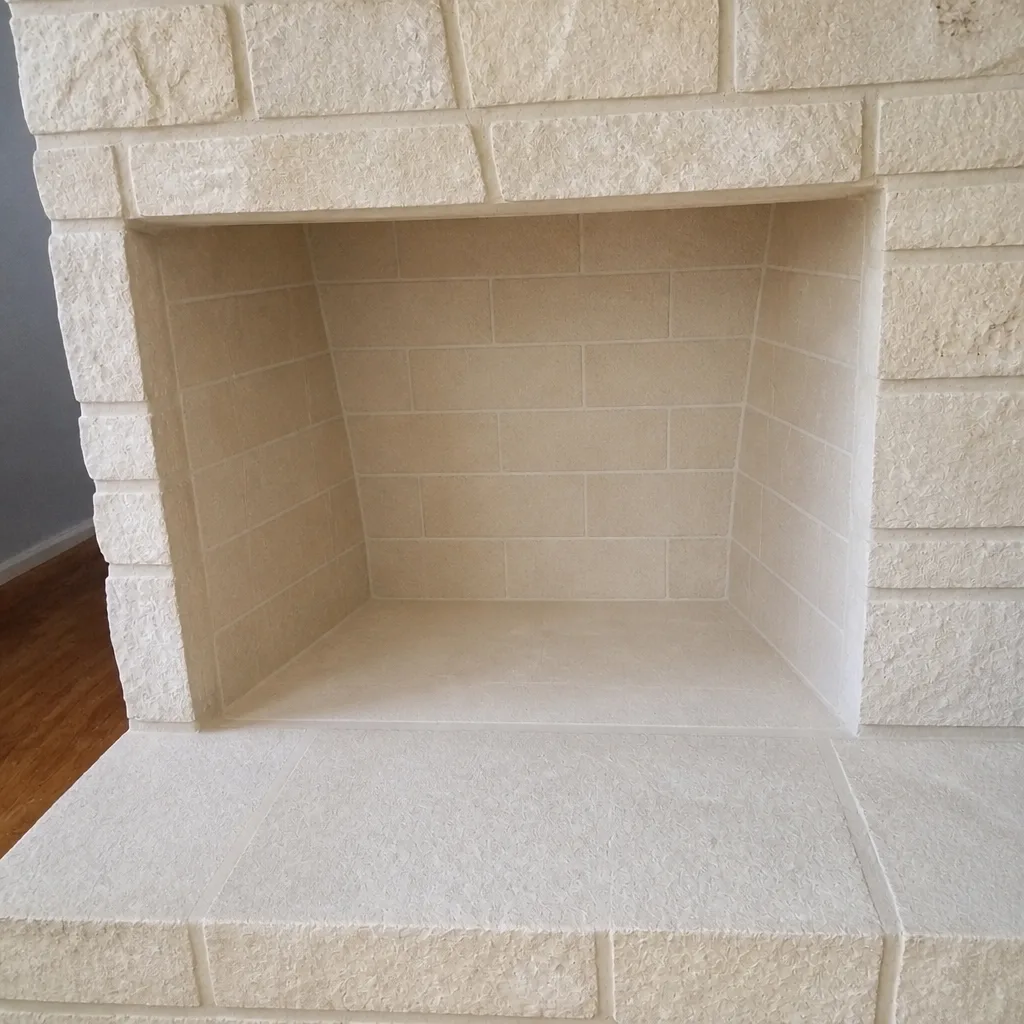
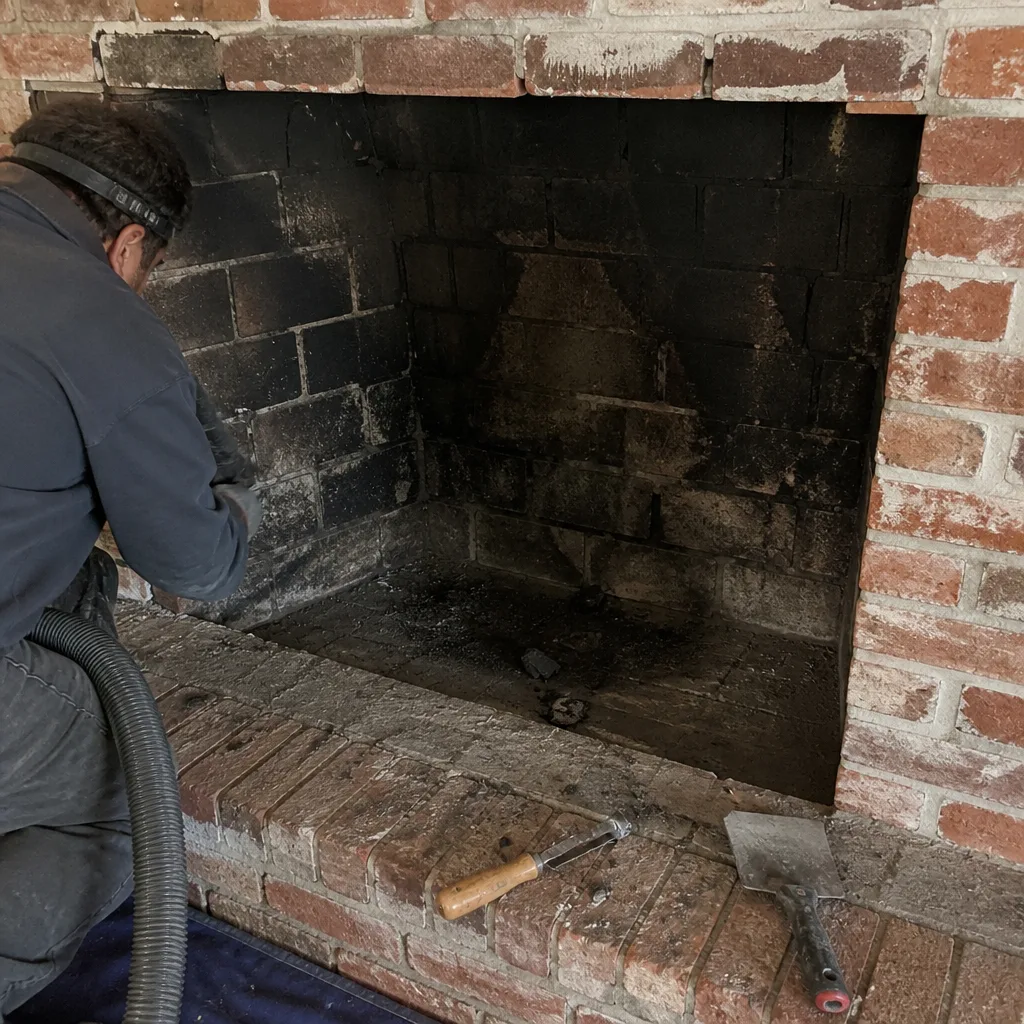
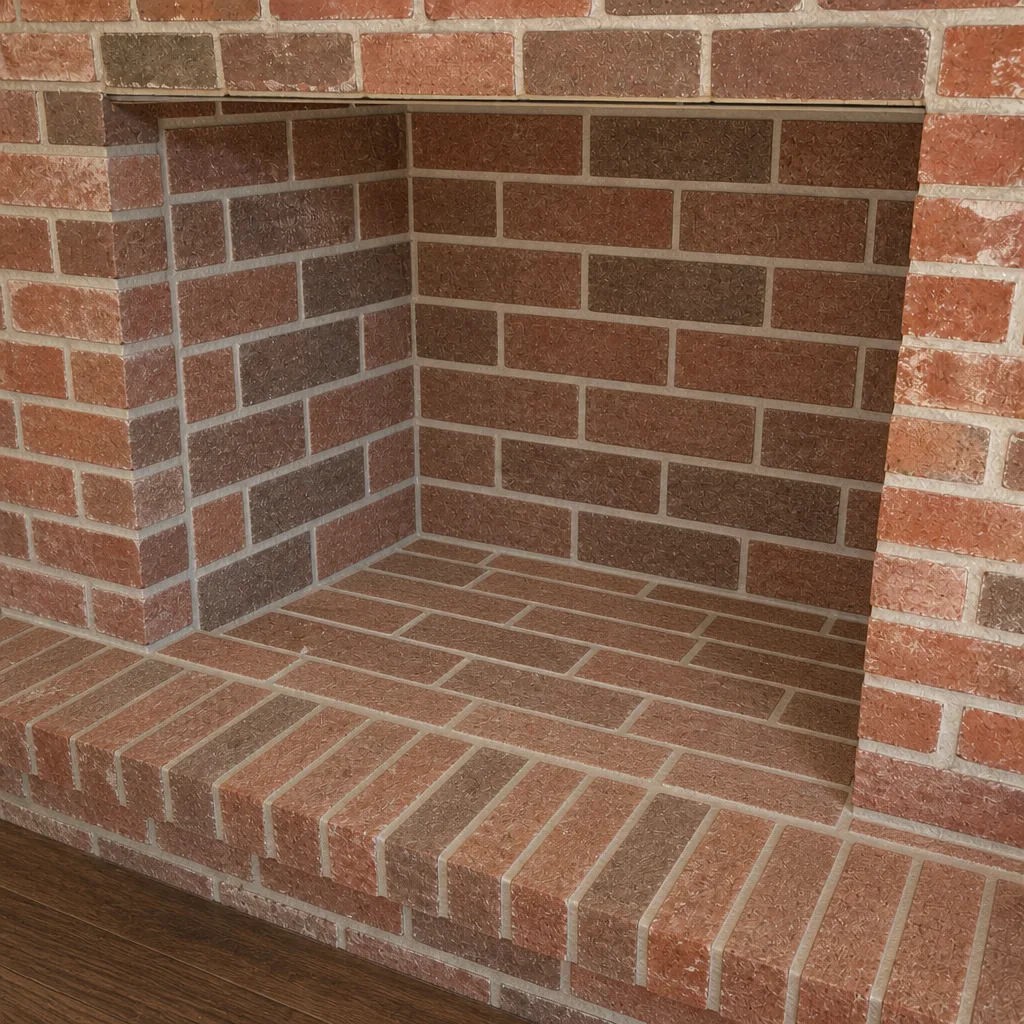
See the difference
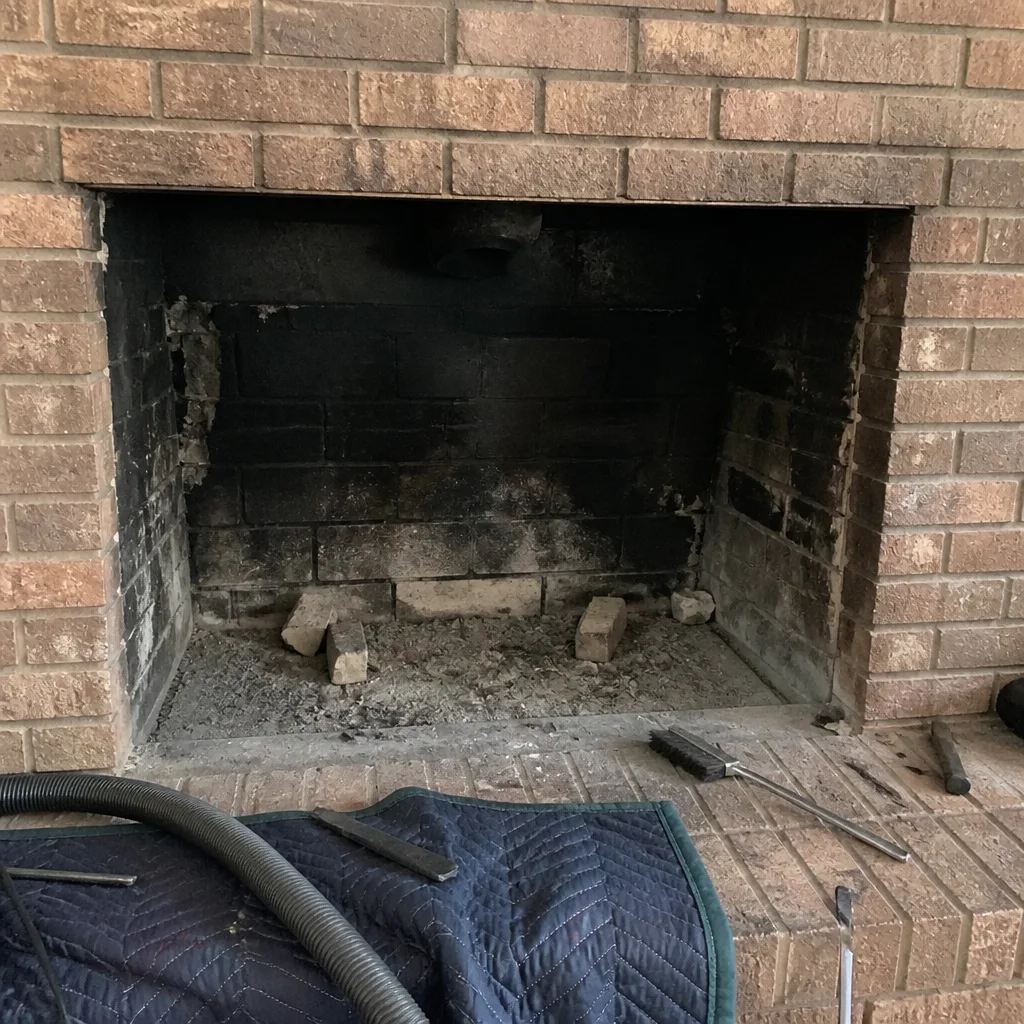 Before
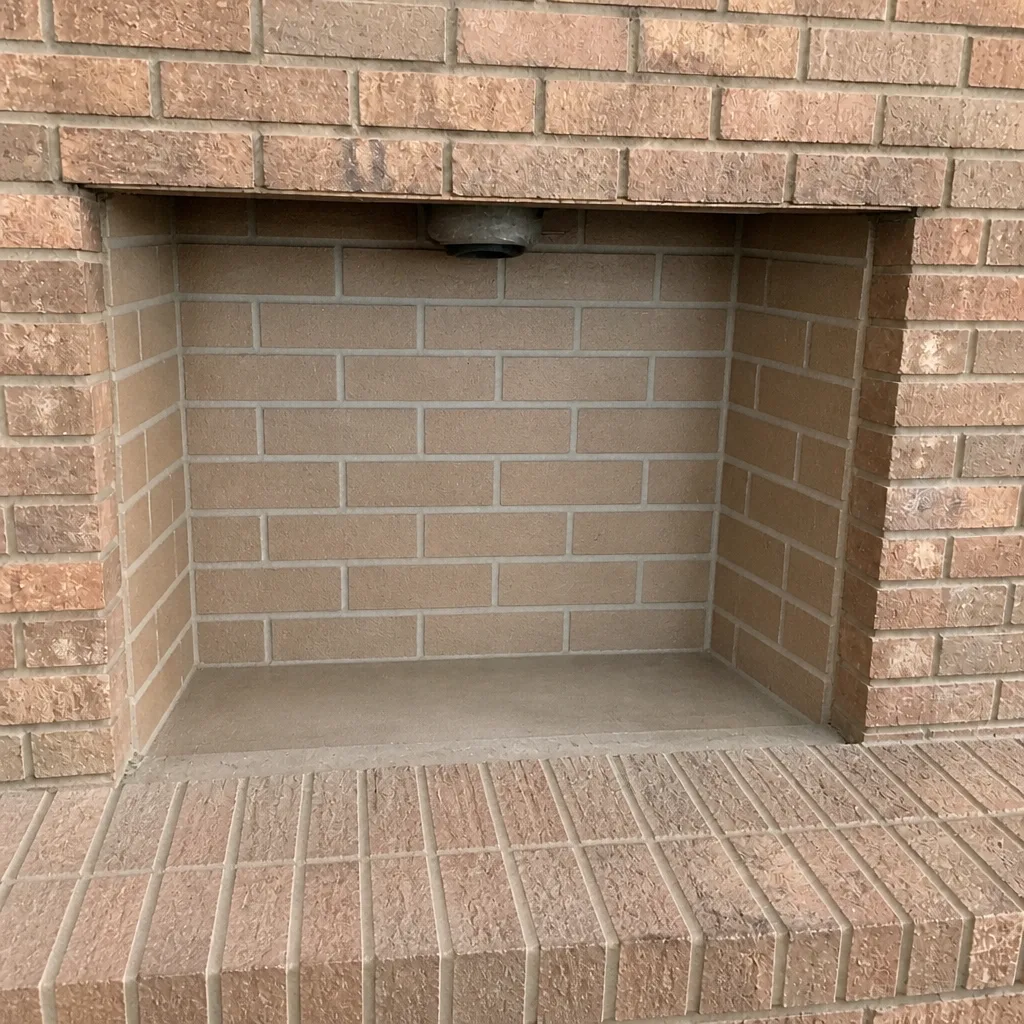 After
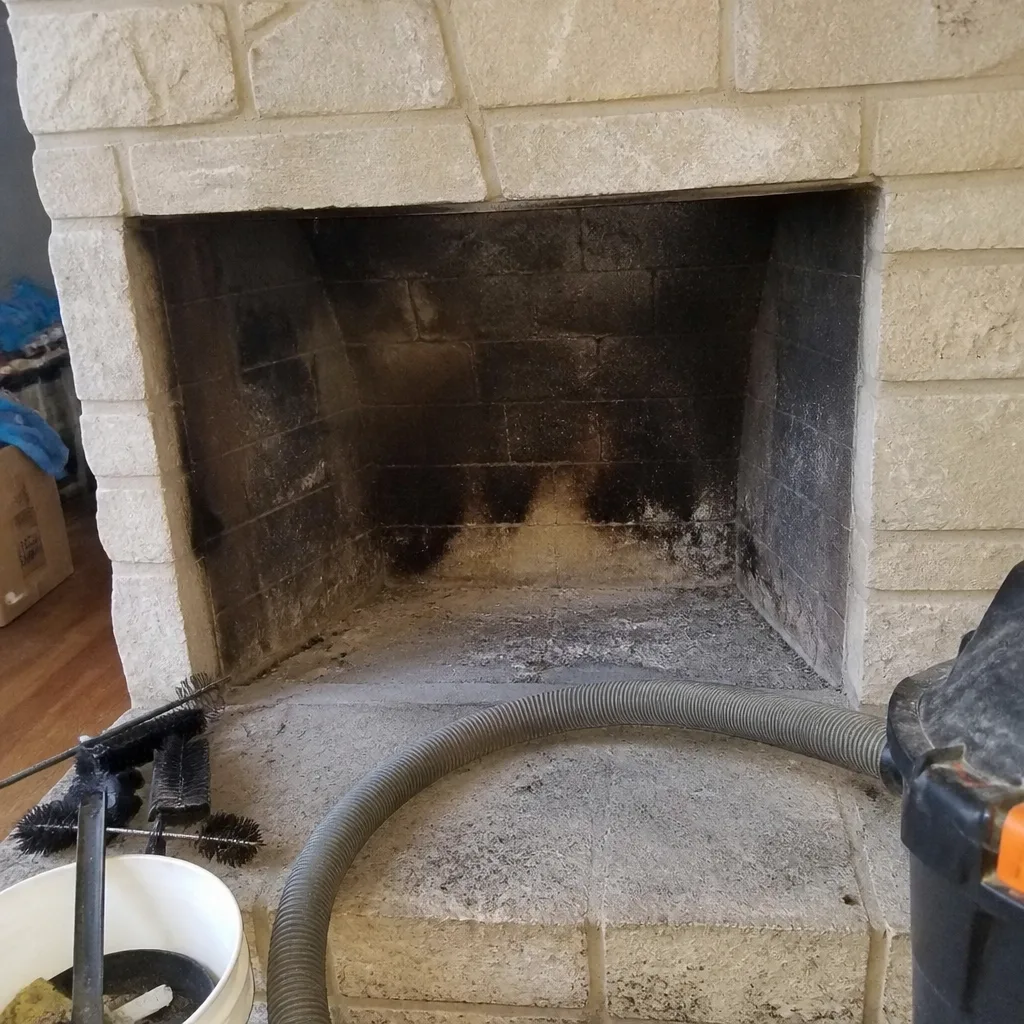 Before
 After
 Before
 After
When to Call a Professional
Call a professional if you’ve never had the chimney inspected, if it’s been more than a year since the last cleaning, if you’ve noticed a musty smell or crumbling debris in the firebox, if there’s staining or efflorescence on the exterior, or if the chimney cap is missing or damaged. Call if you’ve moved into a home and don’t know the chimney’s history, and call before you light the first fire of the season. Chimney Sweep Deltona offers free estimates in Deltona, and our technicians have up to 9 years of experience across sweeping, inspection and repair. Call (888) 458-8065. We answer 24/7. Fast dispatch from 7am to 7pm, Sunday through Friday. We’re closed on Saturday.
Frequently Asked Questions
Chimney cleaning in Deltona is priced per job after we’ve seen the flue, and the estimate is free. The range depends on flue size, liner type, the amount and stage of creosote, and whether a Level 2 video inspection or a cap replacement is included. Call (888) 458-8065 for an exact quote: estimates are free.
Only if the existing liner is actually damaged, and the way to know is a camera inspection, not a guess. Most liners we see can be cleaned or resurfaced; when a flue is too far gone, a DuraFlex flexible stainless liner restores it, and HeatShield ceramic resurfacing can repair less extensive damage without full replacement. We show you the footage before we recommend anything. Call (888) 458-8065 for an exact quote: estimates are free.
Once a year, even if you light the fireplace only a handful of times. In this climate the annual sweep is as much about catching moisture damage and checking the cap and crown as it is about removing creosote. Call (888) 458-8065 for an exact quote: estimates are free.
Nothing dramatic at first, which is the problem. Light creosote holds moisture against the liner, clay tile spalls and cracks over time, and a failed cap lets more water in. The result is a liner repair when a cleaning would have prevented it. Call (888) 458-8065 for an exact quote: estimates are free.
Because the flue is damp and holding old deposits. In this humidity, a flue that doesn’t get cleaned holds moisture and the smell of past fires, and it can push a musty odor back into the house when the chimney isn’t in use. A cleaning plus a cap check usually solves it. Call (888) 458-8065 for an exact quote: estimates are free.
A cleaning physically removes deposits from the flue; an inspection assesses the chimney’s condition. They’re usually done together, with a Level 1 visual inspection in every cleaning and a Level 2 video inspection when the chimney is new to you or has had a fire or storm. Call (888) 458-8065 for an exact quote: estimates are free.
The Bottom Line
Chimney cleaning in Deltona isn’t a copy of the cold-climate version. Low-use fireplaces, high humidity, porous clay tile and sandy soil that shifts under slab foundations all change what a sweep needs to find and fix. The essentials stay the same: an annual cleaning, a proper brush matched to your liner, a camera check afterward, and photo evidence of anything found. Get those four things and your chimney stays safe to burn. Skip them and the humidity does the work for you. None of it is urgent in a scare-you way; it’s just cheaper to know than to guess.
Chimney Sweep Deltona provides full-service chimney care across sweeping, repair and inspection. If you’d like a free estimate, call (888) 458-8065. We answer 24/7. Fast dispatch from 7am to 7pm, Sunday through Friday, and we’re closed on Saturday.
Written by the team at Chimney Sweep Deltona.