
Last updated November 15, 2026
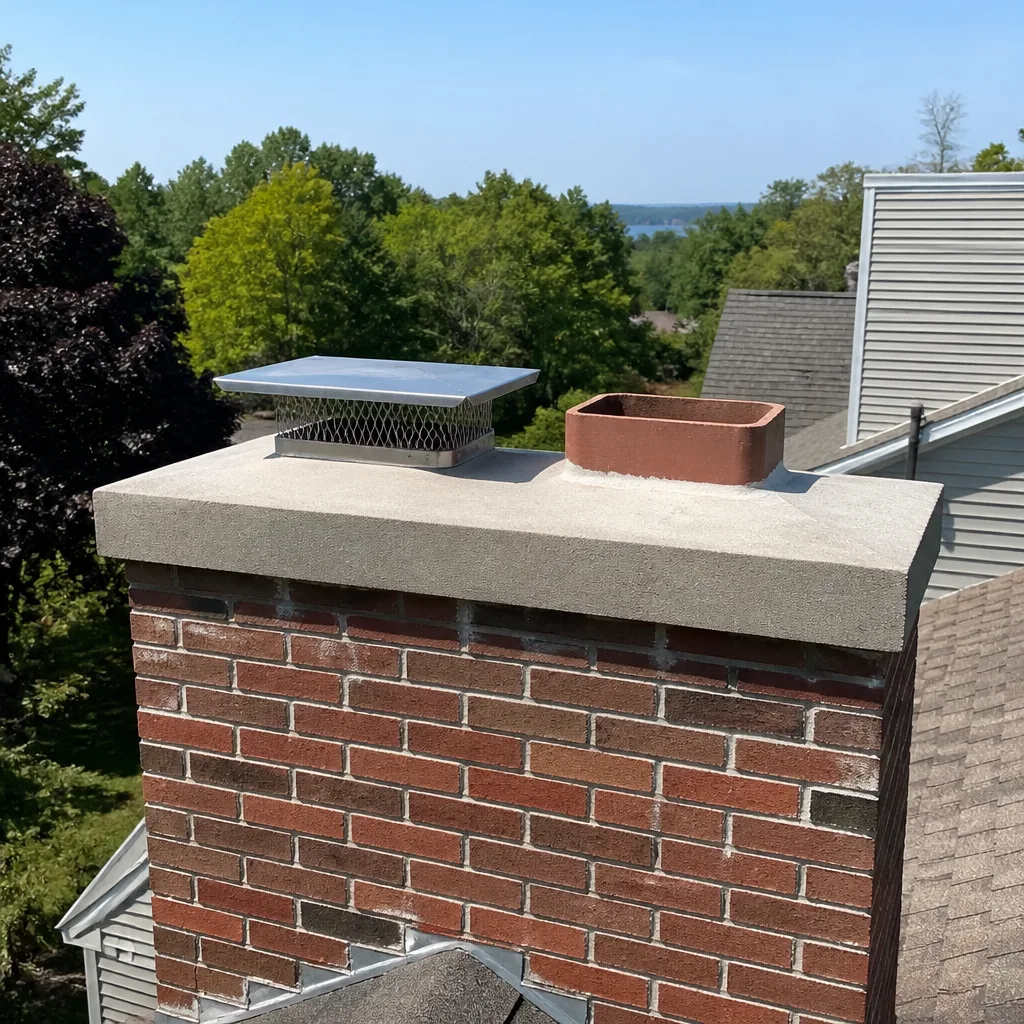 Sweep & inspection
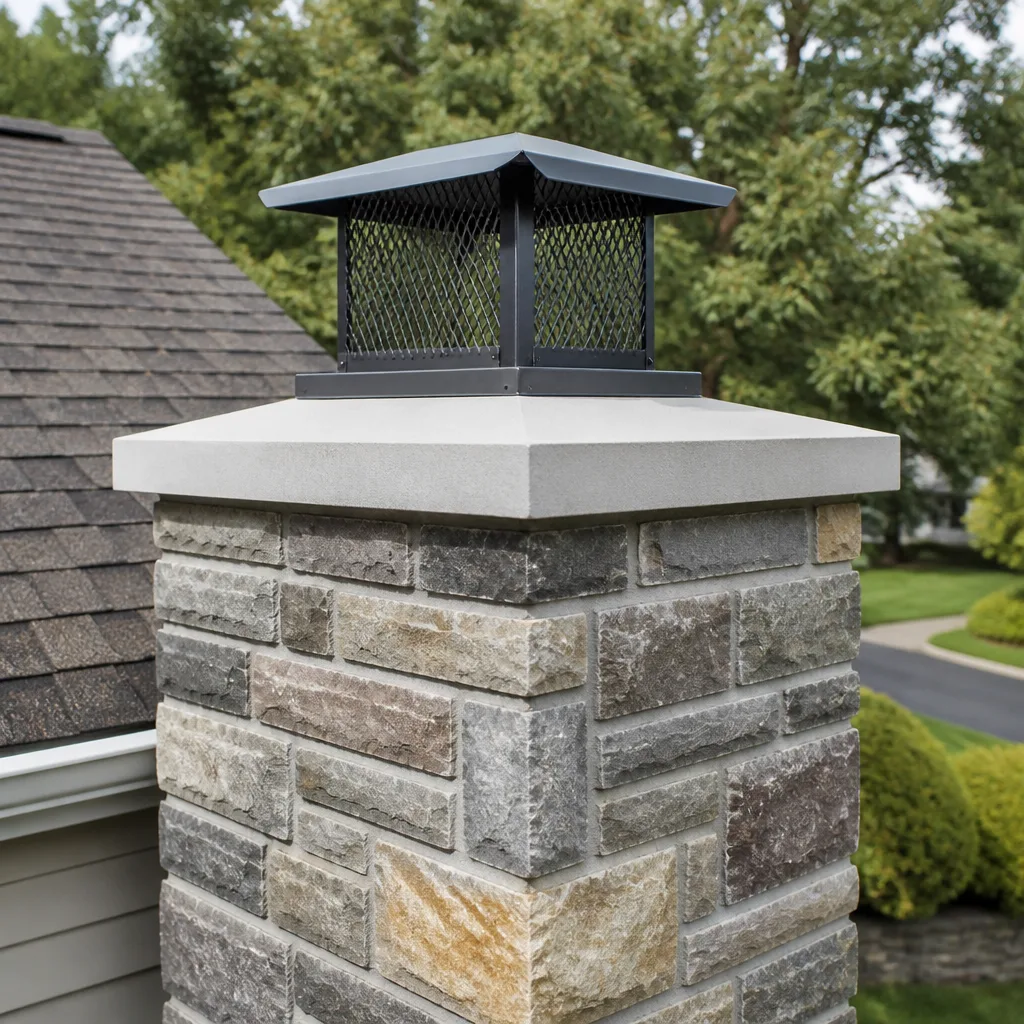 Caps & crowns
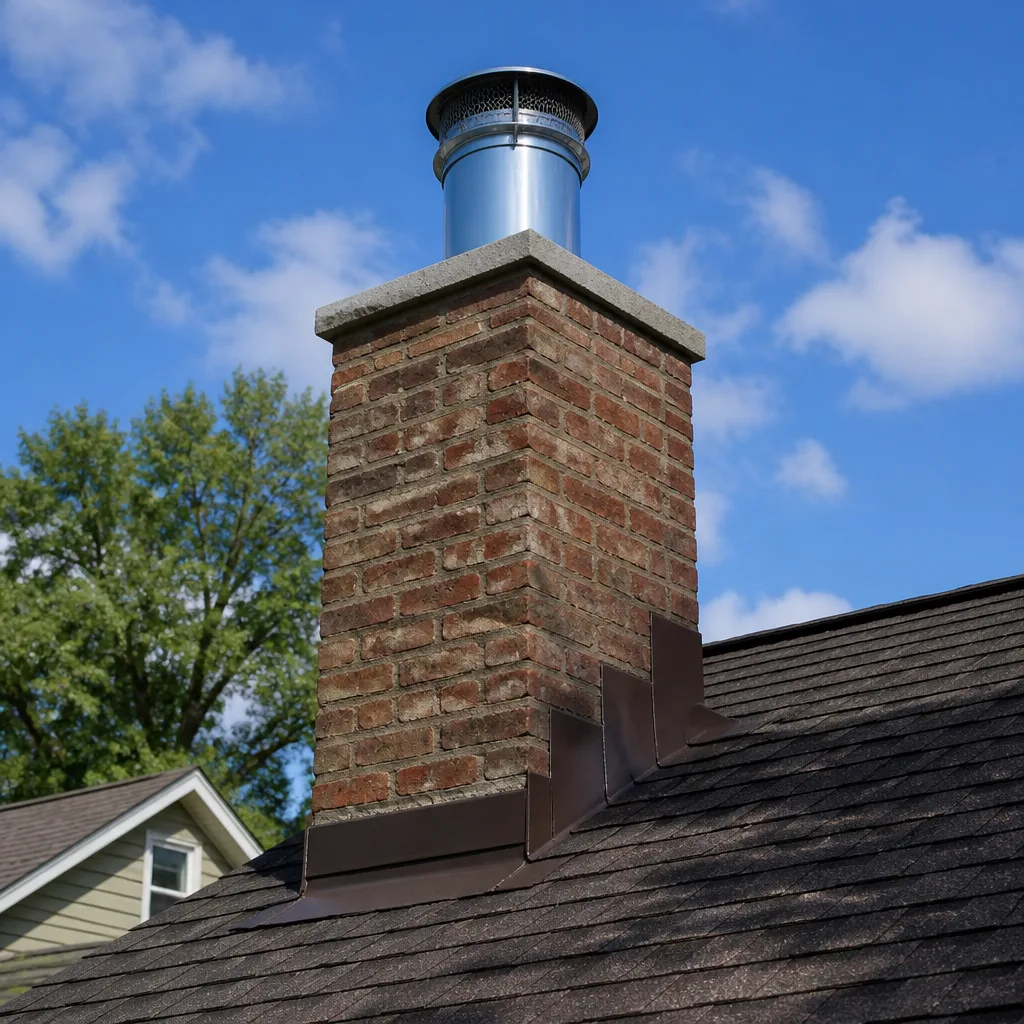 Flue relining
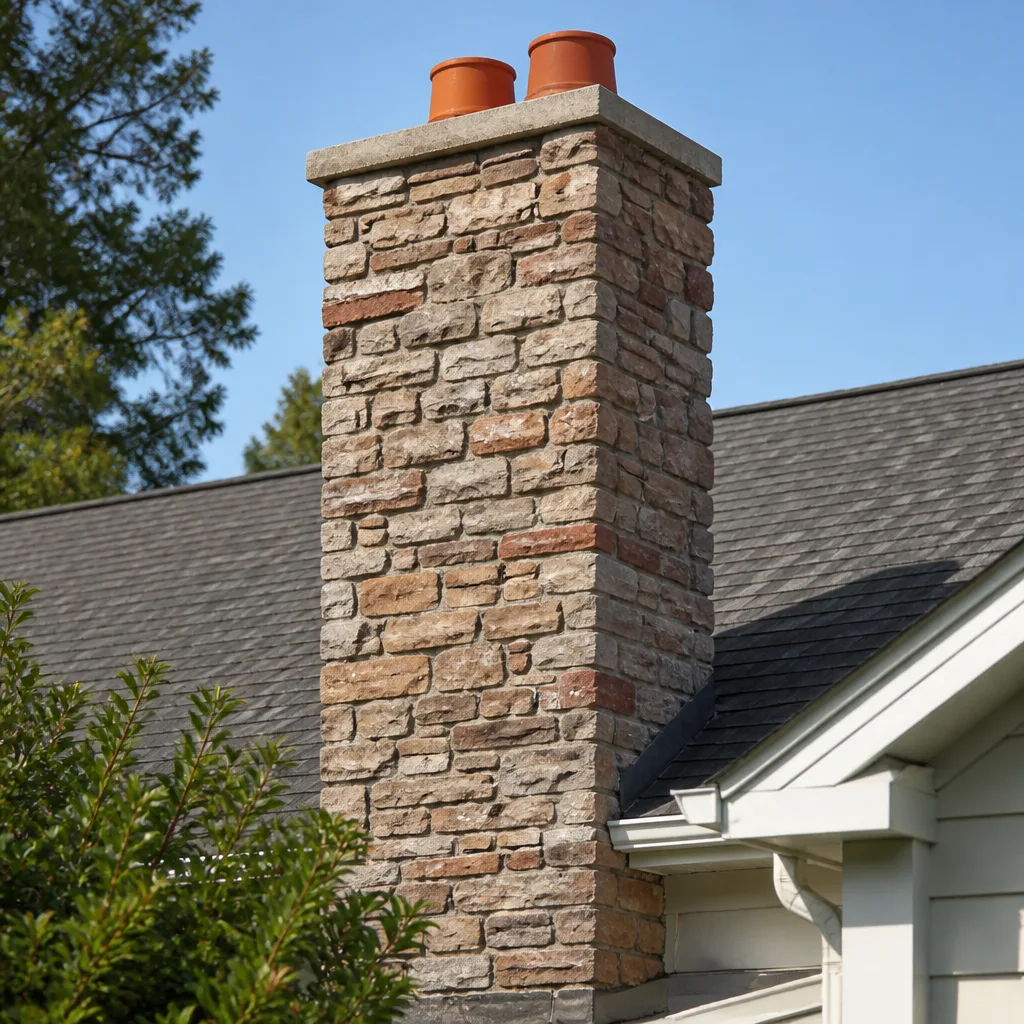 Masonry repair
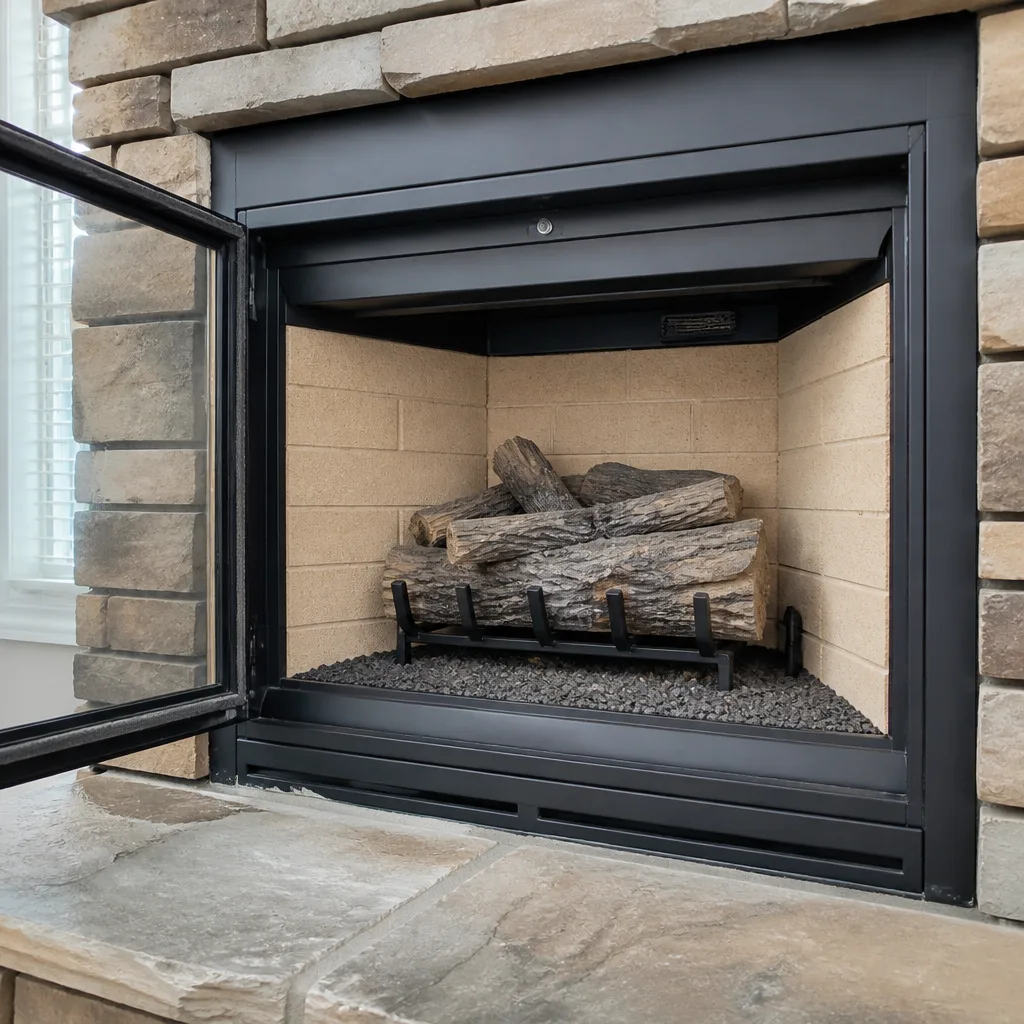 Gas fireplace service
Level 1 sweep and inspection to the NFPA 211 annual standard - flue, crown, cap, and flashing checked and photographed
Chimney sweep logs do not sweep chimneys. They loosen some creosote - which then falls where a brush and vacuum still have to collect it.
DIY vs Professional Chimney Cleaning: The Deltona Homeowner’s Decision Guide
You can buy a chimney brush kit at a home improvement store for less than the cost of a tank of gas, and it will absolutely scrape light creosote off the walls of a flue. That’s the part of the DIY conversation nobody argues about. The honest question isn’t whether you can push a brush up a chimney. It’s whether the brush, and you, can tell what condition that flue was in before and after. A brush removes soot. It can’t read a hairline crack in a clay tile. This guide maps what Deltona homeowners can safely handle themselves against the tasks where a mistake costs far more than the sweep.
Quick Answer
Deltona homeowners can safely clean fireplace glass, check the firebox and cap from the ground or a stable ladder, and lubricate a damper. Flue cleaning, camera inspection, and any assessment of liner condition should go to a professional, because consumer brushes can damage brittle clay tile liners and cannot reveal the cracks and Stage 2 glazed creosote that cause chimney fires. In short: DIY the surface, professional the structure.
Styles & brands we work with
- Sweep & inspection
- Caps & crowns
- Flue relining
- Masonry repair
- Gas fireplace service
Table of Contents
- The Capability Map: What You Can Actually DIY
- The Equipment Gap: Consumer Brushes vs. Professional Rotary Systems
- Why Deltona’s Clay Tile Liners Change the Math
- Three Ways DIY Cleaning Creates a False Sense of Safety
- The Insurance Liability Calculus for Florida Homeowners
- How to Use a Professional Report as Your Between-Visit Guide
- A Practical Decision Process, Step by Step
The Capability Map: What You Can Actually DIY
The DIY discussion usually collapses into “don’t touch it” or “anyone can do it,” and both answers are wrong. The useful distinction is between tasks that require judgment about chimney structure and tasks that don’t. Cleaning a piece of glass doesn’t require you to understand flue dynamics. Scrubbing a flue does.
Here’s the split, based on what the work actually demands:
Tasks homeowners can legitimately handle
- Cleaning fireplace glass doors. Soot and film on the glass of a wood or gas insert come off with a proper fireplace glass cleaner and a soft cloth. Nothing about this touches the flue. Avoid abrasive pads on coated glass.
- Exterior visual inspection from the ground. Walk the outside of the house and look at the chimney with binoculars. You’re checking for loose mortar joints, a missing or rusted cap, spalling brick, and any obvious tilt. You’re not diagnosing anything. You’re spotting things worth a professional look.
- Damper lubrication and operation check. A damper that sticks or grinds can often be helped with a graphite or high-temperature lubricant applied to the pivot points, following the manufacturer’s guidance. Make sure it opens and closes fully and seats properly.
- Ash removal and firebox cleanup. Once the firebox is fully cold, scooping out ash and vacuuming with a shop vac rated for fine ash is reasonable housekeeping. Leave a thin layer of ash on the firebrick if you burn wood regularly; it helps insulate.
- Checking the cap screen and bird guard. From a stable ladder, if you’re comfortable with heights, confirm the cap screen isn’t clogged with debris or nesting material. If the roof pitch or height makes you uneasy, don’t go up.
Tasks that need professional equipment and judgment
- Flue cleaning with proper containment. Professional sweeps use HEPA vacuums and containment at the firebox opening so soot doesn’t drift into your living space.
- Camera inspection of the flue interior. A video scan shows the liner condition from the firebox to the crown. That’s the only way to see a crack behind a soot film.
- Liner and crown assessment. Reading what the camera shows, judging whether a liner is serviceable, glazed, cracked, or separating from the mortar joints, and recommending repair or relining.
- Removing glazed Stage 3 creosote. This is a hard, tar-like deposit that has gone through a chimney fire or extended smoldering burns. Brushing alone won’t budge it; it may need chemical treatment or rotary cleaning.
- Any repair or relining work. If the inspection finds a damaged liner, this is chimney repair territory, and proper materials matter. We use systems like DuraFlex for flues that need relining and HeatShield for resurfacing where the liner is sound enough to rescue.
The principle is simple: if the task is about the surface you can see and touch, DIY is reasonable. If it’s about the structure you can’t see, that’s professional territory.
The Equipment Gap: Consumer Brushes vs. Professional Rotary Systems
The gap between a store-bought chimney brush and a professional rotary cleaning head isn’t marketing. It’s a real difference in how the cleaning action applies force to the flue wall, and in what happens when that force meets a fragile surface.
A consumer brush is typically a stiff poly or wire bristle set on a flexible rod. You push and pull it. The bristles scrape the flue wall in a linear motion, and the stiffness is what does the cleaning. That stiffness is also what causes damage when the user doesn’t have a feel for the flue’s condition. Push a stiff brush through a clay tile with a hairline crack in it and you can widen that crack or dislodge a chunk of tile. Pull it back and the same bristles can round over the edges of a joint that was already marginal.
A professional rotary system is different in three ways:
- Controlled force through a spinning head. The cleaning action comes from rotation, not from how hard you push. The technician controls the contact pressure by how the head is fed into the flue, not by muscle.
- Continuous HEPA vacuum containment. The soot and creosote come off the wall and go into a sealed vacuum. Nothing drifts into your living room, and nothing is left behind to re-coat the flue.
- Camera confirmation of results. A professional sweep runs a camera before and after the cleaning. You see the flue interior at both points. You know what was removed and what wasn’t, and whether the flue structure is intact.
The HomeSaver and rotary whip setups used by trained sweeps are built around this idea of controlled force with verification. The core reason we don’t recommend a homeowner self-cleaning a flue isn’t that it’s beyond their capability to push a rod. It’s that the combination of stiff bristles, no containment, and no camera leaves you with a cleaning you can’t verify and a flue you may have quietly damaged.
This is also why the professional sweep matters more on an older Deltona home than on a new build. Older flues have had more heating cycles and more thermal expansion and contraction. Marginal clay tile is more likely to have cracks that a stiff brush will find before you do.
Why Deltona’s Clay Tile Liners Change the Math
Most of the homes in and around Deltona that have a masonry chimney are lined with clay tile. The tiles stack in sections with mortar joints at each seam, and they’re brittle. They tolerate normal chimney heat cycling well. They don’t tolerate metal bristle brushes rammed into them at the wrong angle, and they don’t forgive a homeowner who doesn’t realize the brush on their rod has just hit a joint at a bad angle.
This matters more here than the generic DIY advice you’ll find online suggests, for three reasons:
- Clay tile is unforgiving of impact. A brush head that binds on a joint and gets yanked can spall the tile face. A small chip becomes a heat path. That heat path becomes a fire risk next season.
- Florida humidity accelerates mortar joint degradation. The mortar between clay tiles doesn’t fail overnight, but the annual wet/dry cycle here is rougher on joints than in a dry climate. A flue that’s been swept a few times with the wrong pressure has less margin to give. Our teams have up to 9 years of experience and know what a healthy joint versus a marginal one feels and looks like on camera.
- Older Deltona subdivisions have chimneys from many different decades. The original builds, the 1990s infill, and the recent construction all used different tile and mortar standards. A homeowner has no way to know which standard their chimney was built to without the documentation and the inspection that goes with it.
If a homeowner damage is found during a DIY cleaning, the next call is chimney repair, and the scope is bigger than the cleaning would have been. That’s the consequence side of the capability map. A professional sweep who does the cleaning correctly, at controlled force and with camera verification, is doing you a favor on the tile as much as on the soot.
For more detail on how often this needs to happen in our climate, see our chimney sweep service page.
Three Ways DIY Cleaning Creates a False Sense of Safety
The most dangerous outcome of a DIY cleaning isn’t a damaged flue. It’s the feeling that you’ve handled it. Here are the three patterns we’ve seen most often in Deltona homes where a homeowner has done their own cleaning for a season or two.
1. Cleaning visible creosote while missing Stage 2 glaze deposits
Stage 1 creosote is the fluffy, flaky deposit you can see and brush off. Stage 2 is a hard, shiny glazed layer that bonds to the flue wall after repeated hotter burns or a small chimney fire. It doesn’t brush off. It doesn’t even look like a problem from the firebox. But Stage 2 is highly flammable, and a brush pass over the top of it does nothing. The homeowner sees soot coming down in the pan, concludes the flue is clean, and stops. The glaze stays.
2. Clearing a blockage without identifying its source
A bird’s nest, a leaf pile, a collapsed tile shard, or a broken piece of cap screen can all block a flue. A rod with a brush on the end will knock the bulk of it down. What it won’t tell you is whether the blockage was the cause of the draft problem or a symptom of something else. If the blockage was caused by a failed cap (which is why we sometimes recommend a Gelco or Olympia Chimney cap during inspection), the problem returns next year. If the blockage was a broken tile shard, the flue needs a camera inspection before the chimney is safe to use.
3. Missing hairline cracks without camera equipment
A hairline crack in a clay tile liner isn’t visible from the firebox and isn’t visible from the roof. It’s visible on camera pushed through the flue from the firebox up. A crack the width of a fingernail allows superheated gases and sparks to reach the wood framing behind the chimney. On a long-burning fire in cool weather, that’s the classic path to a chimney fire in the framing. The homeowner who cleaned the flue last season and felt good about it has no way of knowing if that crack opened since. A camera inspection is the only way to be sure.
There’s a fourth pattern that’s worth mentioning because it shows up in attic inspections: a flue that’s been cleaned but where the crown at the top of the chimney has spalled and no longer sheds water away from the flue. That’s a slow problem, not a fast one, but it’s the kind of thing a professional eyes during the same visit as the sweep. If the crown or cap needs repair, that’s chimney repair, not cleaning.
The Insurance Liability Calculus for Florida Homeowners
Here’s the part most DIY guides skip: what happens to a homeowner’s insurance claim after a chimney fire if the last cleaning was a DIY job with no inspection record.
Nobody can promise what a Florida insurance carrier will do on a claim. That’s a legal question and it depends on the specific policy and the specific circumstances. But the general pattern matters: most homeowner policies have clauses about reasonable maintenance and about documented service. A chimney fire claim where the last documented service is a professional sweep and inspection two years ago is a very different file from a claim where the homeowner says “I clean it myself once a year.”
The practical differences come down to three things:
- Documentation. A professional inspection produces a written report with photos and a camera scan. That’s evidence the flue was inspected and the condition was recorded at a known date.
- Attribution. If the fire is traced to a cracked liner, a professional record establishes when the liner was last inspected and whether the crack was pre-existing. A DIY cleaning has no such record.
- Precedent. Many carriers look favorably on the pattern of regular professional service. It signals that the homeowner took the maintenance duty seriously, even if a fire happened anyway.
We can’t tell you what your carrier will do. We can tell you that a professional sweep plus inspection gives you the record. That’s not a scare tactic; it’s the practical case for keeping at least the inspection on the professional side, even if you do some surface maintenance yourself.
If you’re in Deltona and want to get that record started, call (888) 458-8065. We answer 24/7. Fast dispatch from 7am to 7pm, Sunday through Friday.
How to Use a Professional Report as Your Between-Visit Guide
Here’s the angle most homeowners miss entirely: a professional sweep report isn’t just a receipt for a cleaning. It’s a maintenance guide for the months between visits, written by someone who’s actually seen the inside of your flue.
What a report typically includes, and what each part tells you to watch:
The camera scan flow
The report includes photos from the camera push through the flue. Look at the joints and where they sit. If the sweep noted a marginal joint at, say, the third tile section from the firebox, that’s the area to re-examine visually next time you’re at the firebox opening with a flashlight after a cold stove. You won’t see cracks that way, but you’ll see discoloration, soot streaking, or efflorescence, which are all worth a call.
The creosote stage and thickness record
The report should note the stage and estimated thickness of the creosote found. Stage 1 at 1/8 inch is normal for a season of burning. Stage 2 at 1/4 inch or more is a signal that the sweep will want to see the flue again sooner. The record tells you how much your burning habits are producing, and whether you need to adjust the wood you’re burning or the air control you’re using.
The cap and crown condition note
The report should say whether the cap screen is intact, whether the crown is shedding water properly, and whether the mortar at the top is sound. If the sweep noted a crown issue but said it could wait a season, that’s your window to schedule a chimney repair before the problem spreads. If the report says the cap is near the end of its life, that’s a Gelco or Olympia Chimney cap replacement to plan for.
The record of what was not cleaned
A good report will note anything the sweep deliberately left alone. If glazed Stage 3 creosote was found and the sweep chose not to rotary-clean it on that visit, the report should say so and say why. That’s not a problem with the report; that’s information. It tells you what to plan for next season.
Our own inspections are set up to give you that report with photos you can flip through yourself. We show you what we find. Nothing gets recommended without camera evidence behind it. If the honest answer is that your flue is fine and doesn’t need repair, the report says that too, and you keep it for your records.
A Practical Decision Process, Step by Step
If you’re deciding each season between DIY and professional, here’s the process we recommend, in order:
- Start with the visual check you can do yourself. Walk the outside of the chimney. Check the cap, the crown, and the brick or siding. Look for obvious problems before you decide anything about cleaning.
- Schedule a professional inspection at least once a year. An inspection is faster and less expensive than a sweep, and it establishes the baseline. A camera inspection tells you the actual condition of the flue.
- Let the inspection drive the cleaning decision. If the report says the creosote layer is 1/8 inch and the flue is sound, the sweep may not be needed yet. If the layer is heavy, the sweep happens now.
- Do the surface tasks yourself between visits. Glass, damper, ash, exterior visual. These cost you nothing and keep the fireplace operating properly.
- Keep the report in your house file. This is the record. It matters for insurance, for resale, and for tracking the flue over years.
- Re-read the report before the next season’s fire. It tells you what to focus on, and whether the sweep flagged a marginal area to watch.
That’s the whole system. The DIY part is real, and it’s worth doing. The professional part is the record and the structure inspection, and it’s worth doing too.
If you’re in a Deltona neighborhood like Deltona Lakes or Saxon Woods and you’re not sure whether the last cleaning was done properly, an inspection is the place to start. Our Deltona page lists what we offer locally.
Common Mistakes to Avoid
- Buying the stiffest brush you can find. A stiff wire brush on a brittle clay tile liner is more likely to damage the tile than to clean it thoroughly. If you’re going to brush anything, use a poly brush sized correctly for the flue, and don’t force it through a binding joint.
- Cleaning without any containment. Soot goes everywhere. A box fan in the window is not containment; the soot settles on every soft surface in the room and can leave a film on the walls. Professional HEPA containment exists for a reason.
- Assuming a clean flue is a safe flue. Cleaning removes creosote; it doesn’t tell you the liner is sound. On a Deltona home with older clay tile, the liner inspection is the safety part.
- Skipping the inspection because the cleaning went fine. The cleaning is the low-stakes task. The inspection is the high-stakes one. Don’t swap them.
- Using a chimney cleaning log to skip the annual inspection. A log of your own cleanings is not a substitute for a camera inspection. An insurance claim after a fire will not be helped by a handwritten log.
- Missing the cap and crown because you’re focused on the flue. A failed cap lets water and animals in, and a spalled crown lets water into the flue structure from the top. Both are visible from the ground and both need a professional to fix properly.
- Believing a chemical chimney cleaner does the whole job. Chemical cleaners can help break down glazed creosote before a professional sweep, but they don’t replace the sweep and they don’t replace the inspection. They’re a tool a professional uses, not a substitute for the professional.
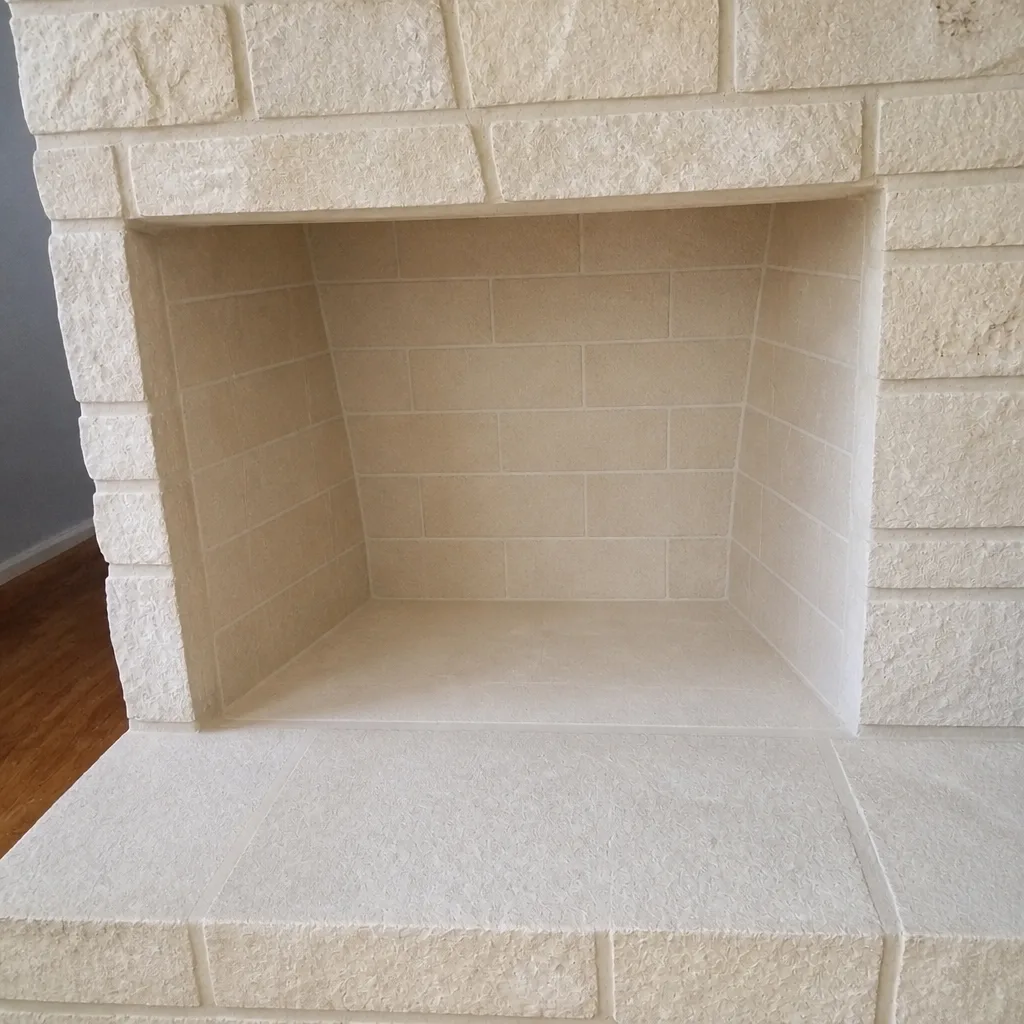
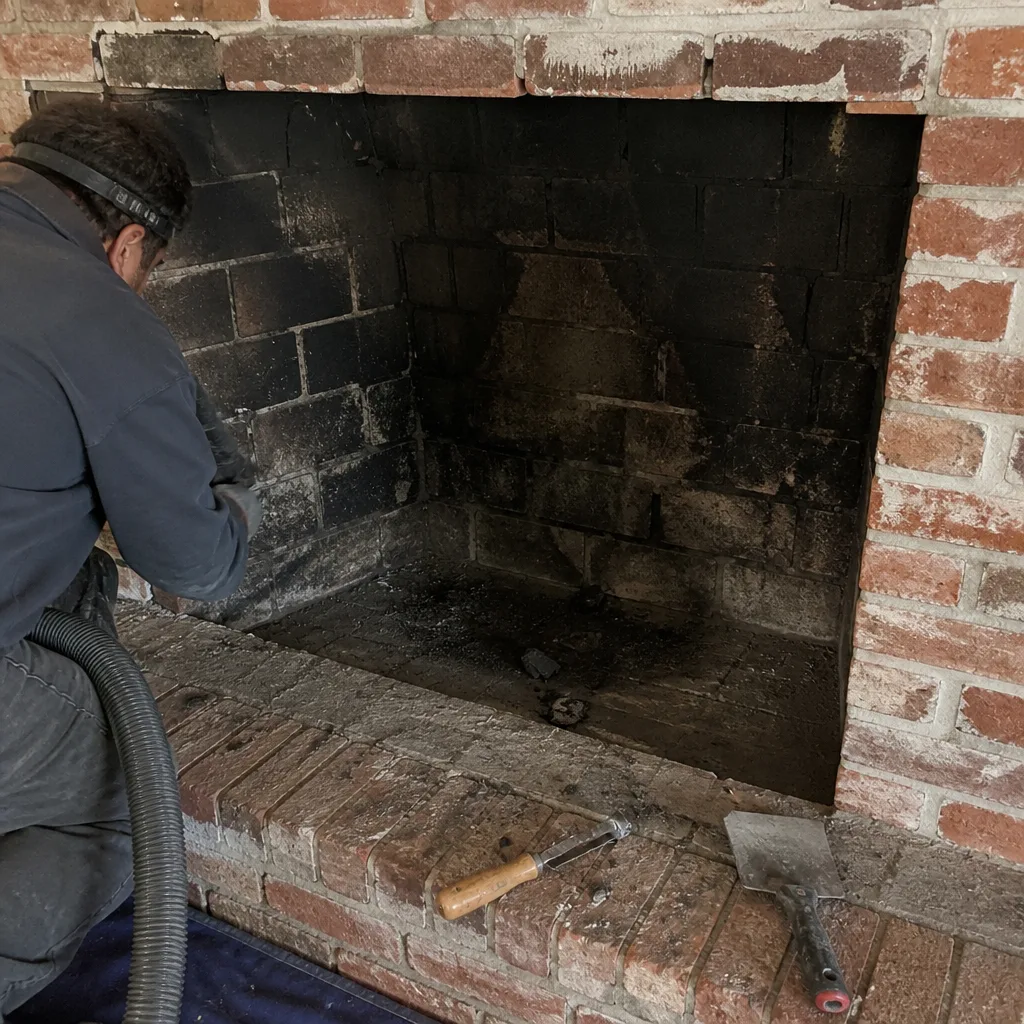
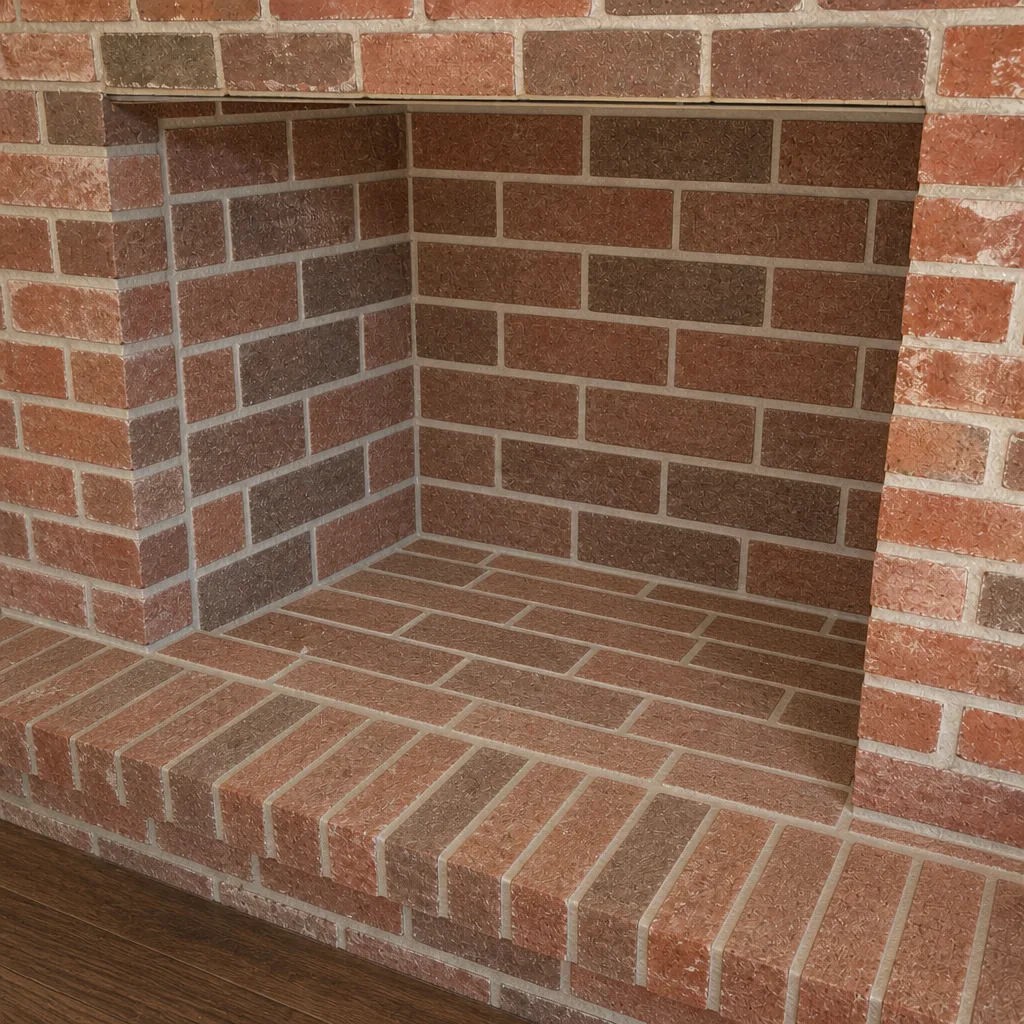
See the difference
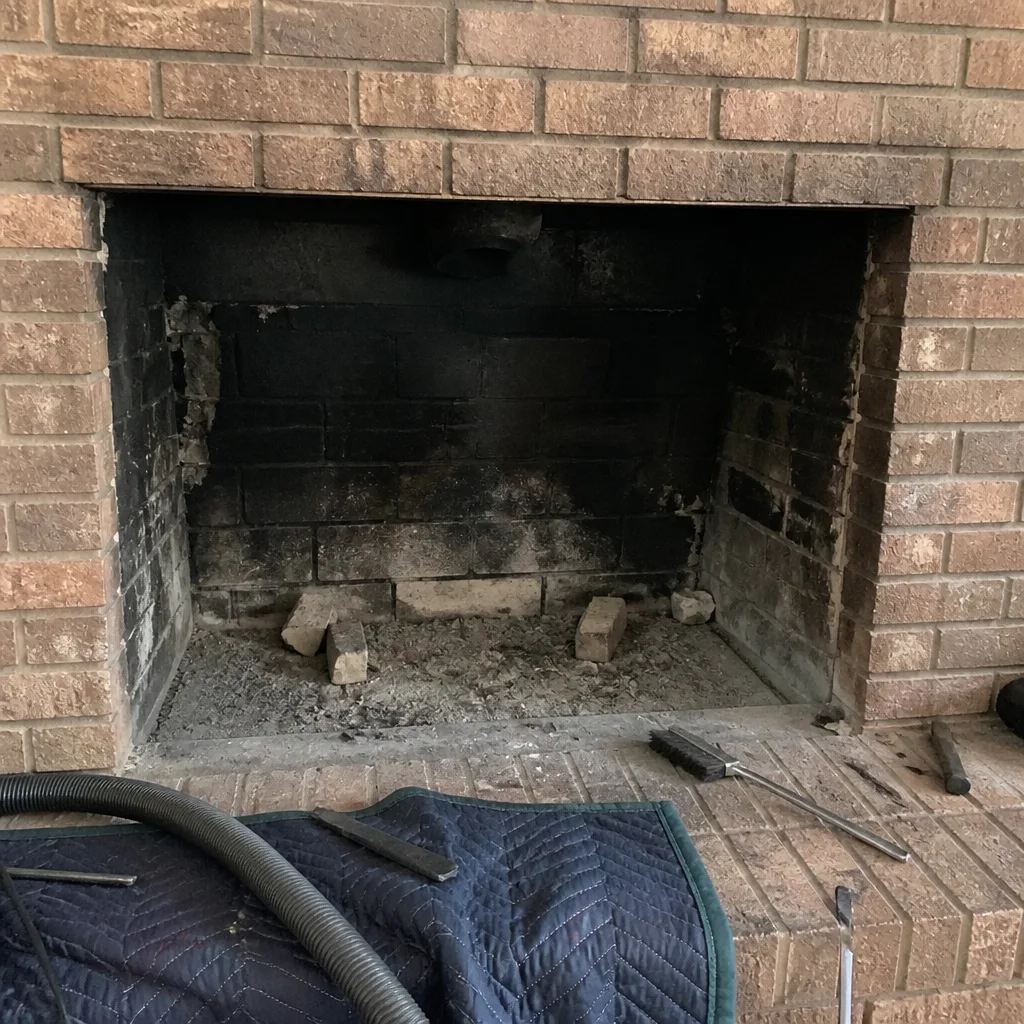 Before
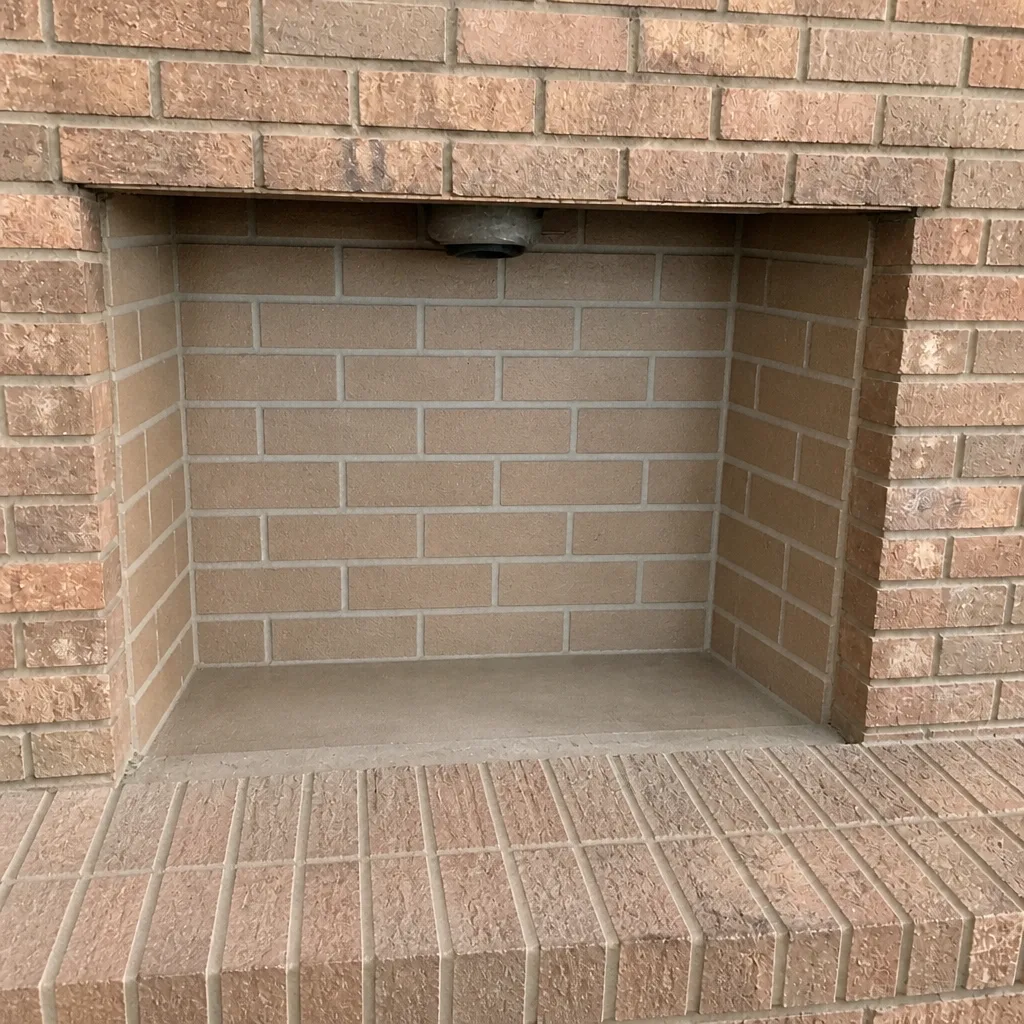 After
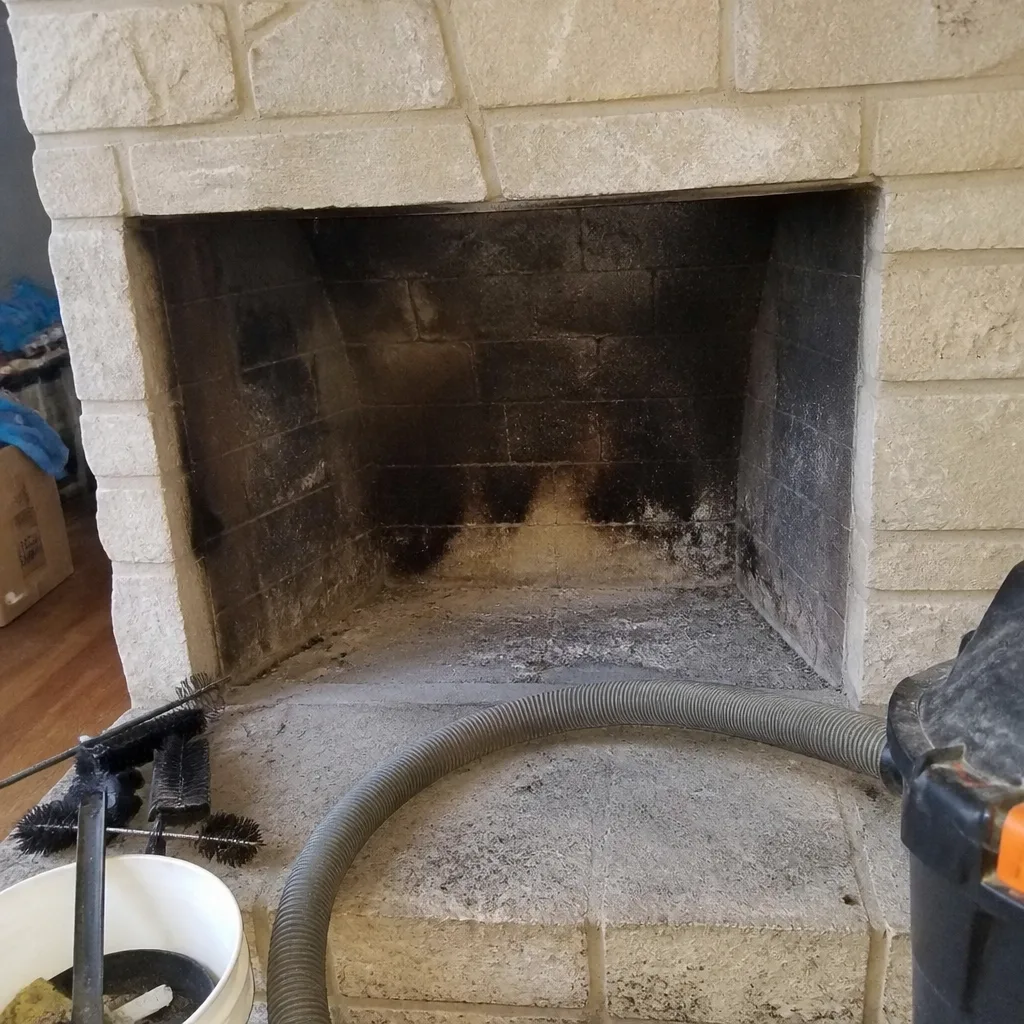 Before
 After
 Before
 After
When to Call a Professional
Call a professional sweep when any of the following is true: you’ve just moved into a Deltona home and don’t know the last time the chimney was inspected; you’ve burned wood heavily for a season or more; you’ve had a chimney fire, even a small one, or heard the rumble and pop; you’re renovating and the flue is about to be enclosed; or you have a gas appliance venting through the chimney and need to confirm it’s drafting properly. Carbon monoxide risk is the quiet one: a blocked or compromised flue on a gas appliance doesn’t smell, doesn’t smoke, and doesn’t give you any warning before it’s dangerous. If the last inspection is more than a year old, call. Chimney Sweep Deltona offers free estimates in Deltona. Call (888) 458-8065. We answer 24/7. Fast dispatch from 7am to 7pm, Sunday through Friday.
Frequently Asked Questions
You can safely handle the surface tasks: glass cleaning, damper lubrication, ash removal, and an exterior visual check from the ground. Flue cleaning and liner inspection should go to a professional, because the brittle clay tile liner in most Deltona masonry chimneys can be damaged by consumer brush technique, and hairline cracks are invisible without camera equipment. If you’re going to brush anything, size the brush correctly, use a poly head, never force it through a binding joint, and get a professional camera inspection at least once a year regardless. Call (888) 458-8065 for a free inspection estimate.
A professional rotary sweep uses a spinning head with controlled contact pressure plus HEPA vacuum containment and a camera before and after. A consumer brush relies on bristle stiffness and push force, has no containment, and gives no visual verification. The rotary setup cleans more evenly and does less damage to the tile. The camera confirmation is the part that matters most for safety. If you’re not sure what your last cleaning actually did, call (888) 458-8065 and we’ll run a camera scan.
Most wood-burning chimneys in Deltona need professional cleaning about once a year with regular use, and an annual inspection every year regardless. Gas appliances venting through the chimney need inspection every year too, and the cleaning schedule depends on what the inspection shows. Our mild winters mean many homeowners burn less than they would up north, but they also mean creosote can sit for months unattended before the next fire season. A yearly inspection is the reliable schedule. Call (888) 458-8065 to book one.
Nobody can promise what your carrier will do, and the answer depends on your specific policy. What we can tell you is that a professional inspection report with photos and a camera scan gives you a documented record of the flue’s condition at a known date, which is helpful in any claim conversation. A DIY cleaning with no record doesn’t give you that. Keeping the annual inspection on the professional side is the practical hedge. Call (888) 458-8065 for a free inspection estimate.
The report tells you the creosote stage and thickness, the condition of each visible joint in the flue, the cap and crown condition, and anything the sweep chose to leave alone. It includes camera photos. Used properly, it’s a between-visit guide: the areas the sweep flagged are the ones to check from the firebox after each burn. If the flue needs a liner repair, we use systems like HeatShield for ceramic resurfacing where the liner is salvageable and DuraFlex when a full reline is the right call. Call (888) 458-8065 for a free estimate.
Glazed creosote (Stage 2 or Stage 3) can’t be removed by ordinary brushing. It needs a chemical treatment to break it down and then a rotary sweep, and in severe cases it may reveal liner damage underneath. A sweep who finds glaze should tell you what stage it’s at, what was removed, and what to plan for next season. A home sweep that doesn’t mention it is either lucky or not looking closely enough. Call (888) 458-8065 if a previous cleaning found heavy deposits and you’re not sure of the plan.
The Bottom Line
The DIY debate isn’t about cost. It’s about whether you can see what you did. Surface tasks – glass, damper, exterior visual, ash – are reasonable to do yourself, and doing them helps your fireplace burn properly. Structure tasks – flue cleaning, camera inspection, liner assessment – need professional equipment and a trained eye, because a brush can’t reveal a crack, and a stiff brush can create one. Keep the inspection on the professional side every year, keep the report in your house file, and use it to guide your own maintenance between visits. On a Deltona clay tile flue, that split is what keeps the chimney safe to burn and your records clean if anything ever goes wrong.
Contact us: Chimney Sweep Deltona provides full-service chimney care across Deltona – sweeps, repairs, and inspections – with professional-grade materials from DuraFlex, HeatShield, Gelco, Olympia Chimney, Famco, and Copperfield. We show you what we find, and nothing is recommended without camera evidence you can look at yourself. Call (888) 458-8065 for a free estimate. We answer 24/7. Fast dispatch from 7am to 7pm, Sunday through Friday.
Written by the team at Chimney Sweep Deltona.