
Last updated November 15, 2026
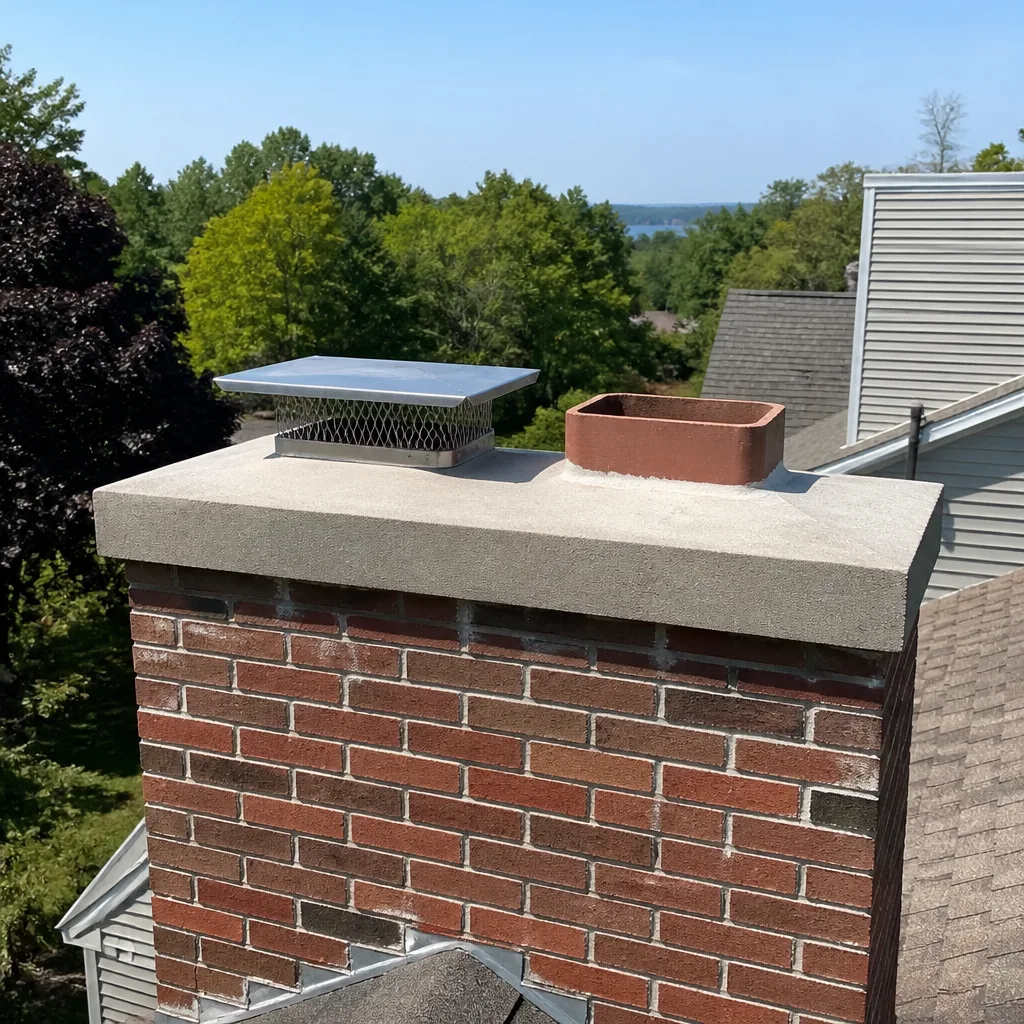 Sweep & inspection
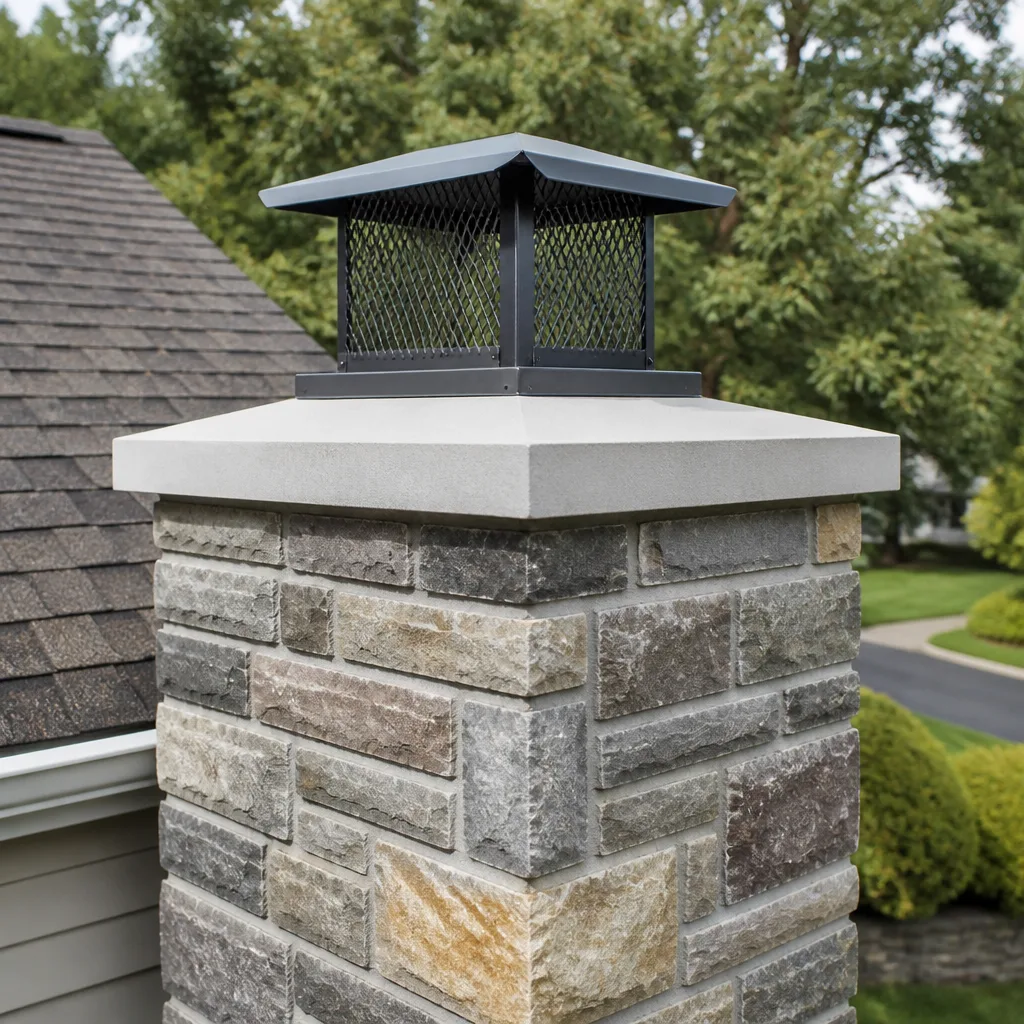 Caps & crowns
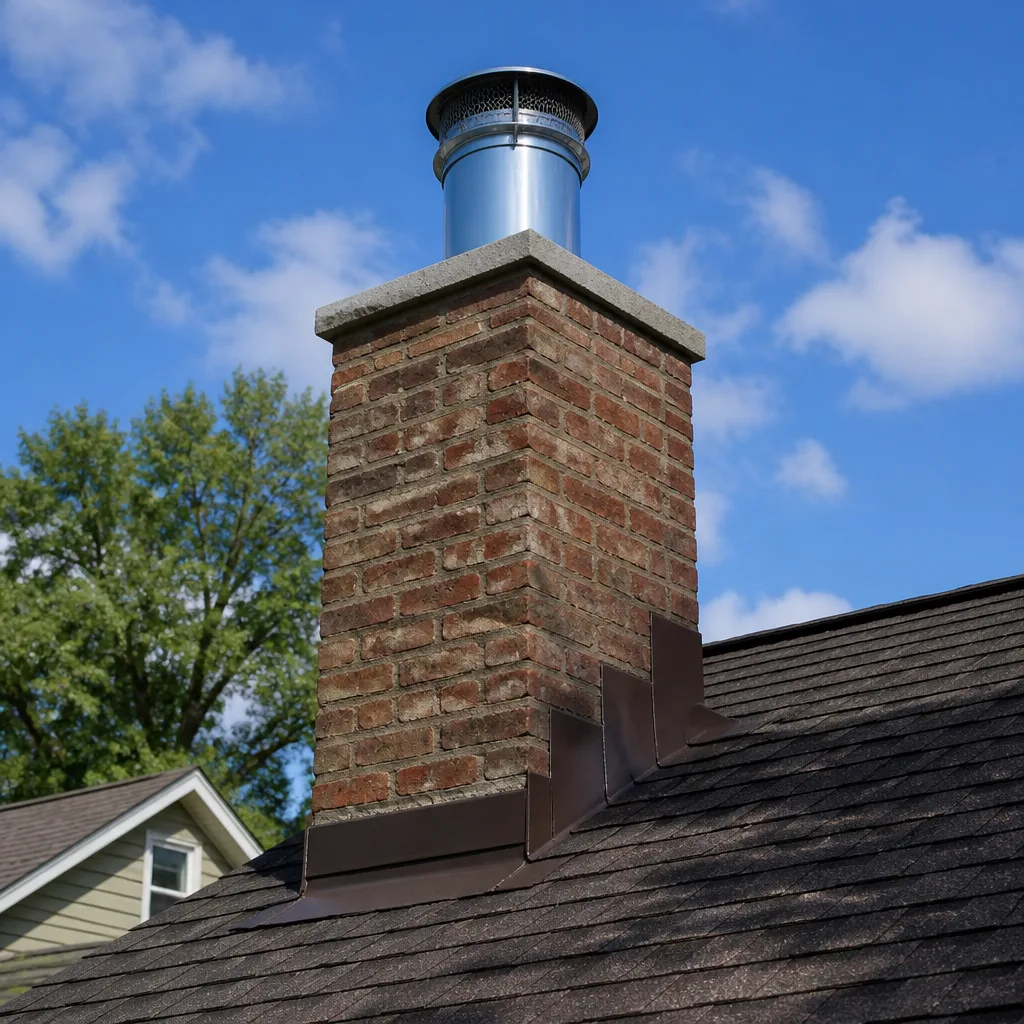 Flue relining
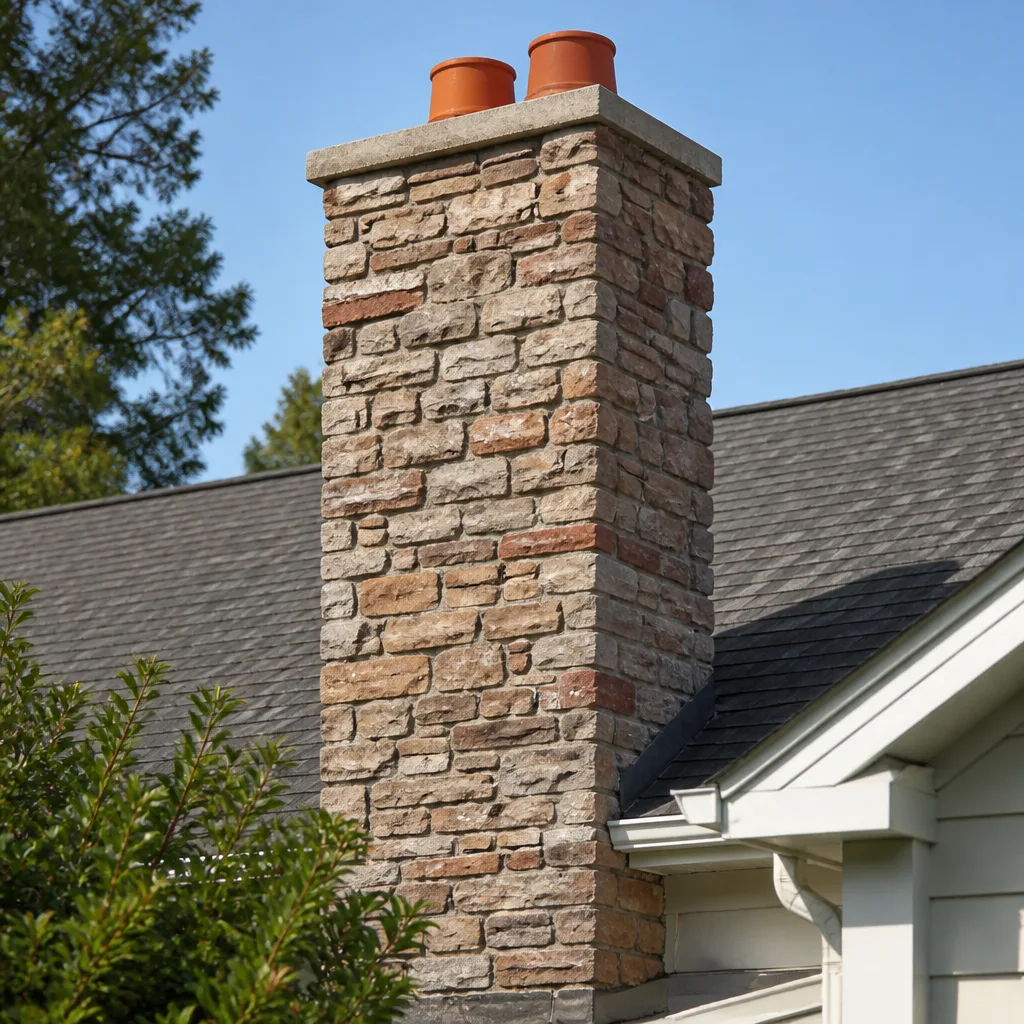 Masonry repair
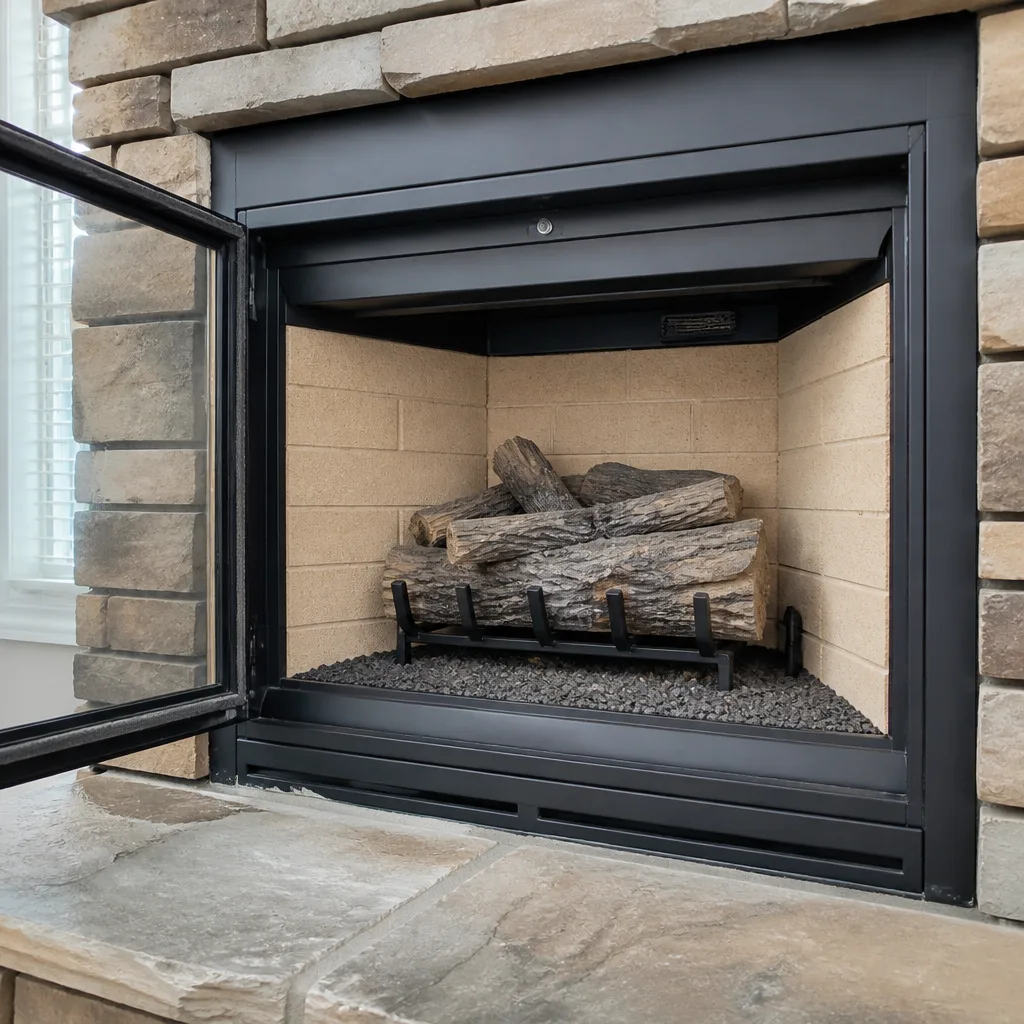 Gas fireplace service
Level 1 sweep and inspection to the NFPA 211 annual standard - flue, crown, cap, and flashing checked and photographed
Chimney sweep logs do not sweep chimneys. They loosen some creosote - which then falls where a brush and vacuum still have to collect it.
Chimney Cleaning Cost Breakdown: The Deltona Homeowner’s Reference for 2026
Two chimney sweep quotes for the same Deltona house can both read “$199” and still describe completely different jobs. One covers brushing only. The other includes a Level 1 camera inspection, HEPA vacuum containment, and a written report you can keep. Without knowing how to read the line items, homeowners pick the wrong one about half the time, and the gap doesn’t show up until something fails. This guide breaks down every line in a 2026 chimney cleaning quote, explains what moves the price up or down here in Deltona, and shows you how to compare bids on equal terms. By the end you’ll know exactly what you’re paying for and what to ask before you book.
Quick Answer
A standard chimney cleaning in Deltona in 2026 typically runs $180 to $350 for a wood-burning fireplace, with gas appliance sweeps often landing at the lower end. A Level 1 inspection is usually bundled into that price or adds $75 to $150 on its own, while a Level 2 camera inspection runs $150 to $400 depending on access. If a liner, crown, or cap needs work, expect $800 to $4,500 for the repair, quoted separately and set by a written estimate.
Styles & brands we work with
- Sweep & inspection
- Caps & crowns
- Flue relining
- Masonry repair
- Gas fireplace service
Table of Contents
- What’s Actually in a Chimney Cleaning Quote?
- What Makes One Deltona Chimney Cost More to Clean?
- Level 1 vs. Level 2 Inspections: What You’re Paying For
- What Cheap Cleaning Offers Usually Leave Out
- When a Cleaning Turns Into a Repair: Pricing for Liners and Caps
- How to Read a Multi-Service Bundle Quote
- How to Compare Two Chimney Quotes Line by Line
- Common Mistakes to Avoid
- Frequently Asked Questions
What’s Actually in a Chimney Cleaning Quote?
A chimney cleaning quote is really five separate line items, and each one can be priced in or left out. When you get a number for chimney cleaning in Deltona, ask which of these are included before you compare it to anything else.
The first line is the sweep itself: the labor and time to brush the flue, the firebox, the smoke chamber, and the damper area. That’s the piece people think of as “the cleaning,” and it’s typically the biggest share of the bill. The second line is containment: a HEPA vacuum and drop cloths to keep soot and dust inside the work area instead of settling on your furniture. Third is the inspection, which most professional sweeps roll into a cleaning as a Level 1 visual check. Fourth is the written report, with photos, that records what was found and what condition the flue is in. Fifth is the disposal of what comes out of the chimney, which is a legitimate cost that a lowball quote sometimes hides.
- Brushing and cleaning: flue, firebox, smoke chamber, damper. The core labor.
- Containment: HEPA vacuum, drop cloths, plastic sheeting. Keeps the house clean.
- Level 1 inspection: visual check of the accessible portions of the chimney and venting.
- Written report with photos: the document you keep for insurance, resale, and future reference.
- Debris removal: bagging and hauling off what comes down the flue.
In our experience across Deltona, the single biggest source of confusion is when a quote shows one number and doesn’t say which of these five it covers. A $199 offer that includes brushing and nothing else is a legitimate service at a legitimate price. It just isn’t the same product as a $299 quote that bundles inspection and reporting. Neither is dishonest. The wrong choice happens when you pick by number alone. When we quote a chimney sweep, we list what’s in every line so you can decide what you actually need.
What Makes One Deltona Chimney Cost More to Clean?
Two chimneys on the same Deltona street can cost $150 apart to clean, and the difference is almost always structural, not a matter of who’s being greedy. Four things drive the price: flue height, liner type, how much creosote has built up, and how easy the roofline is to reach.
Flue height and access. A single-story ranch with a simple roof pitch is a fast, straightforward sweep. A two-story home with a steep roof, a chimney set back from the ridge, or a screen cage in the way adds time, ladder work, and sometimes a second technician for safety. This is a real labor cost, not padding. Roof access is the number-one reason two quotes for the same house land at different prices.
Liner type. A clay-tile flue is the most common liner in Florida homes and cleans straightforwardly with the right brush. A stainless steel flexible liner, like a DuraFlex system, takes longer because the brushed debris has to be worked down the corrugations and off the flue walls carefully. A flue with no liner at all, or a badly deteriorated one, can’t be brushed at all until it’s addressed; it’s a repair call, not a cleaning.
Degree of creosote. Creosote is the tar-like residue from wood smoke, and it builds up in three recognizable stages.
- Stage 1: light soot and flaky powder. Brushes off easily. This is the normal yearly layer.
- Stage 2: hard, shiny, crusty deposits that take longer to brush out. Still removable with standard brushing.
- Stage 3: glazed, tar-like, baked onto the flue walls. This is the hard one. It takes far longer to remove, and glazed creosote is the material most associated with chimney fires. A sweep that finds Stage 3 will quote the removal time honestly, and the price will reflect it.
In Florida, wood-burning season is short and mild, but that doesn’t mean creosote stays thin. Homes where the fireplace is used heavily on cool winter evenings, especially with unseasoned wood, can build to Stage 2 or 3 over a couple of seasons. Gas fireplaces build different deposits, but they still need attention because the vent can clog with dust and debris. If your fire has been smoking into the room, that’s one of the reasons a sweep’s price may jump when they open the firebox and find a restricted flue.
The Deltona housing mix matters here too. This is a city of mostly ranch and two-story suburban homes built over several decades, and a homeowner in one neighborhood may have a straight clay flue while someone ten minutes away has a stainless liner. That’s why no one can give you a firm chimney cleaning price by phone without at least asking about your setup.
Level 1 vs. Level 2 Inspections: What You’re Paying For
The three inspection levels aren’t upselling tiers. They’re different scopes of work, and the price gap between them ($75 to $150 for Level 1 versus $150 to $400 for Level 2) reflects how much of the chimney a technician can actually see.
Level 1 inspection is the standard visual check done as part of an annual cleaning, or when nothing has changed. The technician examines the accessible portions of the chimney and venting: the firebox, the damper, the visible flue interior, the chimney exterior at ground level, and the cap. It doesn’t include a camera. That’s why it’s inexpensive and why it’s included in a good cleaning quote.
Level 2 inspection is a camera inspection of the flue interior, and it’s the one that pays for itself. It’s required whenever there’s a change in a chimney’s condition or use: a new appliance, a changed fuel type, a real estate transaction, or any event that could have damaged the chimney (a chimney fire you slept through, a severe storm, foundation shifting). A level 2 inspection needs a camera sent up the flue, and the technician reads what it sees: cracks, gaps in the liner joints, off-set flues, missing mortar. Those findings are the basis for any repair recommendation.
Level 3 inspection is rare and only happens when a Level 2 turns up a problem that can’t be assessed from inside the flue, and it may require opening up a wall. It’s a repair-scope decision, not a routine line item, and it’s priced per job.
- Level 1: visual check, included in a cleaning, no camera, no additional fee.
- Level 2: camera inspection, $150 to $400 as an add-on, required for real estate sales and after suspected damage.
- Level 3: invasive investigation, repair-scope, quoted per job.
A camera inspection is the difference between “it looks fine from here” and “we saw this exact crack in the flue liner.” If a company recommends a $1,800 repair after a cleaning and never shows you the flue, ask why. We show you what we find. Any repair recommendation should come with the camera footage and photos that justify it, and it should tell you plainly when a problem can safely wait and be watched instead.
What Cheap Cleaning Offers Usually Leave Out
A $99 or $149 chimney cleaning isn’t automatically a bad deal. It’s usually a legitimate service with a deliberately narrow scope, and the price signal tells you exactly how narrow. Knowing what the low bid omits is how you calculate its real cost.
The typical omissions on a discount sweep are consistent.
- No written report. You get a verbal “looks fine” and no document. When it’s time to sell the house, or when a future technician asks about history, there’s nothing to show.
- No HEPA vacuum containment. Soot goes wherever air pressure takes it. A sweep without proper containment can dust a whole room, and the cleanup cost is yours.
- No post-sweep camera pass. The technician brushes and leaves without verifying the flue is actually clean, which means glazed creosote or a cracked liner can go unnoticed.
- No Level 1 inspection included. The cleaning is the entire scope. If there’s a problem, it’s found only when something fails.
- No debris removal. What comes down the flue has to go somewhere. A quote that doesn’t name disposal may leave it in your yard or in a trash bag on your porch.
The real cost of choosing the low bid isn’t the $100 you saved. It’s the crack that went unseen for a season, the flue liner that deteriorated further, the creosote that reached Stage 3 because nobody looked. A sweep that includes inspection, containment, and reporting is priced higher because it does more, and it’s the one that gives you a safe-to-burn answer. If you’re comparing a $149 quote to a $299 quote, ask the $149 company exactly which line items above they include. The answer usually explains the gap, and it’s the single most useful question a Deltona homeowner can ask before booking.
When a Cleaning Turns Into a Repair: Pricing for Liners and Caps
A cleaning sometimes turns into a repair, and the price jump from a few hundred dollars to a few thousand surprises homeowners who weren’t warned. Here’s what the major repair categories actually cost in Deltona in 2026, and what triggers each one.
HeatShield ceramic resurfacing. HeatShield is a professional-grade ceramic resurfacing system applied to the interior of a clay flue to seal cracks and restore a smooth surface. It’s a specialized process, not a general repair, and it requires a trained applicator. It’s the middle option between a cleaning and a full liner: it extends the life of a clay flue that has cracked or eroded without tearing it out. Typical pricing runs $1,200 to $2,600 for a residential flue, depending on liner length and the number of flues. It’s triggered when a Level 2 camera inspection finds cracks or spalling in the clay tile that would let heat or gases escape. A general contractor usually can’t perform this; it’s a chimney-specialist repair.
DuraFlex flexible liner installation. When the clay flue is beyond resurfacing, a stainless flexible liner is the structural fix. DuraFlex is a flexible stainless liner system sized to the appliance and installed inside the existing flue to create a new, continuous venting path. Installation typically runs $2,400 to $4,500 for a single-flue residential job, depending on length, diameter, and the appliance it’s venting. It’s triggered when the existing liner is deteriorated, unlined, or otherwise can’t safely vent the appliance. This is a bigger job, but it’s the one that brings a failing chimney back into safe service, and it’s why a sweep that includes a camera inspection is worth the price: the alternative is finding out the hard way.
Cap replacement. A chimney cap keeps rain, debris, and animals out of the flue, and a rusted or missing cap is one of the most common findings on a Deltona chimney. Galvanized caps run $80 to $180 installed. A stainless or copper cap, such as a Copperfield or Olympia Chimney model, runs $150 to $350 depending on size and finish. This is a small job with real value, and it’s a legitimate reason a cleaning appointment ends with a quote.
Crown repair. The crown is the concrete or masonry cap on top of the chimney that sheds water. A cracked crown lets water into the chimney structure, which causes freeze-free but still serious deterioration. Crown repair typically runs $300 to $700, and full replacement runs higher. In Deltona’s climate, heavy summer rain is the main threat, so a crown that’s shedding water away from the chimney is doing important work.
One thing to hold firm on: none of these repairs should be recommended without camera or photo evidence you can see for yourself. And some of them can wait. If the camera shows a hairline crack in a clay flue that isn’t worsening, a resurfacing job is a plan, not an emergency. The written estimate should say what’s urgent, what’s not, and what to watch for.
How to Read a Multi-Service Bundle Quote
Bundle pricing can be genuinely good or quietly inflated, and the difference is whether the ancillary services are priced fairly or marked up to make the cleaning look discounted. A legitimate bundle prices each service at or near its standalone rate and lets the bundle total reflect the combined value. A less scrupulous one inflates the liner and cap to make the sweep appear to be a bargain.
Here’s how to tell them apart.
- Ask for the standalone price of each service. A fair quote can tell you what the cleaning costs on its own, what the cap costs alone, and what the liner costs alone. If the numbers only exist as a package, the markup is hidden.
- Check that the cleaning discount is real. A genuine bundle might take $30 to $50 off a sweep when bundled with a repair. A suspicious one shows a $700 liner marked down from “$1,200” and a $99 cleaning on top. The total is what matters, not the discount label.
- Compare the liner and cap line to the market. A DuraFlex liner installation in Deltona runs roughly $2,400 to $4,500. A Copperfield or Olympia cap is $150 to $350. If those lines are inflated above that range, the “free” cleaning isn’t free.
- Ask what isn’t included. Legitimate bundles tell you what’s excluded: debris removal, permits if required, or a second flue. The clearer the exclusions, the more honest the quote.
- Insist on the written estimate. The final price is set by the written estimate, not the verbal pitch, and a legitimate bundle puts every line in writing before you agree to any work.
A package that covers a cleaning, a Level 2 inspection, and a cap replacement at fair standalone prices, with a clear list of what’s included, is full-service chimney care done right. A package that makes the cleaning look free while inflating the liner is a marketing number. The line-item check above takes five minutes and tells you which one you’re looking at.
How to Compare Two Chimney Quotes Line by Line
Comparing two chimney quotes fairly means comparing line to line, not total to total. A $199 quote and a $349 quote might describe the same scope, or radically different ones. Here’s how to lay two bids side by side and know which is the better value for what you actually need.
Start by confirming that both quotes describe the same services in the same scope.
- Match the scope: does each quote include brushing, containment, a Level 1 inspection, and a written report? If one leaves out any of those, note it.
- Match the level: is the inspection Level 1 or Level 2? If one includes a camera and the other doesn’t, they’re not the same service.
- Match the access assumptions: do both quotes assume the same flue height and roofline access? Ask if the price changes if the roof is steep or the flue is taller than expected.
- Match the repair contingency: does each quote say what happens if the sweep finds a problem? A quote that specifies “repairs quoted separately per written estimate” is honest. One that says “repairs extra” without saying what might be found is vague.
- Check the credentials: is the company insured and bonded? Are the technicians licensed for the state? These are things you can ask and confirm before the job, and they’re part of what you’re paying for.
- Ask for the written estimate: the final price is set by it. If either quote comes only verbally, that’s a flag.
Once the scopes match, the lower price is usually the better deal for a straightforward sweep. When they don’t match, higher scope at a higher price can still win on value because the cheaper quote leaves you without the inspection and report that catch problems early. Our technicians have up to 9 years of experience, and in that time the pattern is consistent: the quotes that look most similar on the surface are often the most different underneath. Good chimney repair decisions start with a clear comparison, not a price race.
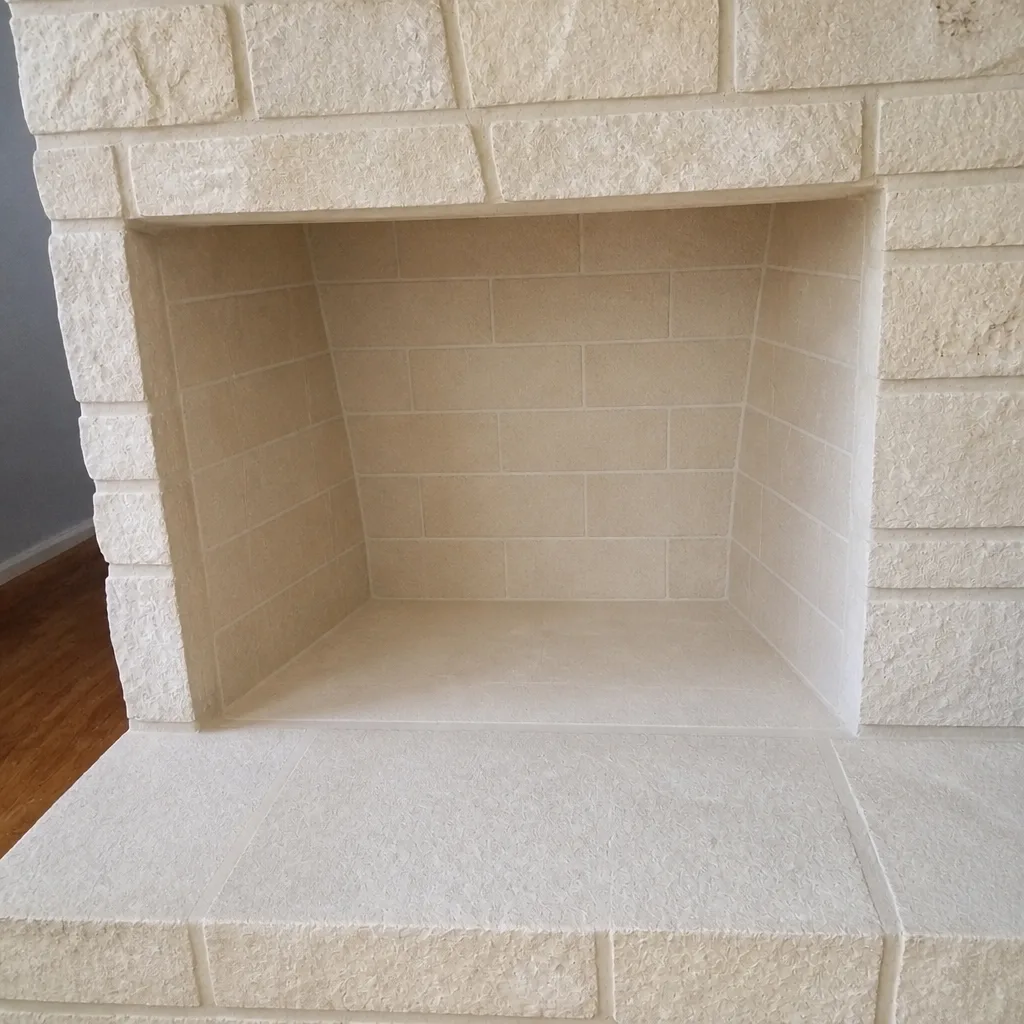
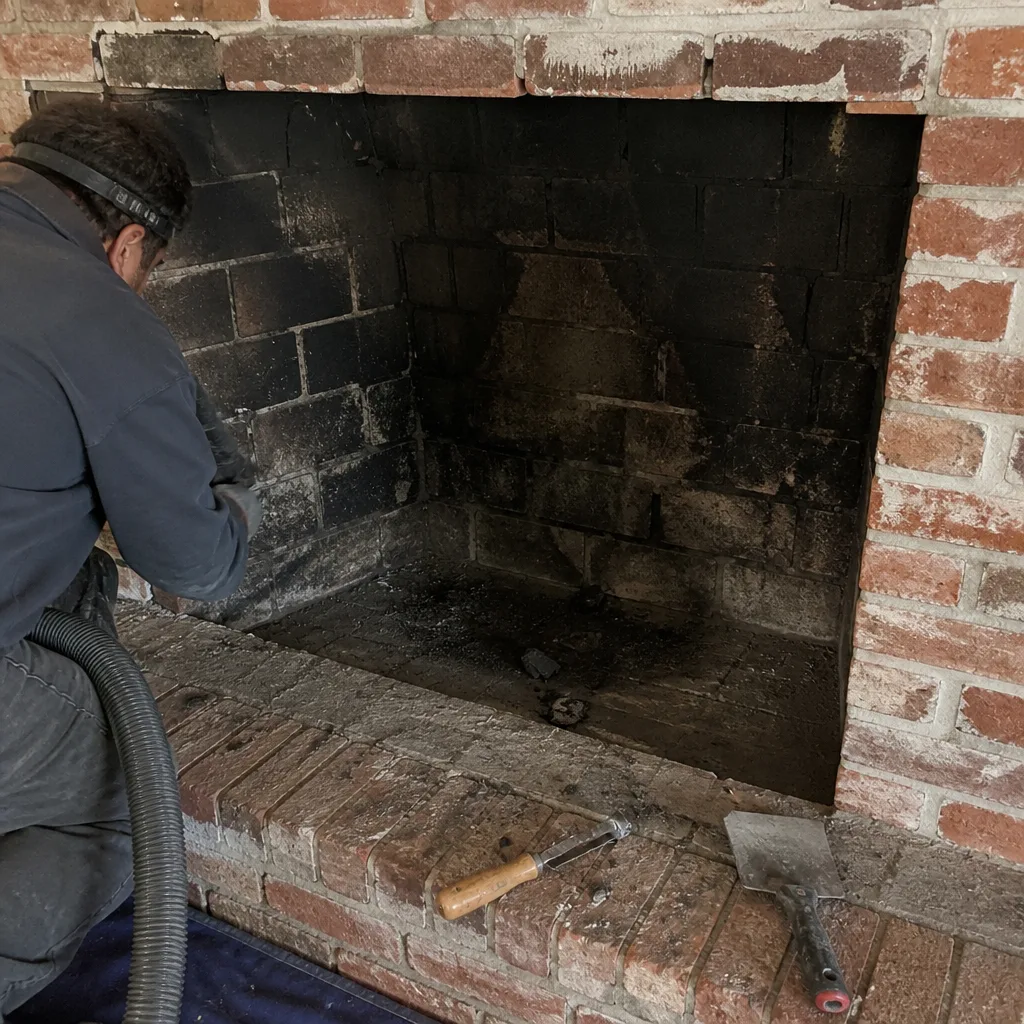
See the difference
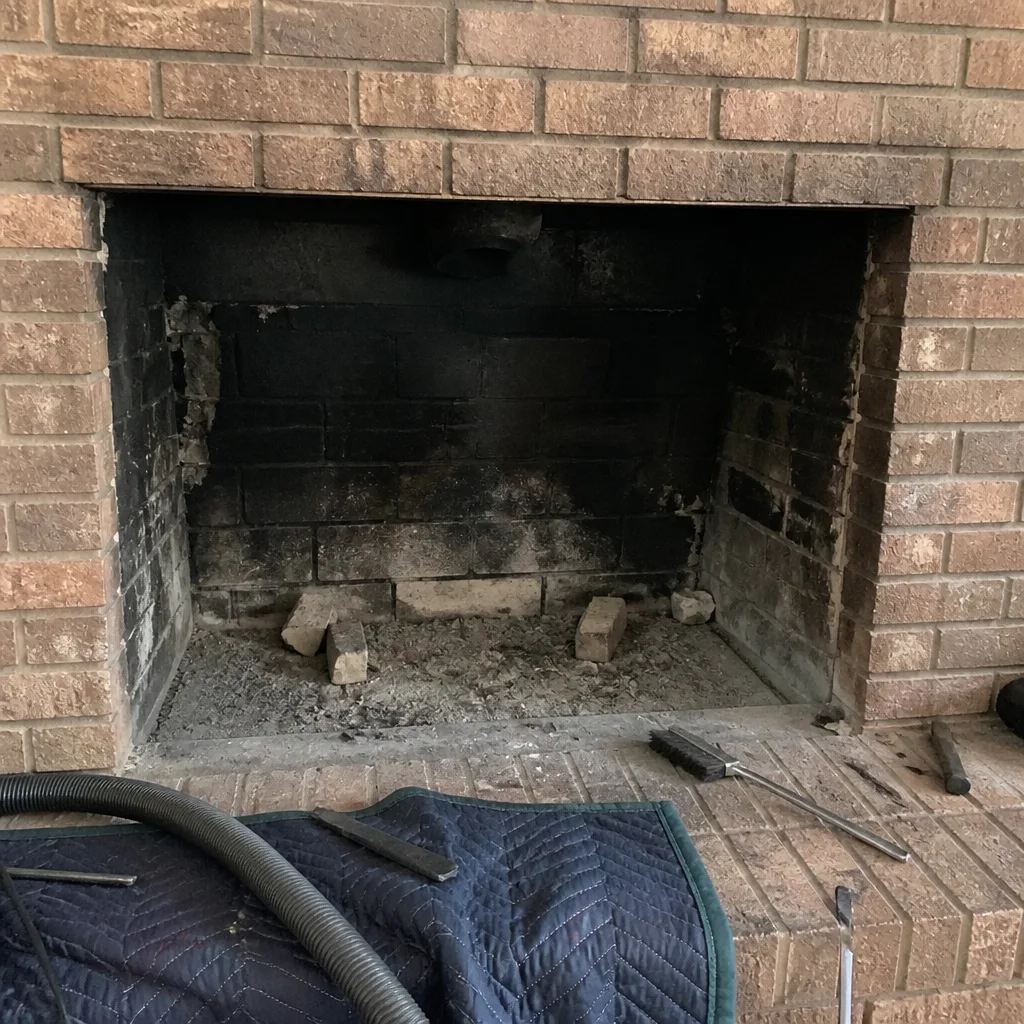 Before
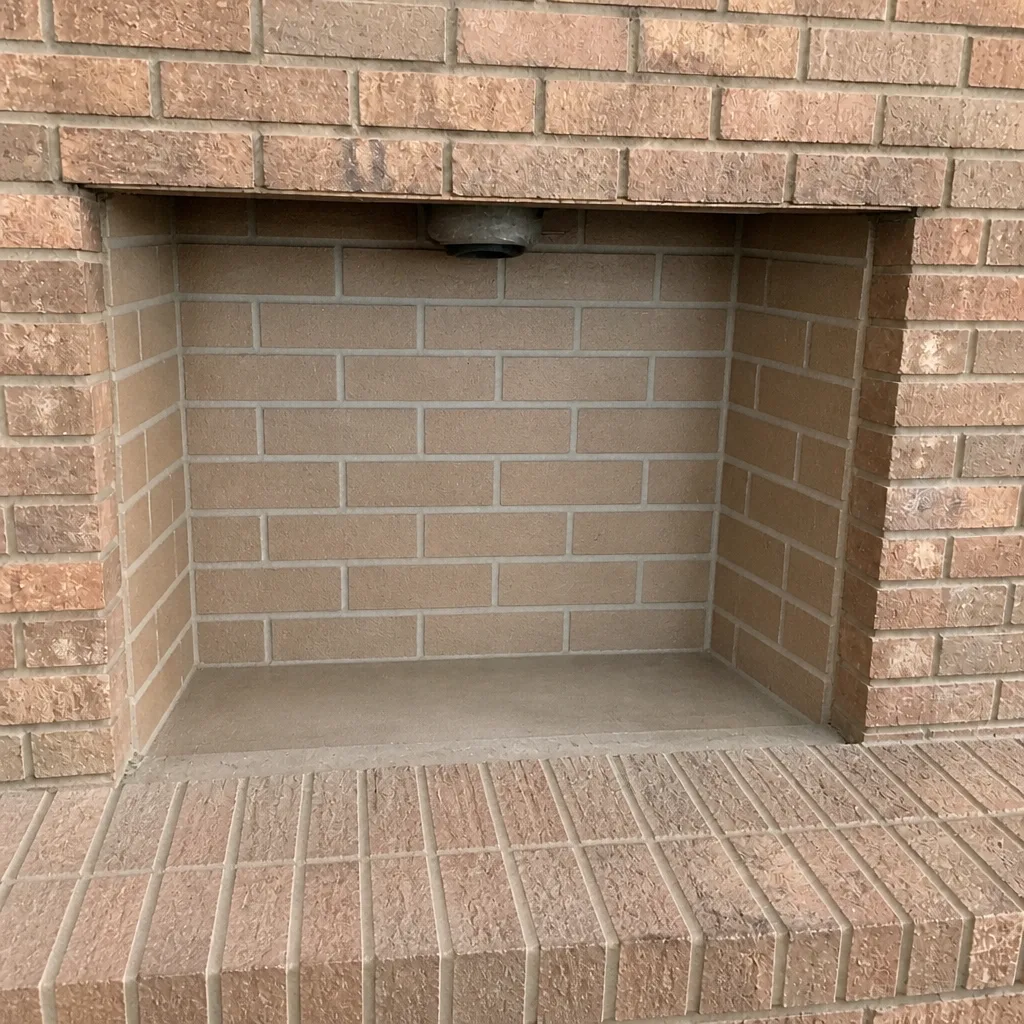 After
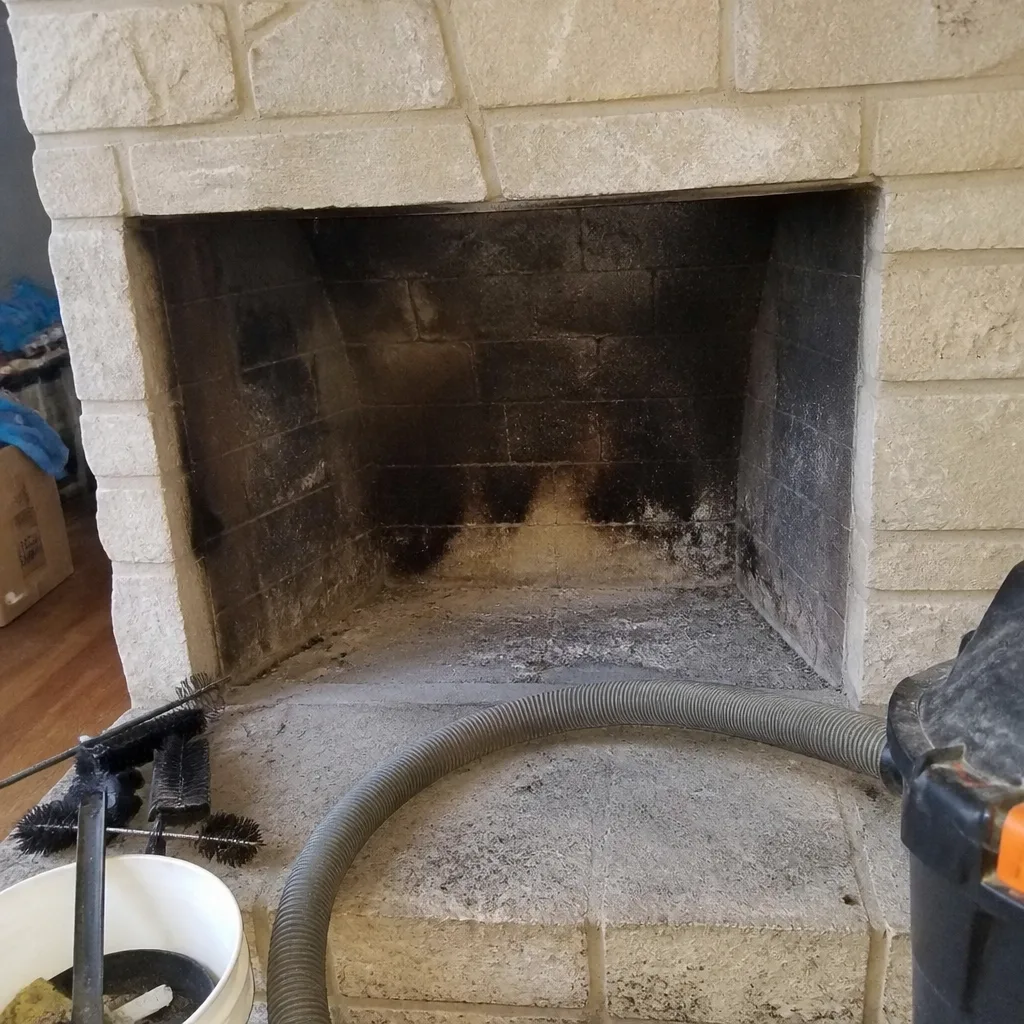 Before
 After
 Before
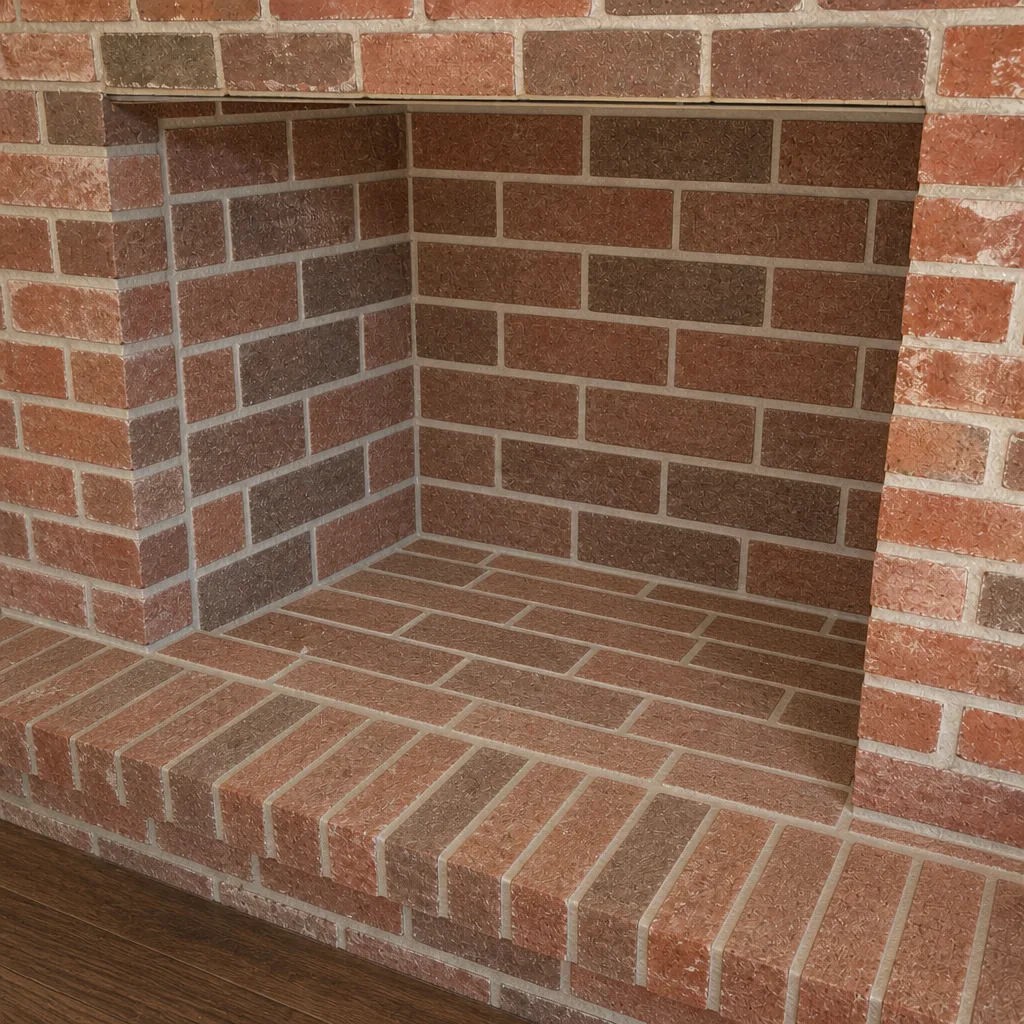 After
Common Mistakes to Avoid
- Picking the lowest number without reading the scope. A $149 quote that covers cleaning only and a $299 quote that covers cleaning plus inspection aren’t the same product. Compare the line items, not the totals, before you decide.
- Skipping the camera inspection. A Level 1 visual check can’t see cracks or gaps deep in the flue. If you’ve never had a camera inspection, or the chimney has changed (new appliance, storm damage, real estate sale), budget for a Level 2 and don’t let a cheap quote talk you out of it.
- Believing “it’s fine” without evidence. In Deltona, a verbal all-clear is not a written report. Ask for the photos and the report, and treat any repair recommendation without visible camera evidence as something to question.
- Treating a cleaning as the whole job. A cleaning is one appointment in a chimney’s life. The inspection, the report, and any repair or cap replacement are the rest of it, and skipping them is how small problems become expensive ones.
- Ignoring the cap. A missing or rusted cap lets rain, leaves, and animals into the flue. In Deltona’s summer rain, that’s a direct path to water damage and blocked venting. A $150 cap is one of the cheapest safety items on a chimney.
- Letting a bundle quote hide inflated line items. If the cleaning looks free and the liner looks expensive, ask for the standalone prices. The total is what you’re paying, not the discount label.
- Forgetting what creosote actually is. Glazed, Stage 3 creosote is the material most associated with chimney fires, and it builds fastest in homes that burn often with unseasoned wood. A sweep that brushes but doesn’t look for it is only doing half the job.
When to Call a Professional
Some chimney work is a reasonable annual appointment. Some of it needs a trained professional now. Call a professional when you can smell smoke in the room when the fire is out, when the fire smokes back into the house, when you see black or shiny deposits inside the firebox, or when you hear a chimney fire (a low roar, a rattle, or a sound like a train). Call if the chimney has a cracked crown, a missing cap, or visible damage to the masonry, and call if you’re buying or selling a home in Deltona and the chimney’s condition is unknown. The high-tension and structural parts of chimney work (liner installation, resurfacing, structural repair) are not DIY-safe; the heat and carbon monoxide risks of a bad repair are real. Chimney Sweep Deltona offers free estimates in Deltona; call (888) 458-8065 and we’ll go through what you’re seeing.
Frequently Asked Questions
A standard chimney cleaning in Deltona in 2026 typically costs $180 to $350 for a wood-burning fireplace, with gas appliance sweeps often at the lower end. A Level 1 inspection is usually included, and a Level 2 camera inspection adds $150 to $400. Call (888) 458-8065 for an exact quote; estimates are free.
A liner replacement is needed when the existing flue can’t safely vent the appliance, and that determination should come from camera footage you can see. If a company recommends a DuraFlex liner without showing you the flue interior and explaining what it found, ask for the evidence before you decide. A genuine recommendation comes with photos. Call (888) 458-8065 and we’ll show you what we find before we recommend a repair.
Once a year is the standard for a wood-burning fireplace in use, and gas fireplaces should be inspected annually even though they produce less creosote. Homes that burn heavily or use unseasoned wood may need more frequent attention because creosote builds faster. If you can’t remember your last sweep, book one and find out where the flue stands. Call (888) 458-8065 for an exact quote; estimates are free.
Skipped cleanings let creosote build toward the glazed stage most associated with chimney fires, and they let small cracks or gaps go unnoticed until they become structural problems. You also lose the written record of your chimney’s condition that helps at resale. None of that is a scare tactic; it’s what a camera inspection finds when a chimney goes unattended. Call (888) 458-8065 and we’ll check your flue and tell you what’s safe to wait on.
Not necessarily. A $99 or $149 cleaning is usually a legitimate, narrow-scope service: brushing only, without the inspection, written report, or HEPA containment a professional sweep includes. The question isn’t whether it’s a scam; it’s what’s missing from the scope. Ask the company exactly which line items are included before you book, and call (888) 458-8065 if you’d like to compare what a full-scope cleaning includes.
Sometimes. A cleaning and a cap replacement, or a cleaning and a crown repair, can often be handled in one appointment if the materials are on hand. A liner resurfacing or DuraFlex installation is a scheduled job quoted separately, because it depends on the diameter and length of your flue. We’ll quote it per job in writing and tell you what can happen the same day and what needs a scheduled return.
The Bottom Line
Chimney cleaning pricing in Deltona in 2026 is opaque for one reason: quotes bundle and unbundle services inconsistently, so two numbers that look alike often describe different jobs. Remember the five line items (brushing, containment, inspection, written report, debris removal) and compare scope first, price second. Budget $180 to $350 for a standard cleaning, $150 to $400 if a camera inspection is warranted, and treat any liner, cap, or crown work as a written-estimate repair that should come with evidence. The cheapest cleaning is only the better value when it includes the parts that catch problems early. When you’re ready to compare on equal terms, call (888) 458-8065. We answer 24/7. Fast dispatch from 7am to 7pm, Sunday through Friday.
Chimney Sweep Deltona is a full-service chimney specialist: Chimney Sweep Deltona handles annual sweeps, structural repairs, and safety inspections in one relationship. We use professional-grade materials from DuraFlex, HeatShield, Gelco, Olympia Chimney, Famco, and Copperfield, and we show you what we find before we recommend any repair. When you’re ready, call (888) 458-8065 for a free estimate.
Written by the team at Chimney Sweep Deltona.