
Last updated November 15, 2026
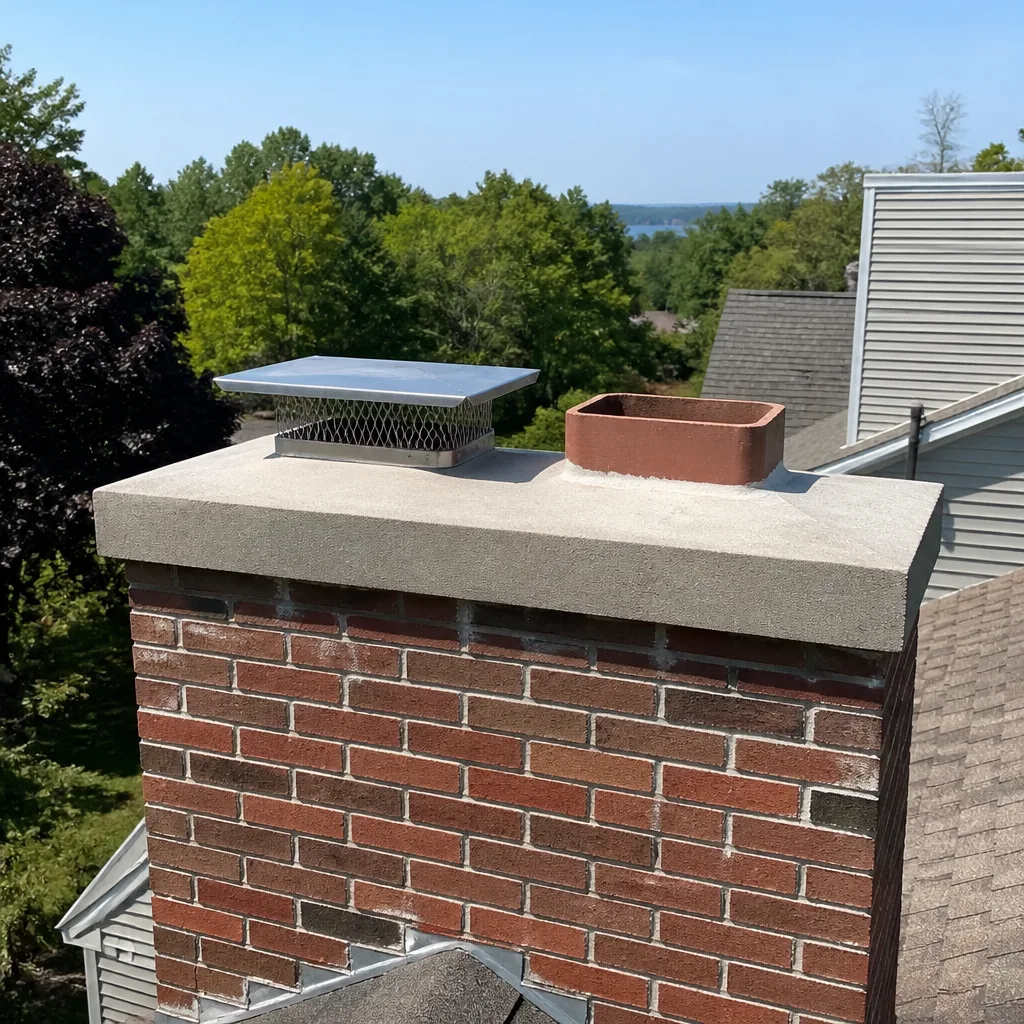 Sweep & inspection
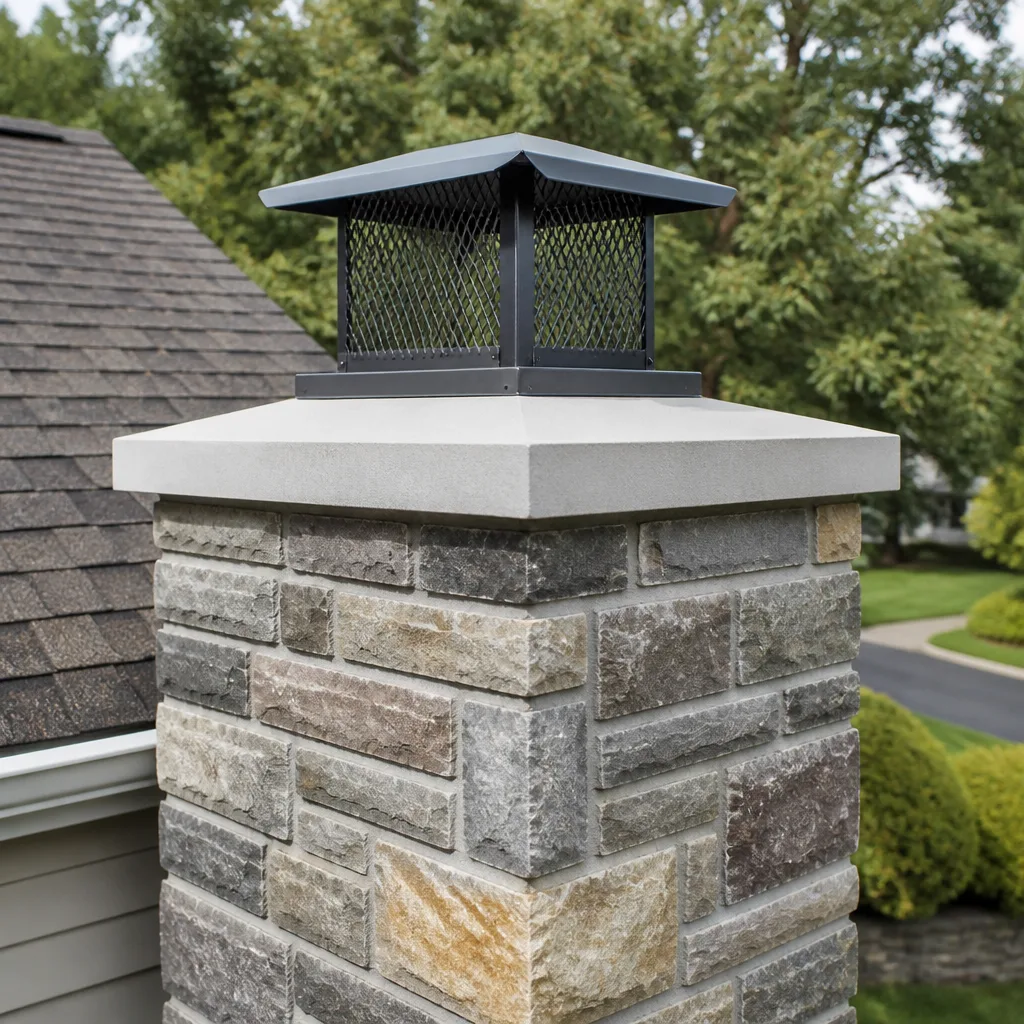 Caps & crowns
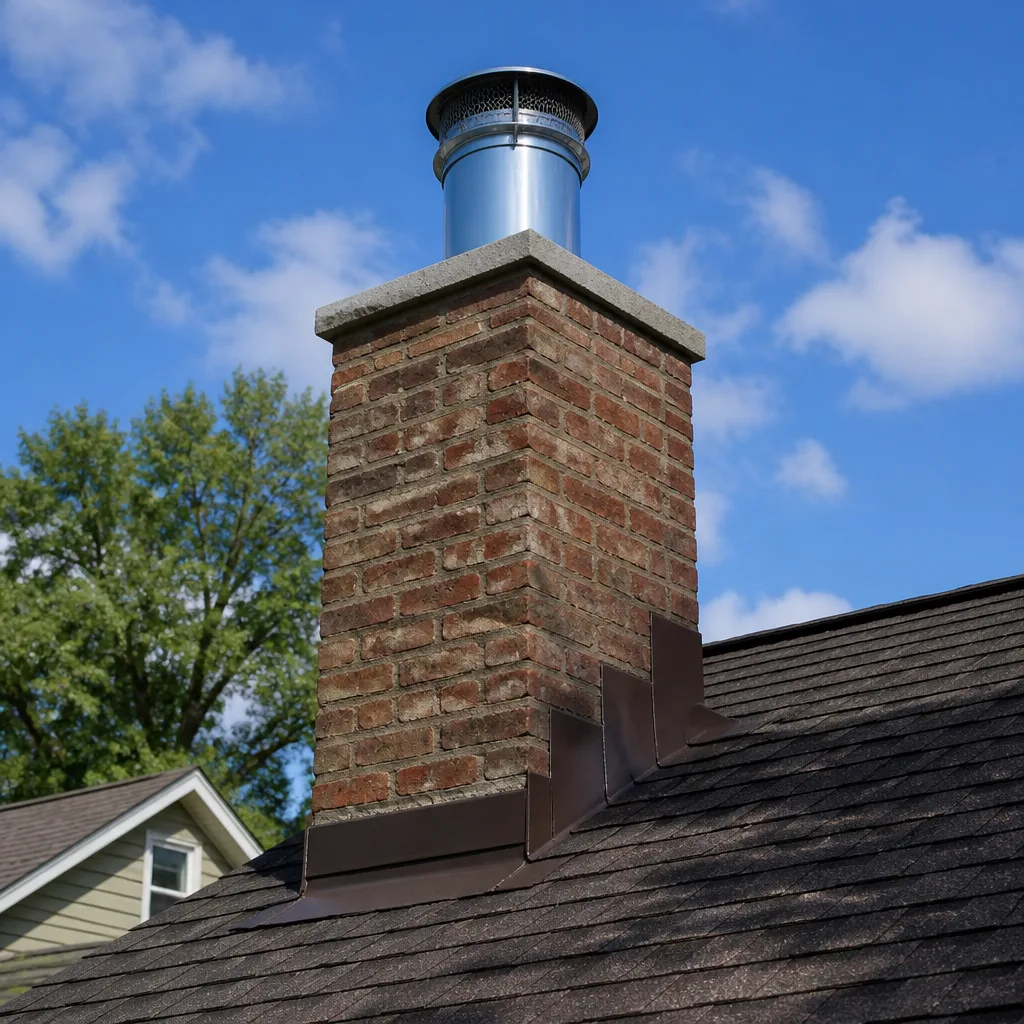 Flue relining
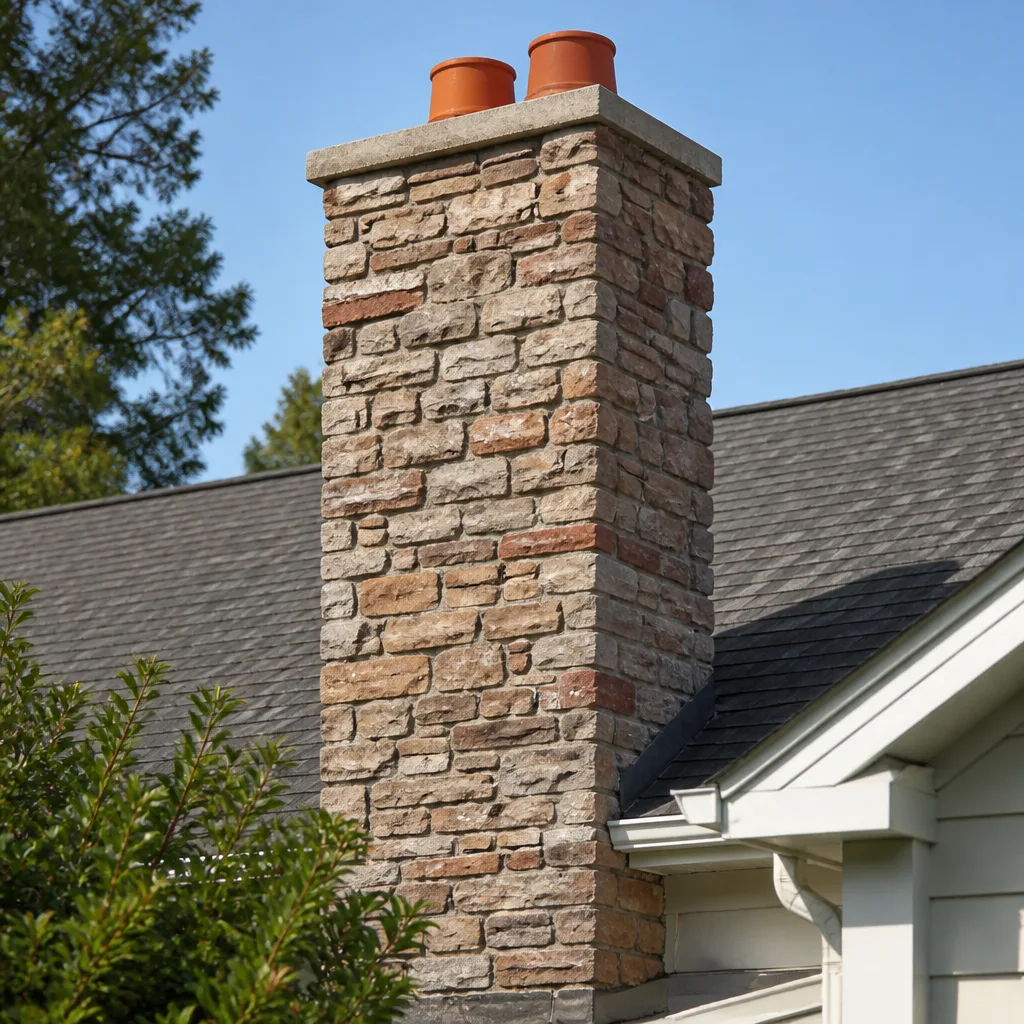 Masonry repair
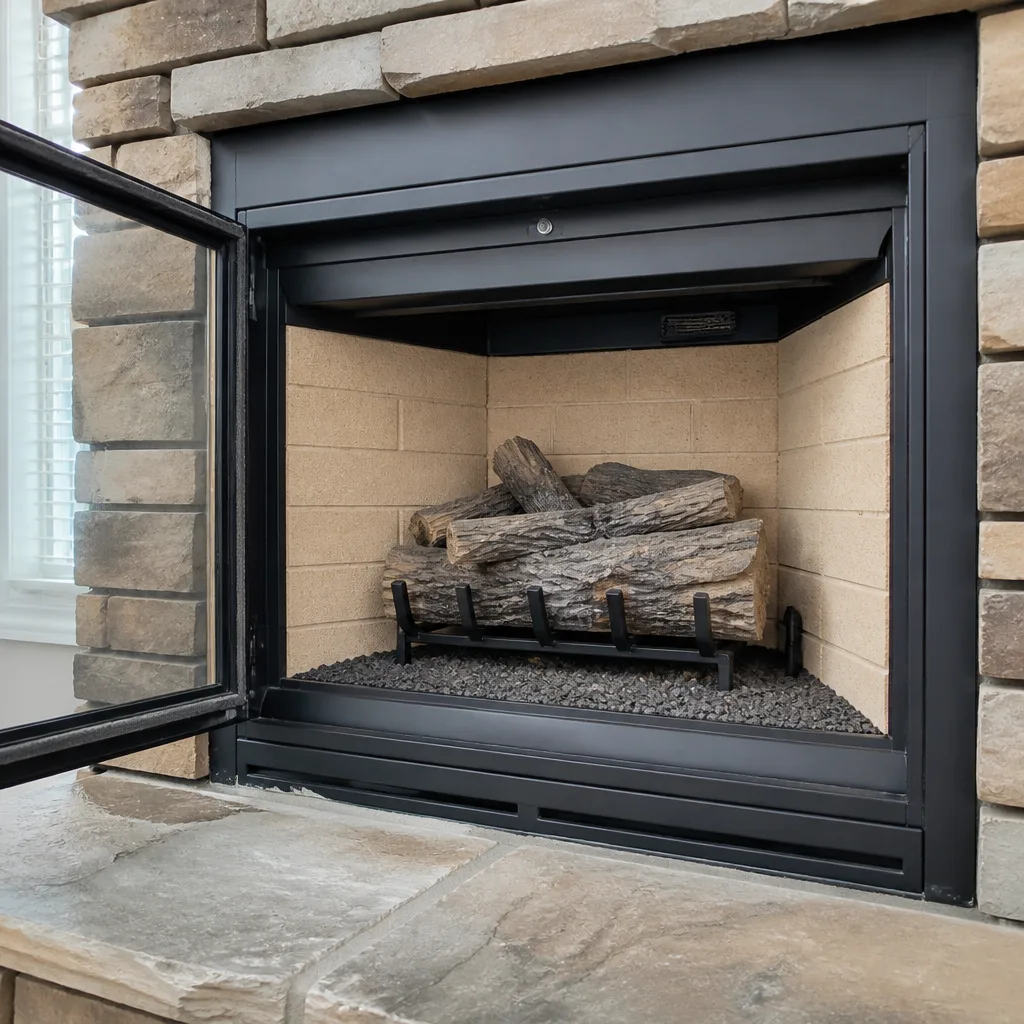 Gas fireplace service
Level 1 sweep and inspection to the NFPA 211 annual standard - flue, crown, cap, and flashing checked and photographed
Chimney sweep logs do not sweep chimneys. They loosen some creosote - which then falls where a brush and vacuum still have to collect it.
Chimney Cleaning Emergency Preparedness Guide for Deltona Homes
Most homeowners in Deltona think of chimney emergencies as fire events, and that’s the misconception worth correcting first. In our experience around Volusia County, the calls that flood the phone lines in the days after a named storm have little to do with a chimney fire. They’re about caps torn loose, water pouring into flues, debris jammed into the crown, and the sudden smoke spillage that shows up the first cold night after a hurricane passes. The sweeps get booked solid, appointments stretch out, and the homeowners who fare best are the ones who knew what to check from the ground, what to photograph, and which signs mean the fireplace stays cold until a professional clears it. This guide gives you that protocol: the 48-hour post-storm routine, the emergency stop-use criteria, and exactly what to tell a sweep when you call.
Quick Answer
A chimney emergency in Deltona is any condition where burning a fire could send smoke or carbon monoxide into the living space, or where the chimney structure is compromised after a storm. After a named storm passes, spend the first 48 hours checking from the ground with binoculars, photographing the cap, crown, and exterior for insurance, and stopping all fireplace use if you see a shifted cap, a cracked crown, visible creosote staining, or smell smoke indoors. Only a professional sweep can clear a damaged flue for safe burning.
Styles & brands we work with
- Sweep & inspection
- Caps & crowns
- Flue relining
- Masonry repair
- Gas fireplace service
Table of Contents
- What Counts as a Chimney Emergency in Deltona?
- The 48-Hour Post-Storm Protocol
- Emergency Stop-Use Criteria
- Preparing Your Chimney Before a Named Storm
- What to Tell a Sweep When You Call
- Why Timing Matters: Sweep Before the First Cold Snap
- Carbon Monoxide and Chimney Fire: What They Look and Smell Like
- Common Mistakes to Avoid
- When to Call a Professional
- Frequently Asked Questions
What Counts as a Chimney Emergency in Deltona?
A chimney emergency is any condition that lets smoke, carbon monoxide, or fire escape the flue into the house, or any storm-related damage that has compromised the chimney’s structure. In Deltona the list of true emergencies is shorter than most people assume, but the consequences of ignoring one are serious enough that it pays to know the line.
Chimney fires are the obvious category. A slow-burning chimney fire may sound like a low rumble or a roar, and you might hear popping or crackling coming from the flue. From outside, you may see dense smoke or flames at the top of the chimney, and from inside you may smell a sharp, hot, tarry odor. Creosote that has built up over a season of burning is the usual fuel, which is why an annual chimney sweep matters so much in this climate where burning is seasonal but creosote accumulates regardless.
Carbon monoxide is the quieter emergency. A blocked or damaged flue can vent CO back into the living space. Symptoms in a household setting are headache, dizziness, nausea, and confusion that ease when people leave the home and return when they come back. Treat that pattern as a professional matter immediately.
The third category is storm damage. A named storm can shift a cap, crack a crown, drive debris into a flue, or loosen flashing at the roofline. Any of those can turn the first fire of the season into a smoke event. In Deltona the risk is genuine because so many homes have masonry chimneys that see a full year of sun, rain, and wind between uses.
The 48-Hour Post-Storm Protocol
In the first 48 hours after a named storm passes, you can assess a lot from the ground without touching anything on the roof. This is the window when damage is most visible and professional sweep schedules are tightest, so a homeowner who goes through the checklist below is already ahead of most callers.
A pair of binoculars, a phone, and a notepad are all you need. Never climb on a wet roof after a storm. A trained technician is the only person who should be up there.
- Look at the chimney cap from the ground. A Gelco or Famco cap that has shifted, tilted, or disappeared entirely leaves the flue open to rain and debris. Note any change from how it looked before the storm.
- Inspect the crown and the mortar joints visually. A cracked crown or a missing chunk of mortar is a water-intrusion point. Photograph it clearly even if it looks minor.
- Check the flashing at the roofline. Torn or lifted metal flashing, or any staining on the ceiling below, is a sign water has found a way in.
- Walk the interior looking for water stains. Check the ceiling around the chimney, the firebox, and the damper area. Any brown ring or damp spot means the chimney assembly has been compromised.
- Smell the firebox. A sharp, acrid tarry smell that wasn’t there before the storm can indicate creosote has been disturbed or a flue has cracked and let moisture in.
- Photograph everything. Document the condition of the chimney from the ground, all four sides if possible, and any interior staining. Date-stamp the photos. This is your insurance baseline for a damage claim.
- Do not light a fire until you’ve completed the checklist and either confirmed no damage or heard from a sweep. A test fire after a storm is a gamble that can cost you far more than waiting.
If you get through the checklist and everything looks normal, that doesn’t automatically mean the flue is clear. A sweep’s camera inspection is the only reliable way to check the interior of a flue for obstruction, cracked tiles, or displaced debris. The ground check is a triage tool, not a clearance.
Emergency Stop-Use Criteria
These are the conditions where you stop burning entirely and call for a same-day or next-available professional clearance. Do not schedule this for “whenever fits” and do not assume the next cold snap is a good time to test it. Each of the conditions below is a hard stop.
- Smoke spilling into the room from any part of the chimney or appliance connections. Smoke that shouldn’t be there means the flue is blocked, damaged, or not drafting. Stop burning and call.
- A roaring or rumbling sound from the chimney during a fire, or dense smoke and flames visible at the top. Treat as a chimney fire in progress. Get everyone out of the house, call the fire department, and after they clear the scene call a sweep before anyone burns again.
- Headache, dizziness, or nausea that clears when you leave the house and returns when you come back. Suspected carbon monoxide exposure. Exit the home, call emergency services, then have the flue inspected and the appliance checked before restarting use.
- A visible shift, tilt, or removal of the cap, or missing mortar around the chimney crown. The flue is open to the weather. Stop burning.
- Water staining on the ceiling around the chimney, or visible water in the firebox. Water intrusion has likely reached the chimney interior. Stop burning.
- Any creosote smell after a storm that wasn’t there before. The flue may have been compromised. Stop burning pending inspection.
- Debris visible in the firebox or damper area after a wind event (leaves, twigs, grit blown in). Stop burning until a sweep confirms the flue is clear.
The rule to hold onto: when in doubt, stop burning. You lose nothing in Deltona by waiting a few days in a mild-winter climate. You lose a lot by testing a damaged flue on the first cold night with the family asleep.
Preparing Your Chimney Before a Named Storm
Preparation in Deltona is about protecting the chimney from wind-driven rain and debris, and about having a documented baseline so a post-storm evaluation and any insurance conversation are simple. A few specific tasks go a long way before the first forecast triggers a hurricane watch.
Start with the cap. A properly fitted Gelco or Famco cap keeps rain, leaves, and small animals out of the flue and reduces the chance that a wind gust shifts the assembly. If the cap is loose or absent before the storm arrives, that’s a repair worth doing ahead of the weather rather than after.
Next, seal the damper and close the firebox. A closed damper limits the amount of wind-driven rain and debris that can enter the flue. Cover the firebox opening with a towel or plastic tarp and tape it in place if the chimney is prone to downdraft. Note that a damper is a smoke control, not a watertight seal, so this is a mitigation, not a guarantee.
Document the pre-storm condition. Walk the exterior of the chimney and photograph the cap, crown, flashing, and mortar from the ground. Note any pre-existing crack or stain and date the photos. If you file a claim after the storm, this baseline distinguishes storm damage from wear that pre-dated it, and that distinction matters.
Have the chimney swept and inspected before storm season reaches its peak. Autumn is the natural time in Deltona to schedule a chimney sweep appointment because creosote from last season is still in the flue and the weather is still workable. Getting the sweep done before the season’s peak means you’re not competing for scheduling slots in the 48 hours after a storm passes.
What to Tell a Sweep When You Call
The single most useful thing you can do when you call is give the technician a structured report on what changed. That’s what lets a sweep triage whether your situation needs same-day service or can safely wait a day or two. Vague calls get vague scheduling.
Include the following in the order it happened:
- What kind of storm passed and how long ago. A fast-moving squall with high wind vs. a slow rain event changes the likely damage profile.
- What you saw from the ground. Cap condition, crown, flashing, mortar. Be specific.
- What you smelled. A tarry creosote odor, smoke, damp, or nothing.
- What you heard during the storm. Popping, scraping, a sudden thump, or nothing unusual.
- Any water or stain on interior ceilings and walls. Photograph and describe it.
- Any smoke spillage, soot marks above the firebox, or a change in how the fireplace drafts. This includes “it didn’t used to smell like that when we lit a fire.”
- Whether the chimney is masonry or prefabricated, and roughly when it was last swept. If you don’t know, say so. It still shapes the technician’s first visit.
When you call, our team will ask for the same information. If we hear anything from the stop-use list above, we’ll tell you to stop burning pending a professional evaluation. Same-day service is often possible for genuine emergencies during dispatch hours. We answer 24/7, with fast dispatch from 7am to 7pm, Sunday through Friday.
Why Timing Matters: Sweep Before the First Cold Snap
In Deltona, the annual chimney rhythm is unusual compared to northern markets. Winters here are mild, so the burning season is short and the fireplace sits idle for most of the year. That idle time matters because creosote doesn’t wait for you to light a fire again. It sits in the flue through the humid months, and corrosion, roof leaks, and nesting animals find it just as readily as wind does.
The practical consequence is that a chimney swept in late fall is still working from a full year of prior buildup plus whatever the off-season added. Getting the sweep done in the late summer or early fall gives you a clean flue for the burning season and clears the accumulated creosote before the first cold night, when every household in the area is calling at once.
Consider what a cold snap does to scheduling. The first genuinely cool evening after a long summer sends a wave of calls into every sweep in Volusia County. Homeowners who already had their sweep and inspection done in September are the ones who aren’t waiting. Those who didn’t call until the cold arrived are typically the ones with a two-to-three-week backlog to work through.
Our technicians have up to 9 years of experience between them, and the pattern repeats every year. The calls that turn into emergencies almost always come from chimneys that haven’t been swept in more than a season. The calls that turn into routine service come from chimneys that were cleaned and inspected before the weather turned.
Carbon Monoxide and Chimney Fire: What They Look and Smell Like
Recognizing a chimney fire or a carbon monoxide problem in the first minute changes what happens next. Both have specific, describable signals, and knowing them by name is worth more than owning a detector alone.
What a chimney fire looks like, sounds like, and smells like
- Sound: A low roar or a rumble coming from the flue, plus popping or crackling that sounds like it’s coming from the chimney rather than the firebox. Sometimes a loud “whoosh” when the fire is first lit.
- Smell: A sharp, hot, tarry odor inside the house. It’s different from a normal woodsmoke smell; think hot asphalt or a burning tire.
- Sight: Dense or discolored smoke at the top of the chimney, sparks, or visible flame at the chimney top. You may also see creosote-flake soot on the roof or ground below the chimney.
- Signs in the firebox afterwards: Warped damper, cracked flue tiles, discolored metal, or a “puffy” creosote appearance (honeycombed, expanded).
A slow-burning chimney fire may go out on its own or may not, and the damage it leaves behind can be serious. Even if you think a fire has stopped, call the fire department to confirm, then book a sweep inspection before you burn again.
What carbon monoxide from a chimney looks like
You can’t see carbon monoxide. What you can notice is the pattern of symptoms in the household: headaches, dizziness, nausea, and confusion that ease when people are out of the house and return when they come back inside. A sooty or smoky smell or a haze in the room near the fireplace, combined with those symptoms, is a red flag. A CO detector going off is a stronger one. Leave the home, call emergency services, and do not relight the fire until a sweep and the appliance have been checked.
Our approach to both is the same: we show you what we find. A camera inspection and photo report before any repair recommendation is not a sales tactic, it’s how a homeowner can verify the need for themselves. If the flue is clear and the chimney is sound, we say so. If it needs a DuraFlex liner or a HeatShield resurfacing, we show you the condition in the photo report and explain why.
Common Mistakes to Avoid
Most of the emergency calls we handle in Deltona trace back to a handful of avoidable decisions. Each one is worth naming.
- Testing the fireplace after a storm “to see if it works.” A test fire in a damaged flue does exactly what the damage already set up. Do the ground check and wait for a professional clearance instead.
- Climbing on the roof to check the cap. A wet roof after a storm is a fall risk and the cap is easy to damage further. Binoculars from the ground give you 90% of the information a sweep needs on the initial call.
- Skipping the pre-storm photo baseline. Without pre-storm photos, a post-storm insurance claim becomes a negotiation about what was already cracked. Ten minutes of ground-level photographs before every named storm costs nothing and matters enormously later.
- Waiting for “the first cold night” to test the chimney. That timing puts you in the longest scheduling backlog of the year. A late-summer sweep gives you a clear flue and time to fix what the inspection finds.
- Assuming a cap is fine because it’s still on the chimney. A cap can shift enough to let wind-driven rain in even without falling off. Check for tilt, not just presence.
- Ignoring a smoke smell in the firebox between uses. A tarry, sharp smell that wasn’t there before is a signal of creosote disturbance or water intrusion. It’s not a “burn-through” problem; it’s an inspection trigger.
- Using a general handyman to sweep or inspect the flue. Chimney work is a specialty. Our team works with six recognized professional brands including DuraFlex, HeatShield, Gelco, Olympia Chimney, Famco, and Copperfield, and each was chosen for a specific reason in the specific job. A generalist can’t verify flue condition to the same standard.
When to Call a Professional
Call when the fireplace spills smoke into the room, when a chimney fire has occurred (even a suspected one), when anyone in the home has had symptoms consistent with carbon monoxide, when the cap or crown has visibly shifted or cracked, when you see water staining around the chimney, or when debris has entered the firebox. These are the stops, not the wait-and-sees.
Also call after any named storm that produced significant wind or rain in Deltona, even if nothing looks wrong from the ground. A camera inspection and photo report are the only way to know whether the flue is clear and the liner is intact. For routine service, a pre-season sweep keeps a chimney out of the emergency category entirely.
Chimney Sweep Deltona offers free estimates in Deltona, covering chimney sweep, chimney repair, and inspection in one relationship, so you’re not coordinating separate vendors for a sweep and a repair. Call (888) 458-8065. We answer 24/7. Fast dispatch from 7am to 7pm, Sunday through Friday.
Frequently Asked Questions
A chimney emergency is any condition where smoke, carbon monoxide, or fire can escape the flue into the living space, or where storm damage has compromised the chimney’s structure. The hard stops are smoke spilling into the room, a roaring sound or dense smoke during a fire, suspected CO symptoms, a shifted cap or cracked crown, and water staining around the chimney. When in doubt, stop burning and call for a professional inspection.
Check from the ground with binoculars, not on the roof. Look at the cap for shift or loss, the crown for cracks, the flashing for lifted metal, the mortar for missing chunks, and the interior ceiling for water stains. Photograph everything you see and date it. Any of those signs means stop burning pending a professional inspection. Call (888) 458-8065. We answer 24/7. Fast dispatch from 7am to 7pm, Sunday through Friday.
Yes, if the storm produced significant wind or rain. Damage often happens without a visible rooftop signal, particularly inside the flue where debris can shift and the liner can crack. A camera inspection is the only reliable way to know. A post-storm inspection in Deltona is often a short visit, but it’s the one step that lets you safely use the fireplace again.
Yes. A blocked, cracked, or poorly drafting flue can vent CO back into the living space even when the fireplace appears to function normally. The warning signs are a headache, dizziness, or nausea that eases when you leave the house and returns when you come back inside. If you notice that pattern, leave the home, call emergency services, and have the chimney and appliance checked before relighting.
Have a short structured report ready: what kind of storm passed and when, what you saw from the ground (cap, crown, flashing, mortar condition), what you smelled (tarry creosote, smoke, or damp), what you heard during the storm, and any interior water staining or smoke spillage. That information lets a sweep triage your situation, which is what distinguishes a same-day call from a routine booking. Call (888) 458-8065. We answer 24/7. Fast dispatch from 7am to 7pm, Sunday through Friday.
Once a year for a chimney that sees regular use, and again after any named storm that produced significant wind or rain. In Deltona, the mild winters mean the fireplace sits idle for long stretches, so a pre-season sweep in late summer or early fall clears the accumulated creosote and gives you time to handle anything the inspection finds. Year-round use of a gas fireplace still warrants an annual inspection and cleaning.
The Bottom Line
The biggest chimney risk to a Deltona home isn’t a chimney fire, it’s the storm damage and creosote buildup that turns the first cold-night fire into a smoke event. Handle it in this order: get the sweep and inspection done before the season, do the ground-level photo baseline before any named storm, run the 48-hour post-storm checklist after it passes, and stop burning immediately if any of the emergency stop-use conditions apply. That sequence is what keeps a homeowner out of the three-week appointment backlog. When a professional is needed, our team is trained to walk through the full chimney lifecycle in one relationship: sweep, repair, inspection. We use materials from DuraFlex, HeatShield, Gelco, Olympia Chimney, Famco, and Copperfield and explain why each was chosen for your job. We show you what we find before we recommend anything. Call (888) 458-8065 for a free estimate. We answer 24/7. Fast dispatch from 7am to 7pm, Sunday through Friday.
Written by the team at Chimney Sweep Deltona.
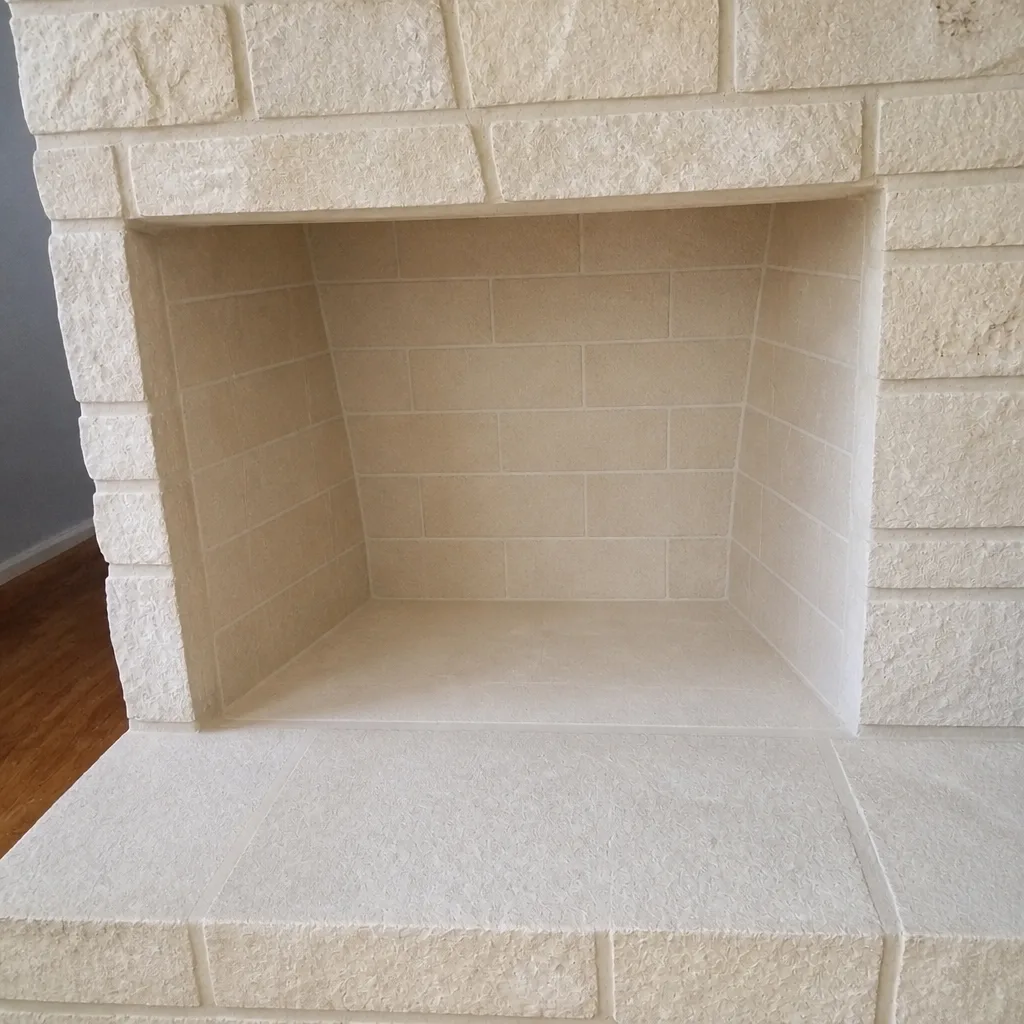
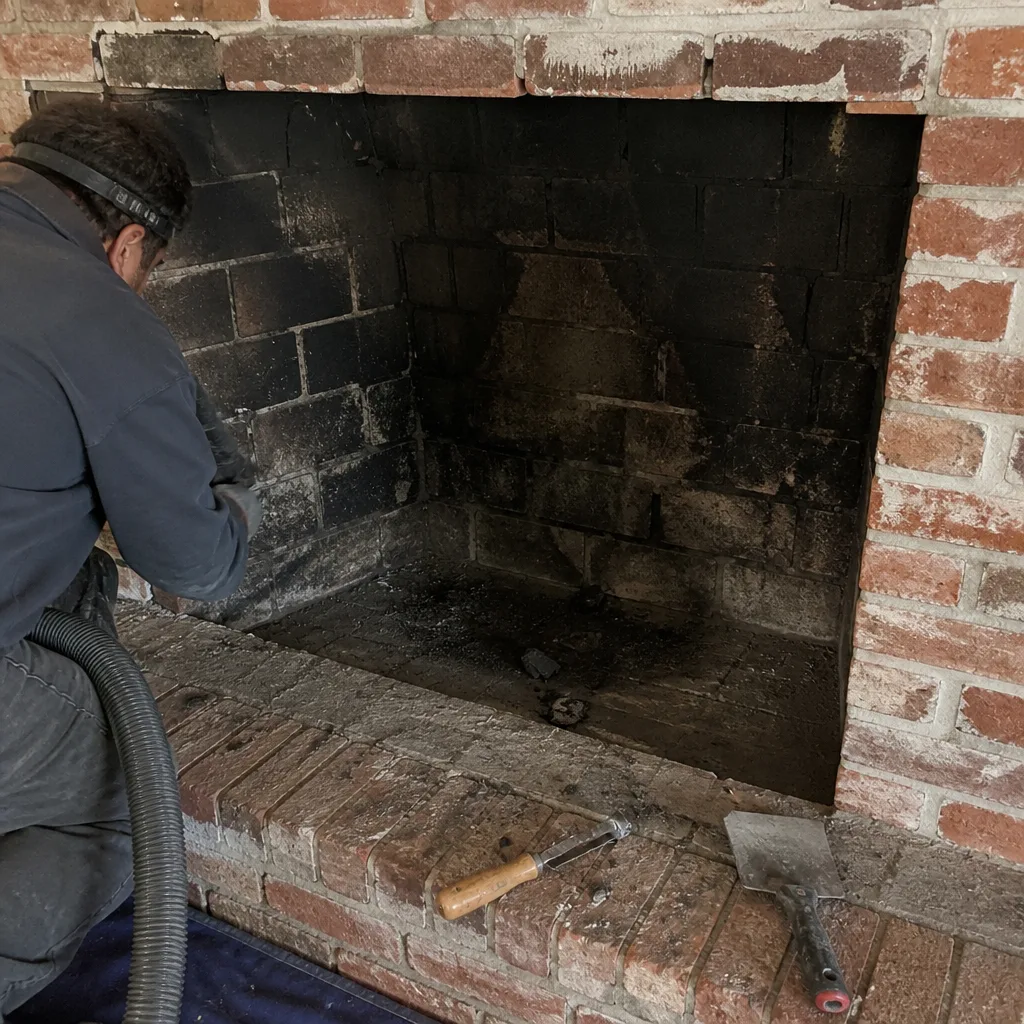
See the difference
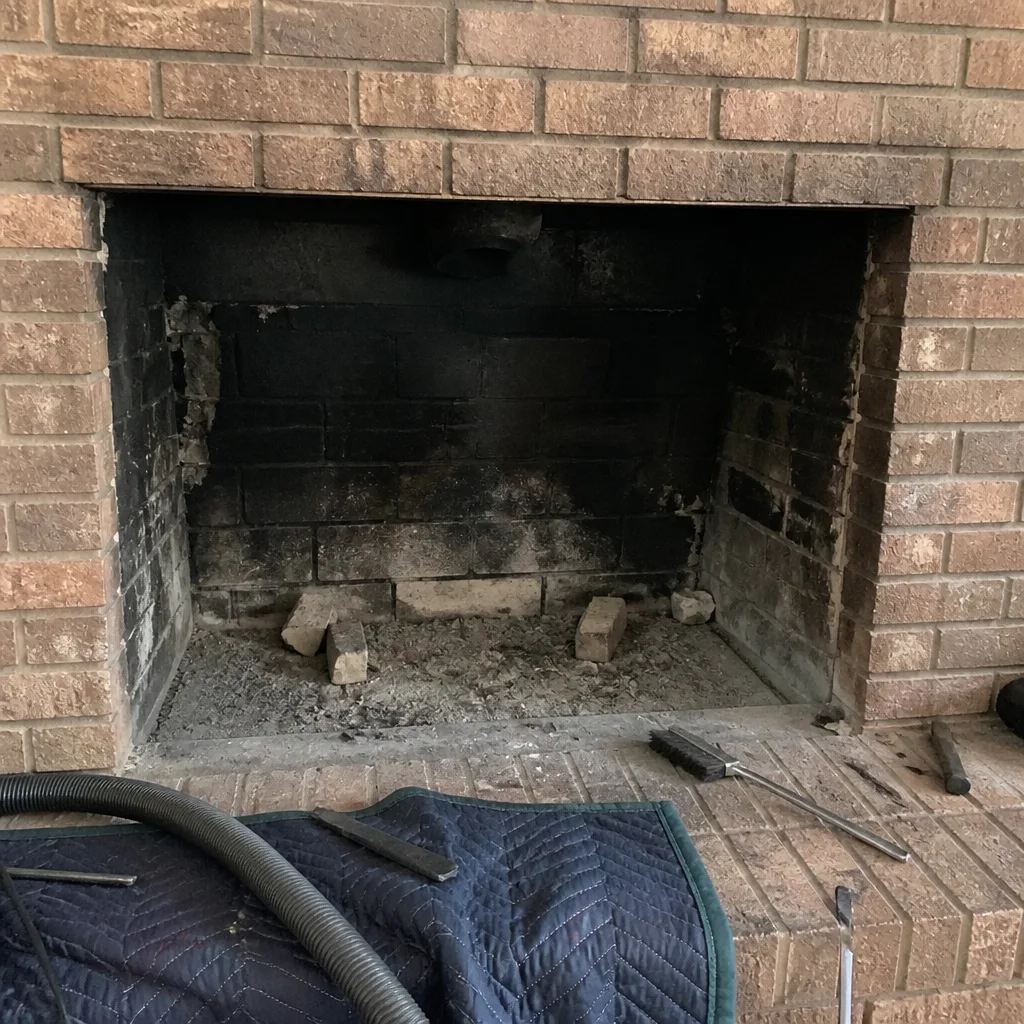 Before
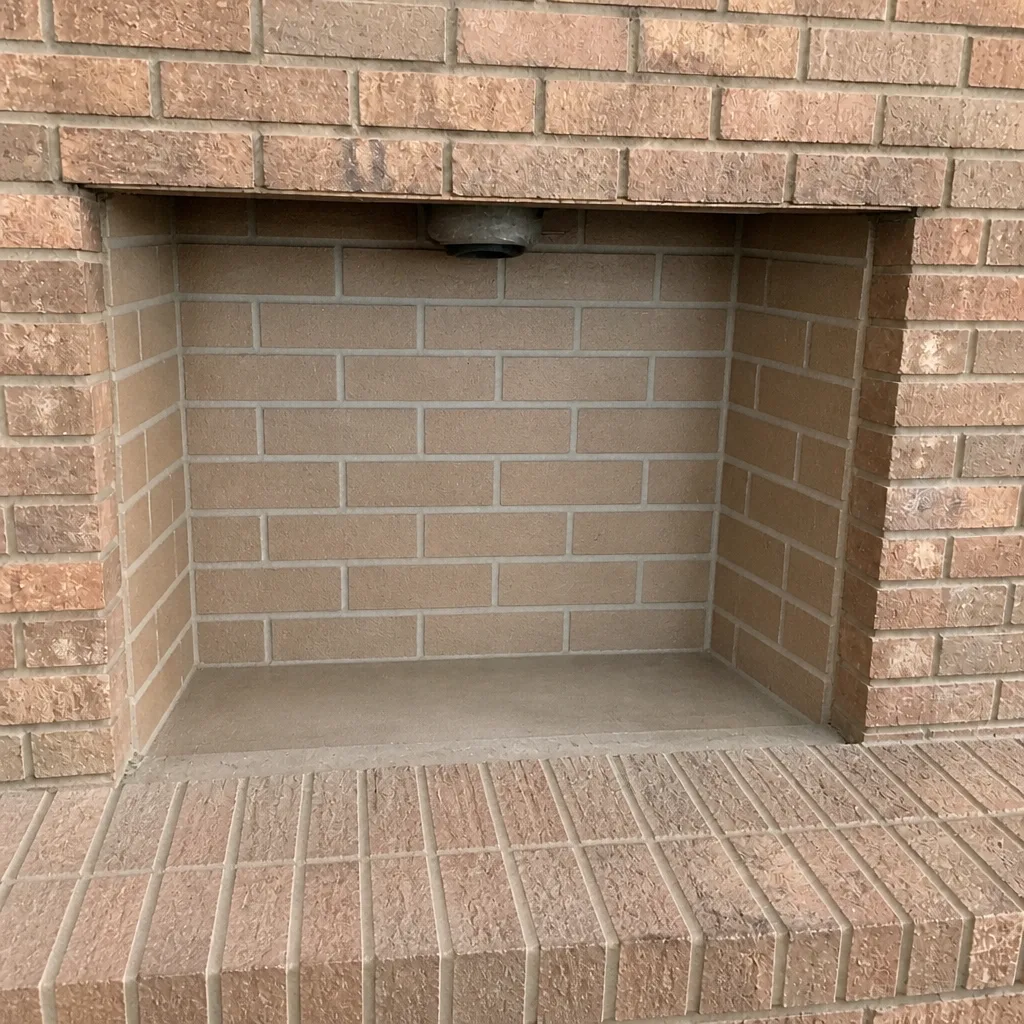 After
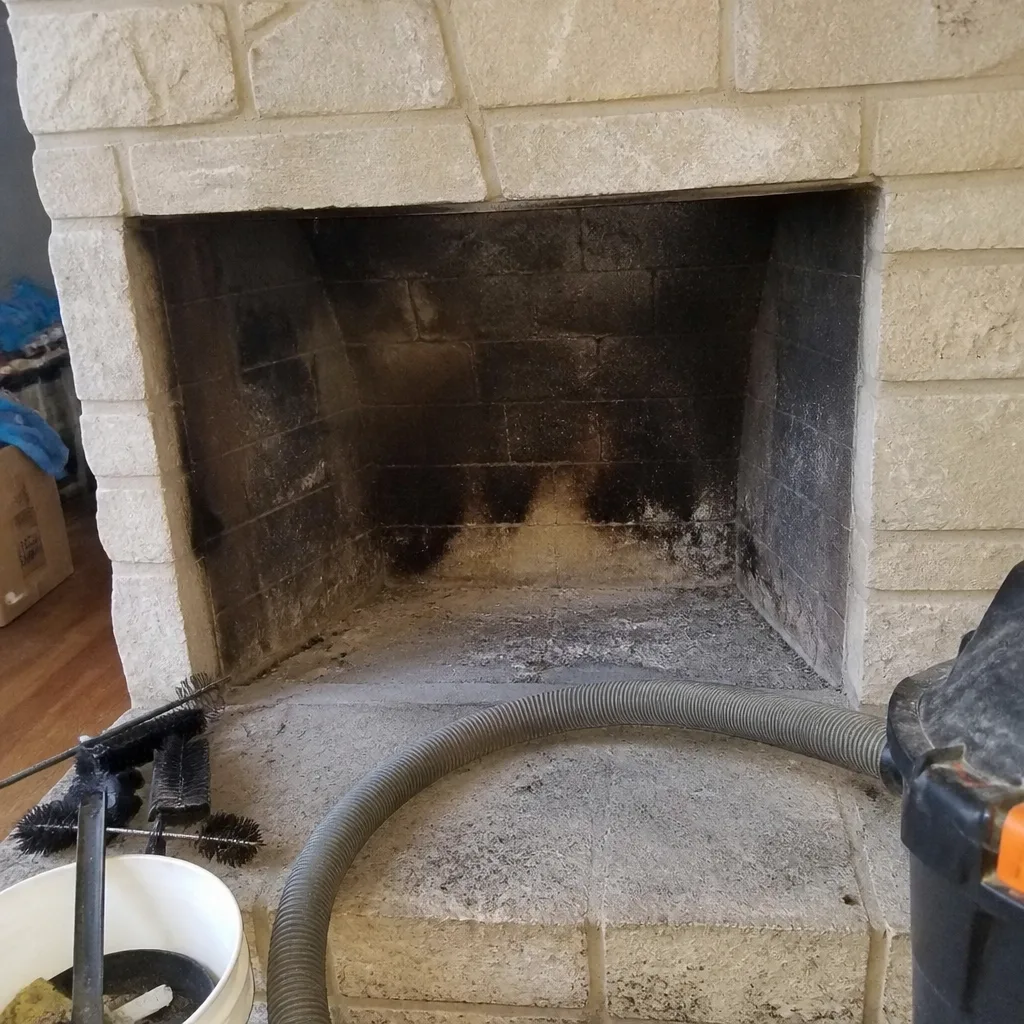 Before
 After
 Before
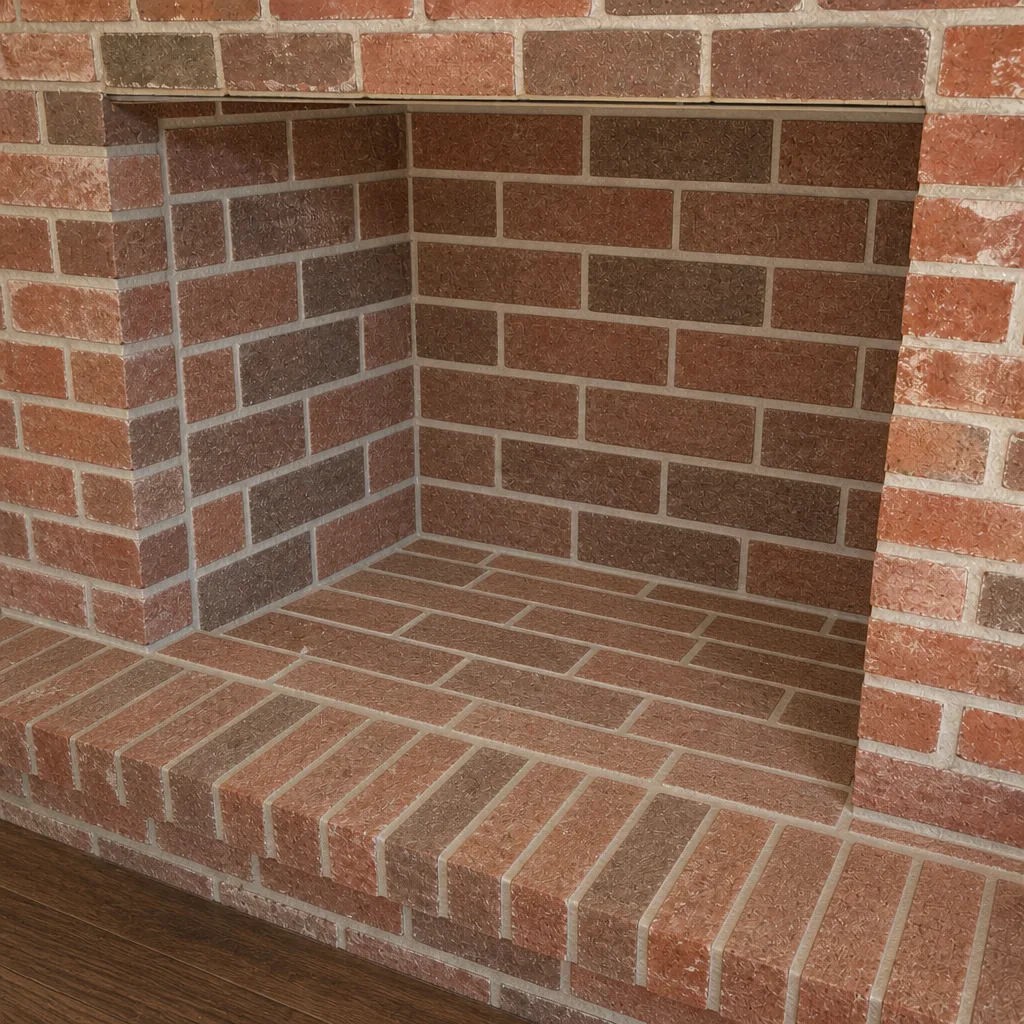 After