
Last updated November 15, 2026
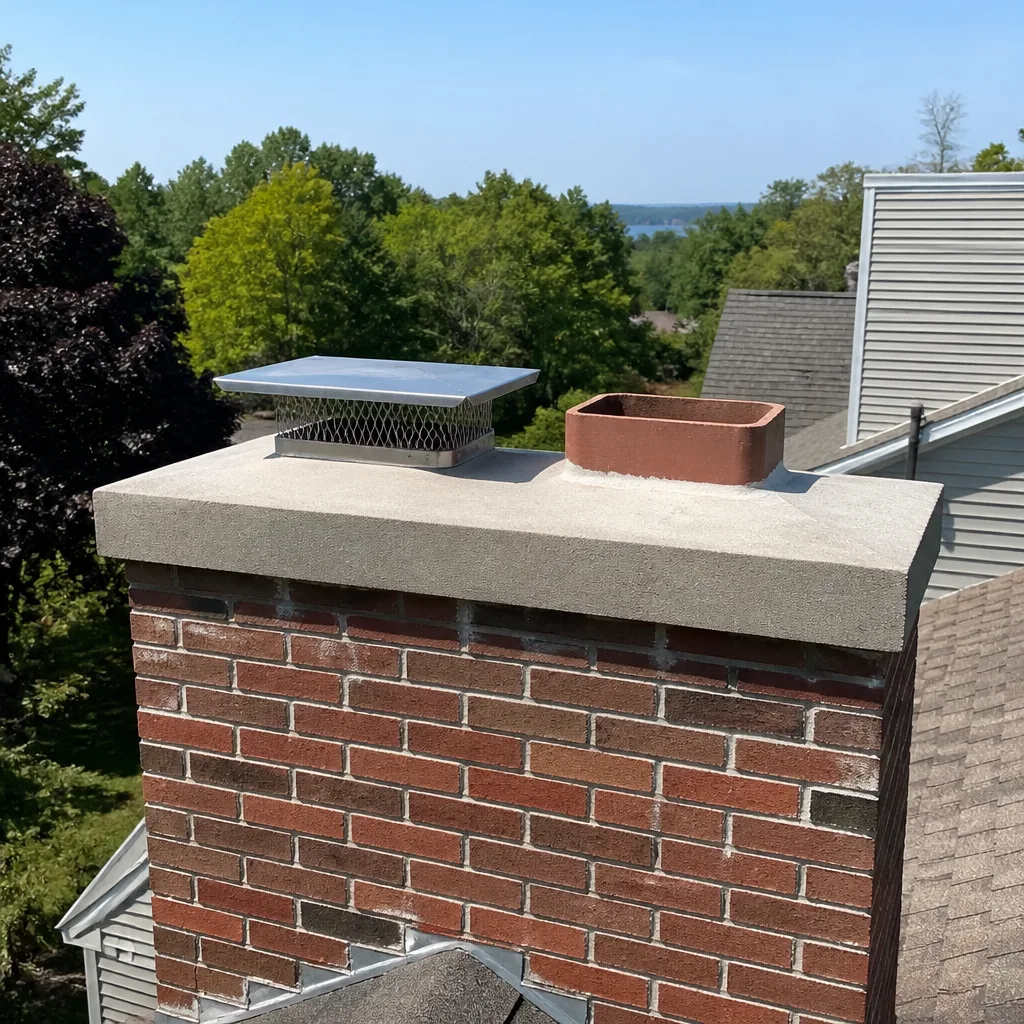 Sweep & inspection
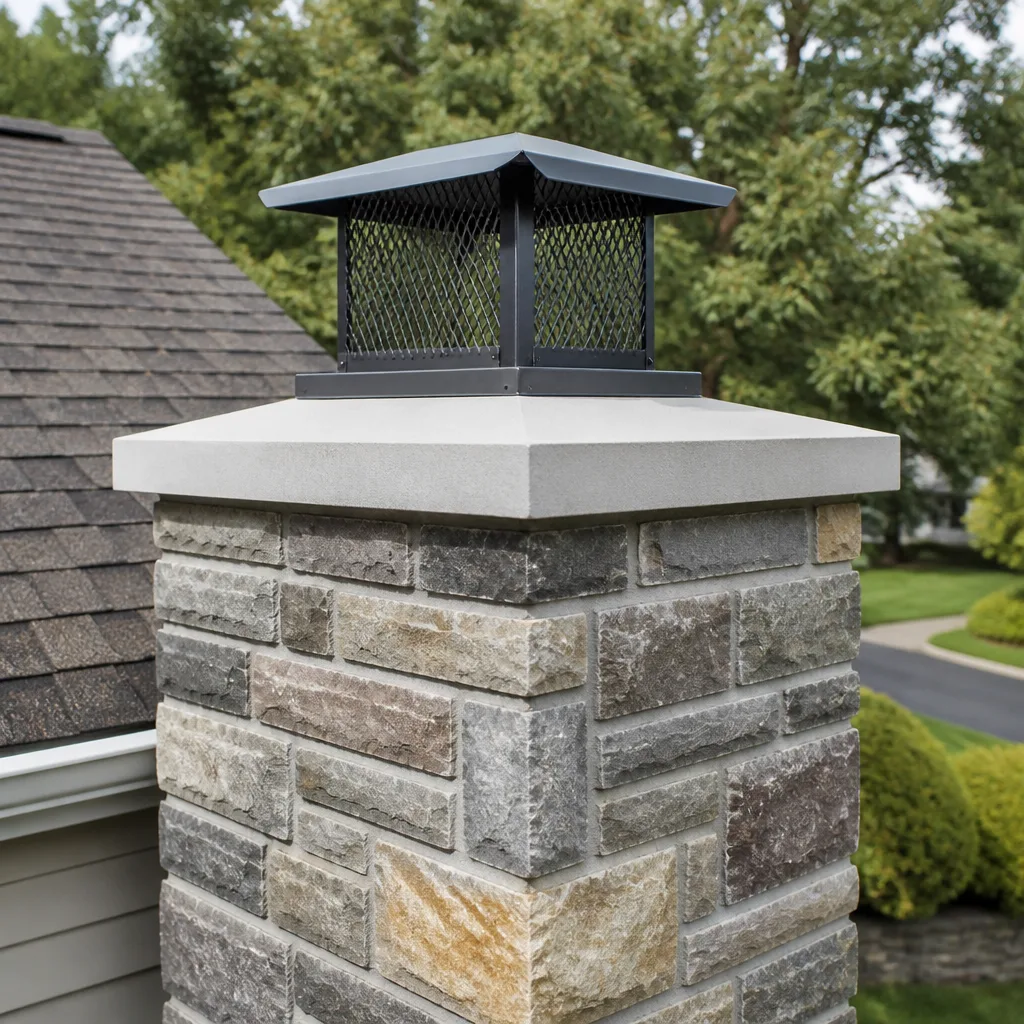 Caps & crowns
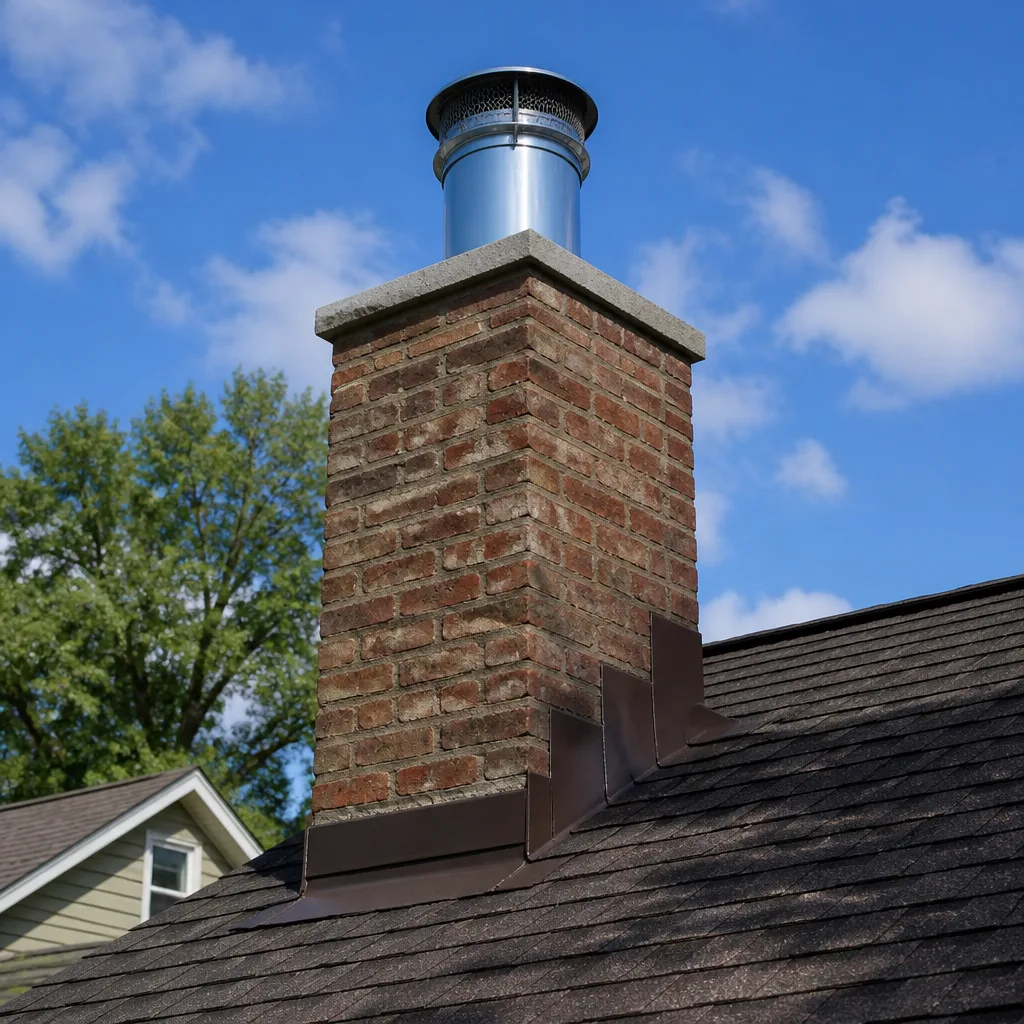 Flue relining
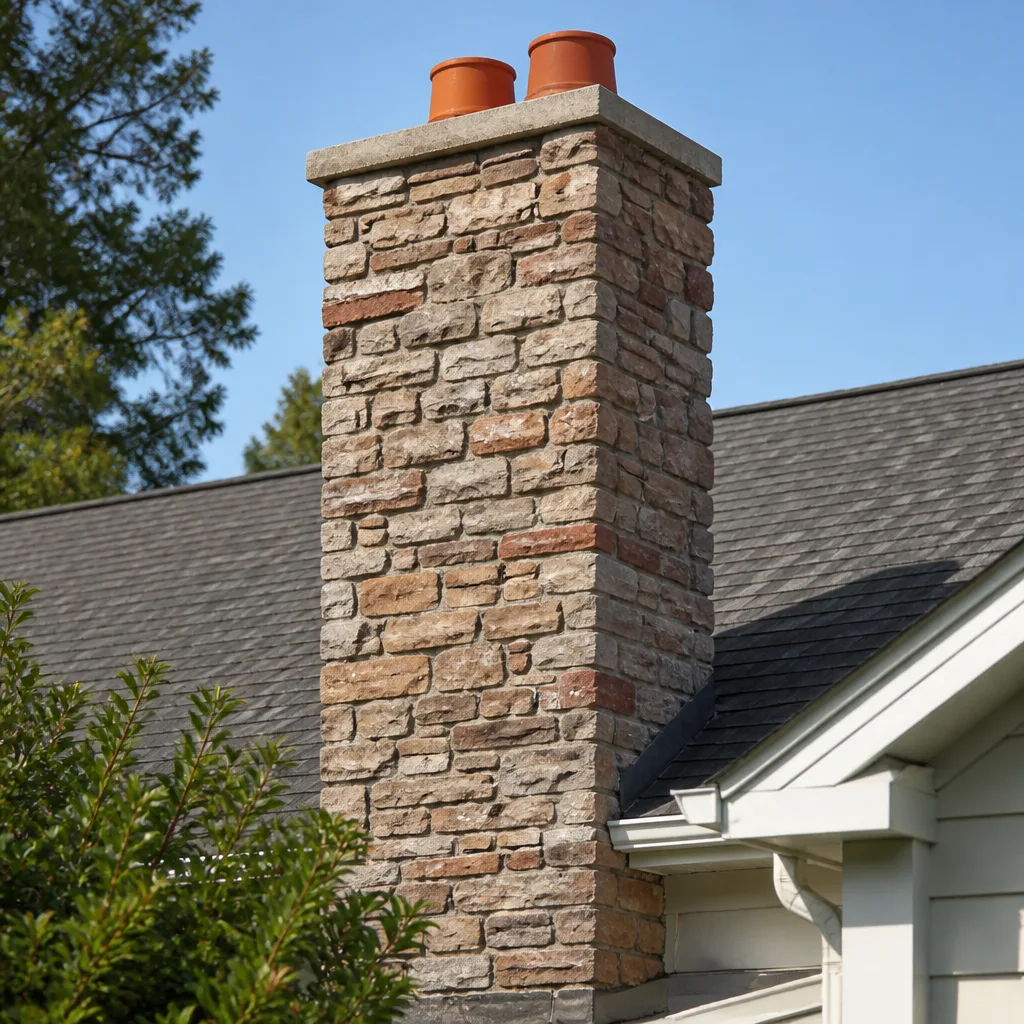 Masonry repair
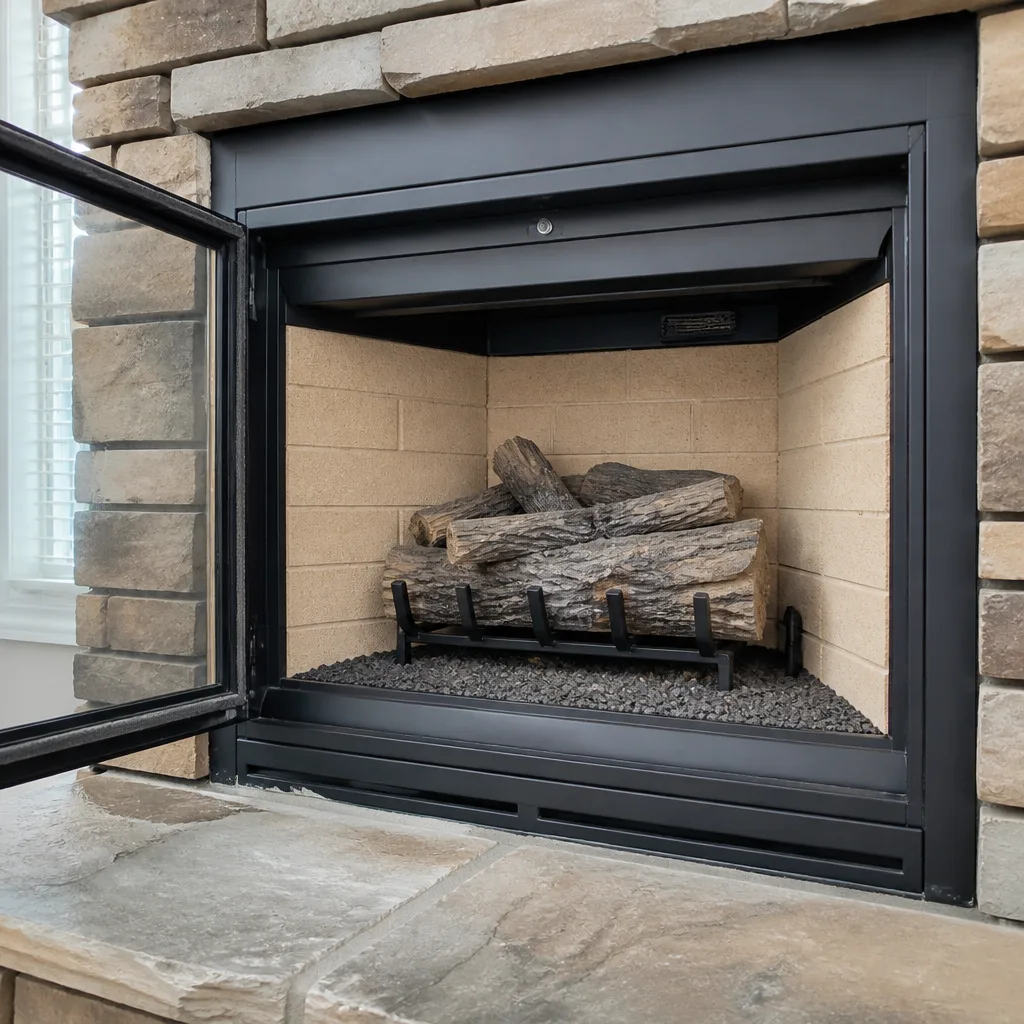 Gas fireplace service
Level 1 sweep and inspection to the NFPA 211 annual standard - flue, crown, cap, and flashing checked and photographed
Chimney sweep logs do not sweep chimneys. They loosen some creosote - which then falls where a brush and vacuum still have to collect it.
Chimney Cleaning Permits, Codes & Inspections in Deltona, FL: What You Need to Know
Most homeowners assume a chimney cleaning is a permit-free errand, and for routine sweeping that’s true. The permission question only shows up later, usually the same visit, when the sweep finishes the cleaning and recommends a liner replacement or a crown rebuild. That’s the moment a maintenance job crosses into permitted construction work under Volusia County rules. In our experience, this is where Deltona homeowners get blindsided: they budgeted for a sweep and are suddenly being handed a scope of work that requires drawings, an inspection, and a sign-off. This guide walks through where that line sits, how Florida Building Code Chapter 10 and NFPA 211 apply to Deltona chimneys, what the inspection process looks like once a repair is permitted, and what paperwork you should walk away with after any visit.
Quick Answer
Routine chimney cleaning in Deltona requires no permit. The line is crossed when the work becomes an alteration or repair: installing a liner, replacing a crown, rebuilding a firebox, or chasing damage into the chimney structure all generally require a Volusia County permit and an inspection before the job is closed out. Florida Building Code Chapter 10 sets the construction requirements, NFPA 211 sets the venting standard, and when they differ the stricter one governs the installation.
Styles & brands we work with
- Sweep & inspection
- Caps & crowns
- Flue relining
- Masonry repair
- Gas fireplace service
Table of Contents
- Where Does Chimney Cleaning Stop and Permitted Work Begin in Deltona?
- How Do Florida Building Code Chapter 10 and NFPA 211 Work Together?
- What Happens During a Volusia County Chimney Inspection?
- Why Unpermitted Chimney Repairs Cause Trouble at a Deltona Home Sale
- What Paperwork Should You Get After a Cleaning or Repair?
- What Does Permitted Chimney Work Typically Cost in Deltona?
- Which Repairs Need a Permit and Which Are Simple Maintenance?
- How to Choose a Chimney Professional in Deltona
Where Does Chimney Cleaning Stop and Permitted Work Begin in Deltona?
The dividing line is alteration versus maintenance. Sweeping removes creosote and debris from an existing flue; it doesn’t change the chimney’s structure, materials, or venting characteristics. Anything that does change the structure or the fire-rated barrier moves into permitted territory, and Volusia County reviews it as construction work.
In our experience, the confusion usually comes from how a sweep presents the finding. A camera inspection reveals a cracked flue tile or a failed mortar joint, and the recommendation lands on the same visit as the cleaning. It feels like one continuous job to the homeowner, but it’s two different categories of work with two different regulatory paths.
Routine maintenance that typically needs no permit:
- Sweeping the flue and smoke chamber
- Removing creosote and soot from the firebox and flue
- Visual and camera inspection of the flue and cap
- Cleaning the firebox floor and damper area
- Replacing a worn cap gasket or a damaged screen on an existing cap
Work that generally crosses into permit territory:
- Installing a new stainless liner (DuraFlex or otherwise) into an existing flue
- Applying HeatShield ceramic resurfacing as a structural repair of a damaged flue
- Replacing a cracked or spalled chimney crown
- Rebuilding the firebox or repairing firebrick that has separated
- Adding or demolishing chimney sections, or altering the flue’s internal dimensions
- Converting a wood-burning fireplace to gas or installing a new appliance insert
The distinction matters because unpermitted structural work can create an insurance problem. If a future chimney fire or carbon monoxide event traces back to a liner installed without a permit, the insurer can argue the installation wasn’t code-compliant. That is the scenario worth avoiding, and it is exactly why we show the homeowner the camera footage before the conversation turns to repair.
How Do Florida Building Code Chapter 10 and NFPA 211 Work Together?
Two standards govern chimney work in Deltona, and they operate at different levels. Florida Building Code Chapter 10 (the residential chapter that adopts the construction requirements for chimneys and vents) is the enforceable legal document. NFPA 211, the Standard for Chimneys, Fireplaces, Vents, and Solid Fuel-Burning Appliances, is the industry standard that the code references for specific installation details.
Where they align, there’s no conflict. Where they don’t, the stricter requirement applies. That’s the working rule we use: if the code says one thing and NFPA 211 says another, the chimney is built to whichever imposes the higher margin of safety. In practice this shows up most often in clearances to combustibles, flue sizing relative to the appliance, and the requirements for liner installation in a previously unlined flue.
What Chapter 10 typically requires for a permitted chimney repair:
- An application describing the scope of work, submitted to Volusia County before work begins.
- Product specifications for materials being installed (for a liner system, the manufacturer’s listing data).
- Demonstration that the new flue meets the sizing requirements for the connected appliance.
- Verification of clearances from the chimney to combustible framing and materials.
- Inspection sign-off at the appropriate stage, and a final inspection when the work is complete.
For a Deltona homeowner, the practical takeaway is that the chimney professional should be able to tell you which standard drives the specification on your installation and why. If a contractor can’t name the code chapter or the NFPA section behind a material choice, that’s a warning sign. We name the products we install (DuraFlex liners, HeatShield resurfacing, Gelco caps, Olympia Chimney components, Famco and Copperfield products) precisely so the homeowner can verify what’s going into the chimney against the permit documentation.
The climate factor in Deltona is worth noting. Central Florida’s humidity and warm-season weather put moisture into masonry more than frost does. That means the bigger long-term threat to a chimney here is water intrusion and spalling rather than freeze damage. A crown that’s lost its slope or a cap that’s failed is the beginning of a chimney problem, and repairing that early is one of the cheapest structural interventions available.
What Happens During a Volusia County Chimney Inspection?
When a permitted repair triggers an inspection, a county inspector verifies the work against the approved scope, the code chapter, and the product specifications that were submitted. The inspector is a county employee, not the chimney contractor, and the purpose is independent verification that the installation is compliant and safe.
A typical sequence looks like this:
- The permitted work is performed by the installing contractor.
- The contractor requests the inspection through the county’s permitting system at the appropriate stage.
- The inspector visits and checks the installation against the approved application and submitted specifications.
- If deficiencies are found, the contractor corrects them and requests a re-inspection.
- When the work passes, the county closes the permit and issues final documentation.
What the inspector is looking for in a chimney repair is usually straightforward: that the liner or masonry work matched the approved scope, that clearances to combustibles were maintained, that the cap and crown were installed as specified, and that the venting arrangement matches the appliance. For a HeatShield resurfacing job, the inspector verifies the application was performed to the method the product requires. For a DuraFlex liner installation, the inspection centers on the liner’s listing, its connections, and clearances.
Timelines vary by county workload and by the scope of the job, so we don’t quote a specific turnaround. The honest answer is that permit approval and inspection scheduling run on the county’s clock, not the contractor’s. What a homeowner should expect is transparency: the contractor should be able to tell you when the application was submitted, when the inspection was requested, and what the county’s response was. A chimney professional who can’t give you those facts is worth a second look.
One more point on inspection scope. A county inspection is not a substitute for a professional chimney inspection. The county verifies permitted construction is compliant with the code; it does not evaluate creosote levels, appliance performance, or the day-to-day safety of the flue. Those are two separate things, and both matter. We show you what we find on the camera and in the firebox, so you can decide what needs action now and what can safely wait.
Why Unpermitted Chimney Repairs Cause Trouble at a Deltona Home Sale
Unpermitted chimney work is one of those problems that stays quiet until a home goes on the market. During a pre-sale inspection, a chimney that’s been relined, re-crowned, or rebuilt without a permit will often show up in the inspection report. Once it does, the seller has to address it: either by documenting that the work was actually compliant, or by having it brought into compliance retroactively.
Two things happen in that situation. The first is the title and disclosure issue. Depending on how the transaction is structured, an unpermitted structural change can create a disclosure obligation and a negotiation point. The buyer’s lender and title company may want proof that the work was permitted, and if the documentation doesn’t exist, that’s leverage for the buyer.
The second is the insurance issue. Homeowner’s insurance policies generally exclude coverage for damage caused by work performed without required permits or inspections. If a later chimney fire or carbon monoxide incident can be traced to an unpermitted liner installation, the homeowner can find themselves with a claim denial. That’s the scenario we most want Deltona homeowners to avoid, and it’s a reason we insist on camera evidence before recommending structural work.
How to address prior unpermitted work retroactively:
- Get a professional chimney inspection of the full system, with a camera view of the flue, the firebox, and the cap.
- Compare the findings against the current code requirements for that type of installation.
- If the work is compliant, ask the county about the process for documenting it (some jurisdictions allow an as-built or retroactive permit path; others require the work to be opened and re-inspected).
- If the work is non-compliant, plan the corrective scope and go through the permit process from the beginning.
- Keep the resulting documentation with the home’s records, so it’s available at any future sale.
If you’re facing this in Deltona, tell the chimney professional up front that you’re dealing with prior work and need documentation. A sweep who understands the process will inspect thoroughly and tell you plainly whether the existing installation is safe, whether it can be documented retroactively, or whether it needs to be corrected.
If your home has a gas fireplace or a wood-burning insert, the retroactive documentation issue gets more complicated, not less. When you need chimney repair that touches the venting arrangement, the county wants the appliance specification and the flue sizing on record. That’s the level of detail that protects both the homeowner and the buyer at resale.
What Paperwork Should You Get After a Cleaning or Repair?
For a routine cleaning, you should leave with two things: a written inspection report and a record of what was cleaned. For a permitted repair, you should leave with the same, plus the permit number and the product specifications for everything that was installed.
The specific documents to request:
- Written inspection report. This should include what the technician saw on camera, the condition of the flue, firebox, cap, and crown, and any defects with a recommendation. It’s the record you’ll want if a problem shows up later.
- Photo report. Camera images of the flue interior and the firebox, dated and identified by section. The images are the evidence. Without them, the recommendation is just a claim.
- Product specification sheets. For a DuraFlex liner installation, the manufacturer’s listing data for the product installed. For HeatShield resurfacing, the product specification for the application method. For a Gelco cap, Olympia Chimney component, Famco fitting, or Copperfield flue product, the same level of documentation.
- Permit number. Where a permit was required, the number should be on the invoice and in the customer file, and it should match the permit on record with Volusia County.
- Inspection sign-off. The final inspection documentation from the county, showing that the work was approved.
The documentation habit is why we name every product we install. When a homeowner can look up the DuraFlex or HeatShield specification and match it to the invoice, that’s built-in accountability. It also means a future buyer or their inspector can verify the work is what it was claimed to be.
Store this paperwork with your home records. If you sell the house in five years, the chimney file is worth more than most of the other records you’ll hand over. A permit number and a signed inspection report settle a lot of questions before they get asked.
What Does Permitted Chimney Work Typically Cost in Deltona?
In our experience, the cost breaks into two parts: the professional services and the county permit fee, which are separate charges. Routine sweeping in Deltona typically falls in the $150 to $350 range depending on access and the condition of the flue. A permitted structural repair like a liner installation typically runs $2,500 to $6,500 for a wood-burning flue, driven by liner length, flue condition, and material selection. Crown replacement typically runs $400 to $1,200. HeatShield ceramic resurfacing of a damaged flue typically runs $1,200 to $2,800, depending on the length of the flue being resurfaced.
- Routine sweep and inspection: $150 to $350 typical
- Camera inspection with photo report: $100 to $250 typical when done standalone
- HeatShield ceramic resurfacing: $1,200 to $2,800 typical
- DuraFlex liner installation: $2,500 to $6,500 typical, wood-burning flue
- Crown replacement: $400 to $1,200 typical
- Firebox rebuild: $900 to $2,500 typical
- County permit fee for permitted repair: varies by scope and is set by Volusia County
Those ranges are estimates for planning. The written estimate sets the final price, and the scope of the work has to be established before the estimate is meaningful. A camera inspection is what makes the number real, because a chimney with a cracked flue tile is a different job than one with a failed crown and a sound flue.
We always present the estimate in writing, with the line items separated, so the homeowner can see what’s included and make an informed decision. If the work can wait until next season, we say so. If it can’t, we say that plainly and explain why.
Which Repairs Need a Permit and Which Are Simple Maintenance?
Since the code follows alteration versus maintenance, it’s worth making that mapping explicit. Here’s how we classify common chimney findings in Deltona, along with the safety note that matters most for each category.
Maintenance (typically no permit)
- Sweeping and creosote removal. Creosote accumulation is the primary driver of chimney fires, and an annual sweep keeps the flue clear. Safety: the sweep should check the smoke chamber and the firebox, not just the flue.
- Cap screen replacement and gasket replacement. Small component swaps on existing caps.
- Camera inspection. A diagnostic, not a repair.
- Damper cleaning and minor adjustment. If the damper assembly needs to be replaced, that’s on the line between maintenance and repair, and should be evaluated by the chimney professional.
Permitted repair (generally requires a Volusia County permit and inspection)
- DuraFlex liner installation. Relining a flue is an alteration to the venting system and requires a permit. Safety: charred or cracked flue tiles are the reason relining matters; an unlined or damaged flue lets heated gases reach framing.
- HeatShield ceramic resurfacing. This is a structural repair of the flue interior and is typically permitted as such. Safety: the application restores a fire-rated barrier over damaged masonry or a deteriorated flue.
- Crown replacement. The crown is part of the chimney structure and a repair generally requires a permit. Safety: a cracked crown lets water into the chimney, which drives spalling and, over time, structural deterioration.
- Firebox rebuild and firebrick replacement. Structural masonry repair is permitted work. Safety: a compromised firebox can allow heat to migrate into adjacent framing.
- Appliance inserts and conversions. Adding a gas insert or changing the appliance changes the venting arrangement and requires a permit. Safety: a mismatched flue and appliance is a carbon monoxide risk, and gas work itself should be handled by a licensed gas professional.
The thing worth noticing is that the permitted repairs are the ones that touch the fire-rated barrier or the venting system. Those are the installations where a mistake can mean a chimney fire or a carbon monoxide problem. That’s why we insist on camera evidence before recommending any of them, and why we’d rather show a homeowner a clean flue and tell them no repair is needed than sell a liner they don’t require.
For general neighborhood context on how this plays out across the city, the Deltona page gives a closer look at the housing stock and what we typically see in local homes. In our experience, the homes that need structural work most often are the ones where a prior owner had a chiminea or an insert installed without documentation.
Common Mistakes to Avoid
- Treating a liner recommendation as part of the cleaning. The cleaning and the relining are two separate jobs with two different regulatory paths. Make the sweep spell out which part needs a permit before you agree to the scope.
- Assuming the contractor will handle the permit if it’s “their job.” Ask who is pulling the permit and in whose name. If the answer is vague, the work probably isn’t going to be inspected.
- Accepting a repair recommendation without camera evidence. Before any liner, crown, or firebox work, ask to see the images. If the technician can’t show you the defect, don’t authorize the repair.
- Not asking for the product specification. For a DuraFlex liner or a HeatShield resurfacing, the specification sheet is the documentation that proves what was installed. Ask for it with the invoice.
- Skipping the annual inspection because the chimney “looks fine” from the ground. Creosote accumulation and flue damage usually aren’t visible from below. The camera is what tells the truth.
- Ignoring a crack in the crown because it’s high off the ground. In Deltona’s humidity, a failed crown leads to moisture intrusion, and that’s the beginning of a much larger repair.
- Not keeping the paperwork. The permit number and inspection sign-off are worth nothing at resale if you can’t find them.
See the difference
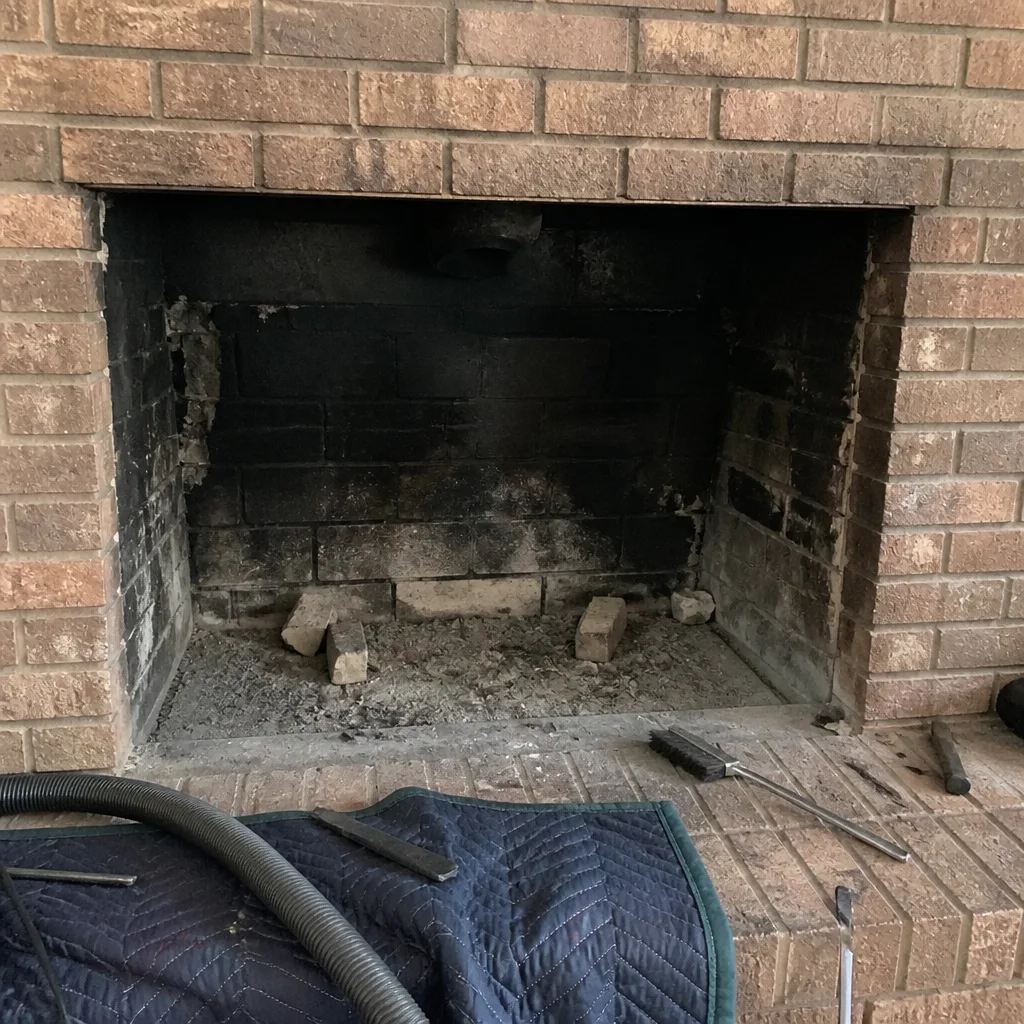 Before
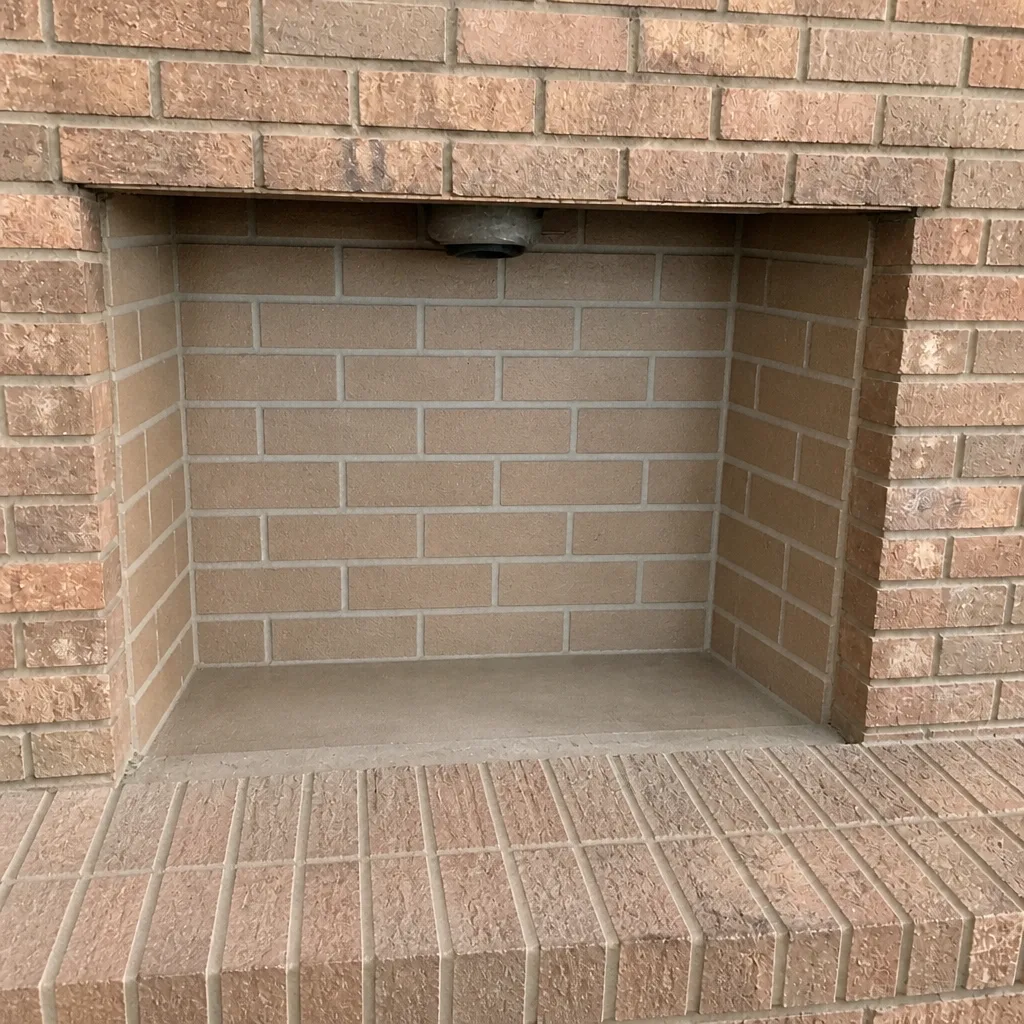 After
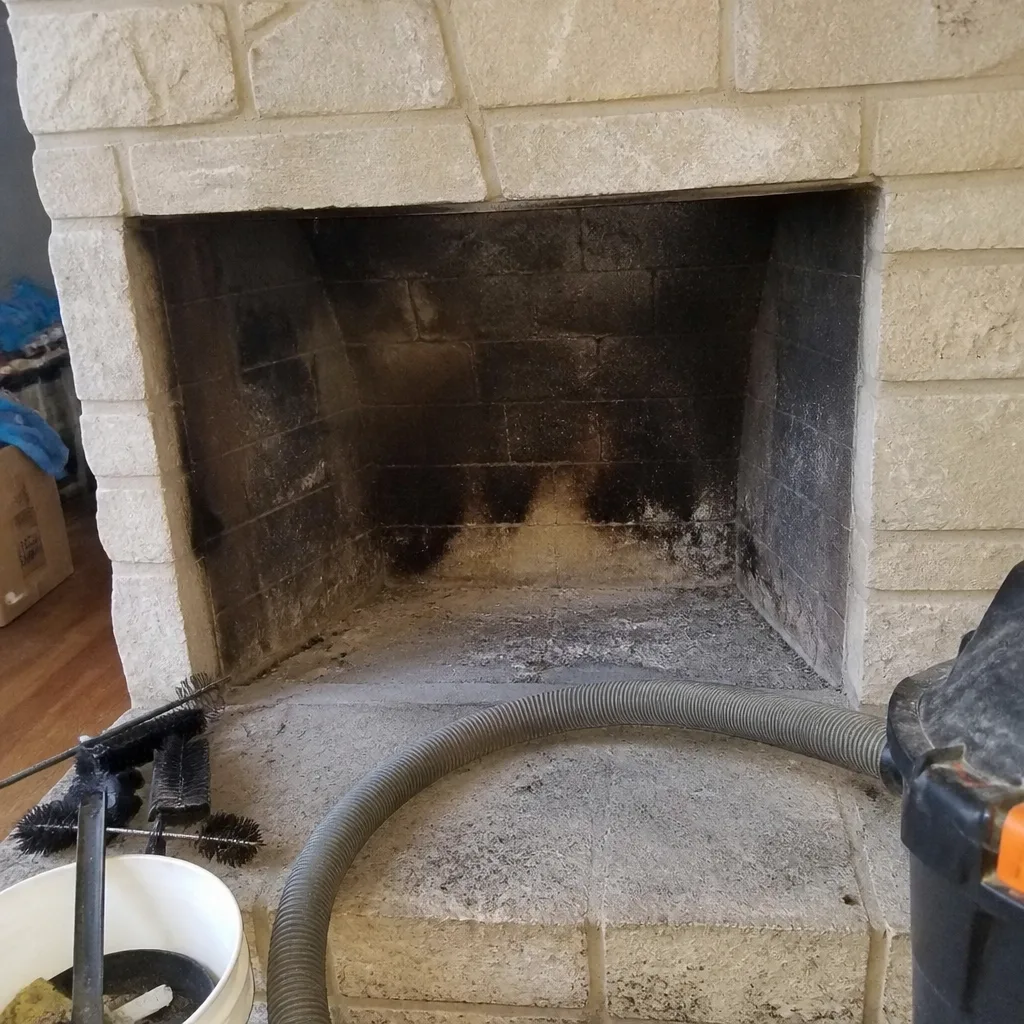 Before
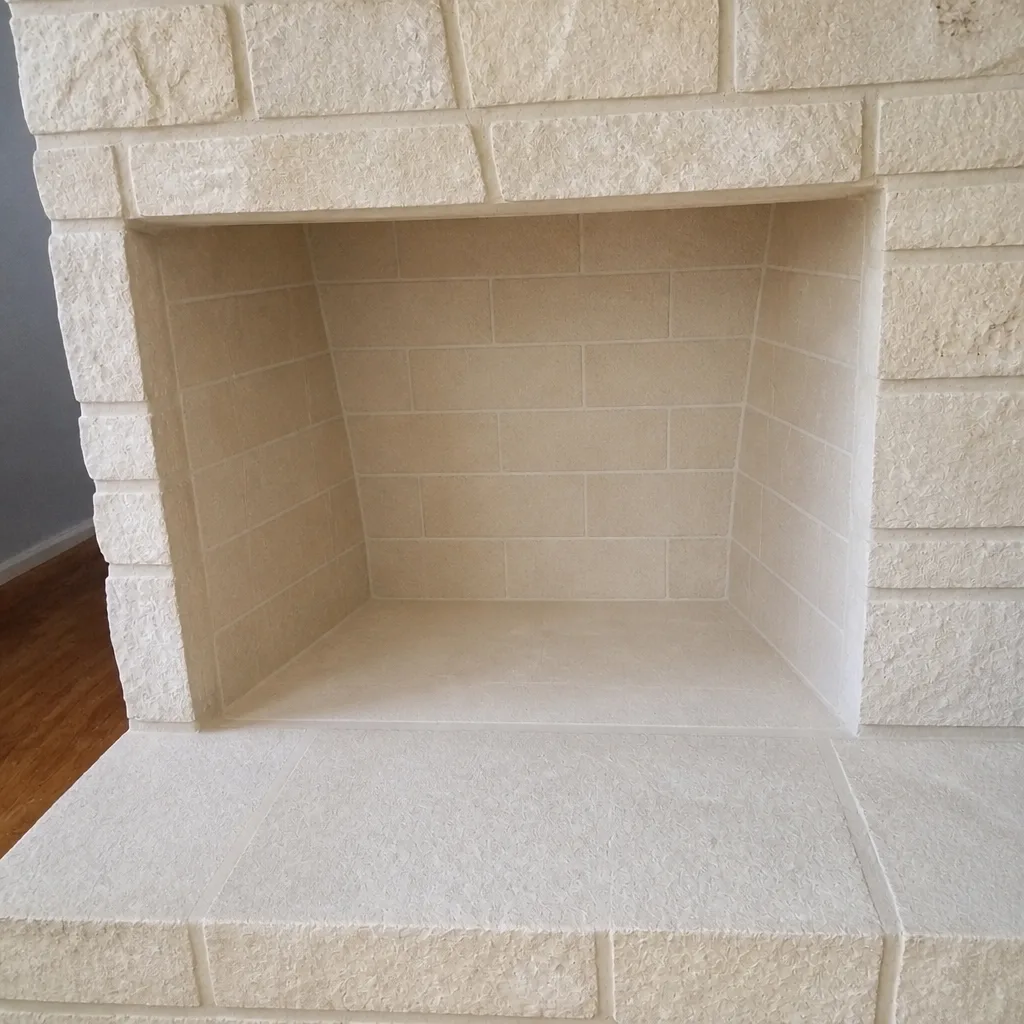 After
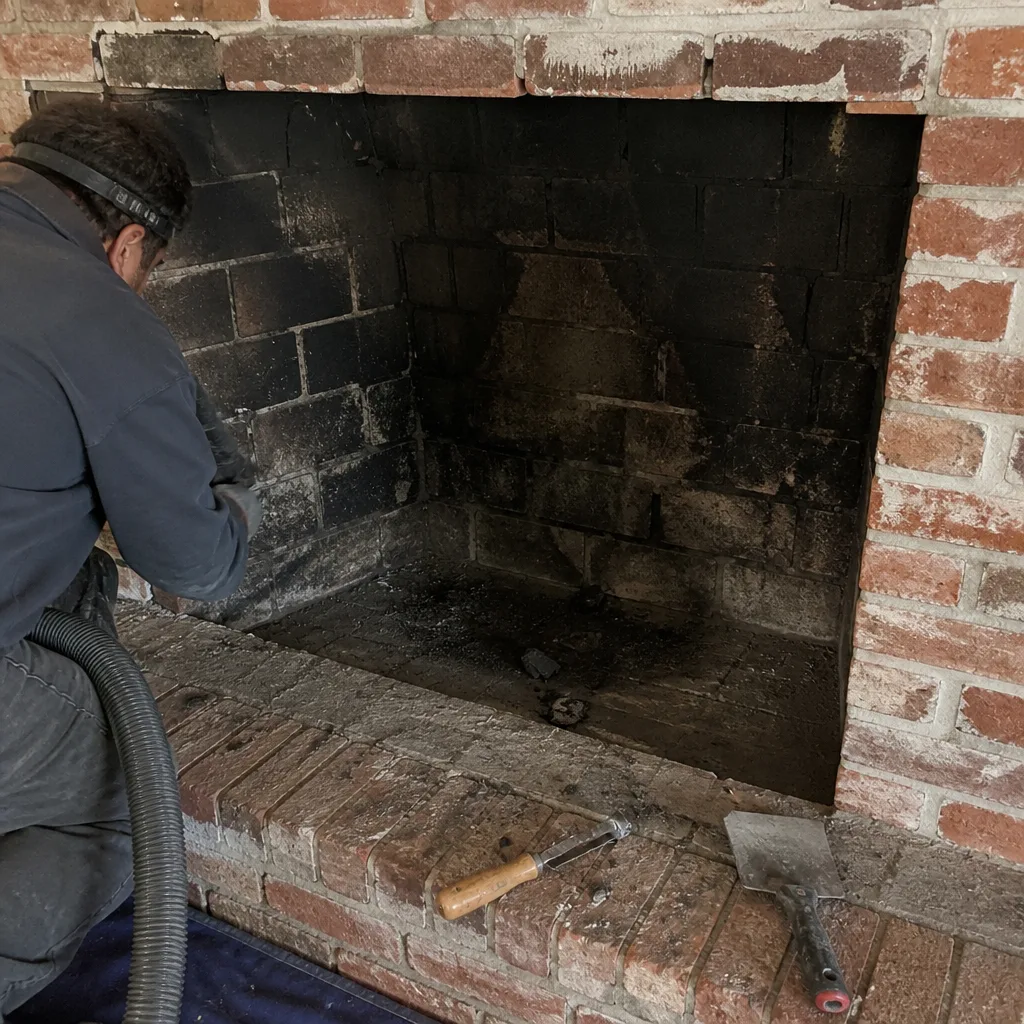 Before
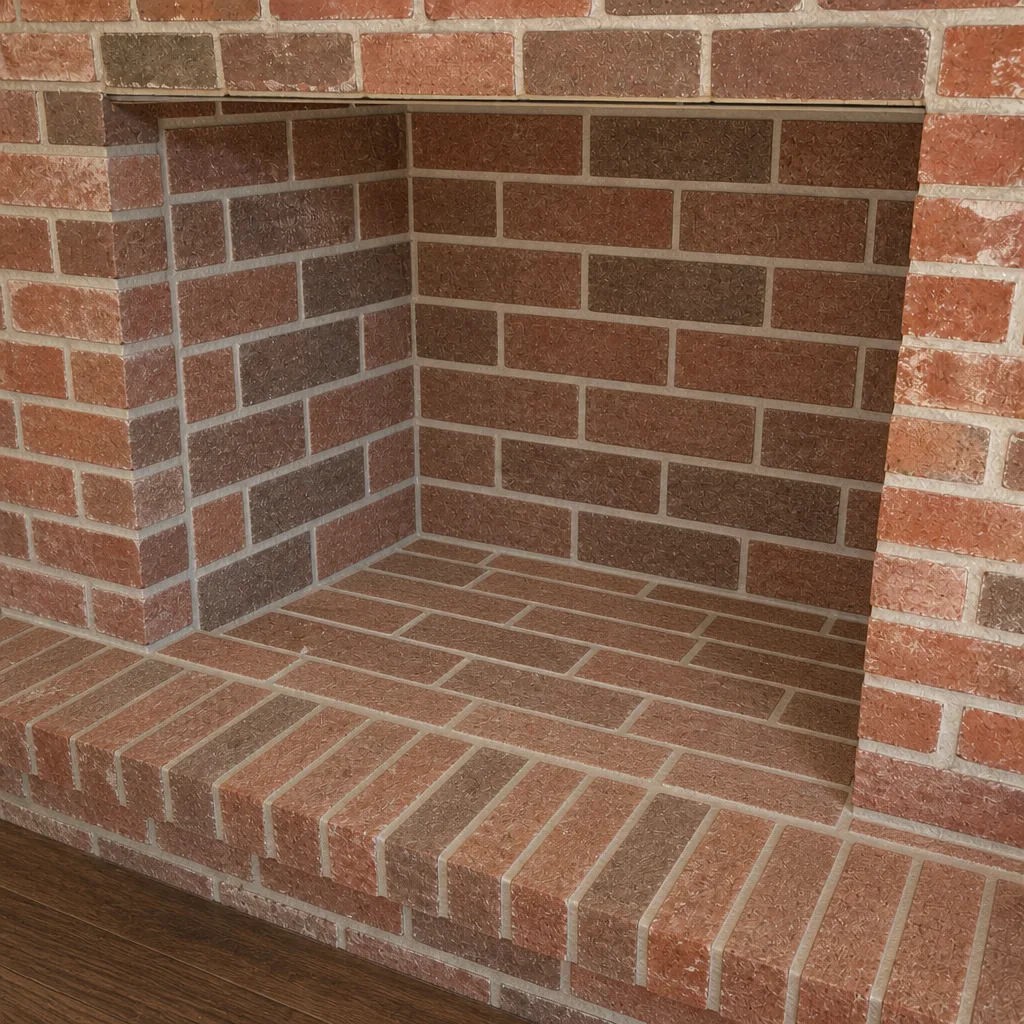 After
When to Call a Professional
Call a chimney professional when you’ve burned a season without a sweep, when you see staining or efflorescence on the exterior chimney masonry, when the firebox shows signs of damage or crumbling mortar, or when you’re buying a Deltona home and need the chimney evaluated. Also call if you smell smoke in the house when the fireplace is running, if the damper won’t open cleanly, or if a prior owner left undocumented chimney work behind. Those are all situations where a camera inspection reveals whether the system is safe to burn. If you’re scheduling a routine visit, it’s usually best to book the inspection before the next burn season rather than after it. Chimney Sweep Deltona offers free estimates in Deltona. Call (888) 458-8065. We answer 24/7. Fast dispatch from 7am to 7pm, Sunday through Friday.
Frequently Asked Questions
No. Routine chimney cleaning and inspection are maintenance and don’t require a Volusia County permit. The permit requirement starts when the work becomes an alteration or repair, such as a liner installation, crown replacement, or firebox rebuild. Call (888) 458-8065 for an exact quote if you’ve been told your chimney needs structural work. Estimates are free.
You need a new liner when the flue has lost its fire-rated barrier, whether from cracked tiles, deteriorated mortar joints, or a flue that was never lined properly to begin with. That finding should always be backed by camera evidence you can see. If the technician can’t show you the defect, don’t authorize the install. Call (888) 458-8065 to schedule a camera inspection and photo report, and we’ll show you what we find.
Once a year for a wood-burning fireplace under normal use, and more often if you burn frequently or burn wood that produces a lot of creosote. A gas fireplace needs an inspection at the same interval to confirm the venting is clear and the appliance is operating correctly. Call (888) 458-8065 to book a sweep before burn season starts.
Creosote builds up on the flue walls, and that buildup is what fuels a chimney fire. The structural risk also grows: moisture that should drain through a functional crown and cap instead collects in the masonry, which drives spalling and further damage. Skipping the inspection doesn’t make either problem go away; it just delays discovery. Call (888) 458-8065 for a sweep and inspection, and we’ll tell you honestly what needs action now and what can wait.
A permitted liner installation in Deltona typically runs $2,500 to $6,500 for a wood-burning flue, a crown replacement typically runs $400 to $1,200, and HeatShield resurfacing typically runs $1,200 to $2,800. The county permit fee is separate and set by Volusia County. The written estimate sets the final price once the scope is established by camera inspection. Call (888) 458-8065 for an exact quote. Estimates are free.
Yes, and the first step is a professional inspection of the full system with camera images of the flue and firebox. Once we have that, we can tell you whether the existing installation is compliant and documentable, or whether it needs to be corrected through a fresh permit process. Bring any paperwork you have from the prior owner. Call (888) 458-8065 to schedule the inspection.
You should leave the visit with a written inspection report, a photo report from the camera, and, for any permitted repair, the product specification sheets and the permit number. Store all of it with your home records. That file is what protects you at a future sale, and it’s what an insurance claim would need. Call (888) 458-8065 to book a sweep and inspection at your Deltona home.
The Bottom Line
The permission question around chimney work in Deltona comes down to one distinction: maintenance versus alteration. Sweeping and inspection don’t need a permit. Liner installations, crown replacements, firebox rebuilds, and HeatShield resurfacing do, because they change the fire-rated barrier or the venting system, and Volusia County reviews them under Florida Building Code Chapter 10 with NFPA 211 as the referenced industry standard. Where the two differ, the stricter requirement governs. The paperwork should travel with the work: written inspection report, photo evidence, product specifications, and permit number where a permit was pulled. That’s the documentation that protects a homeowner at resale and at claim time. We show you what we find on the camera before we recommend a repair, we name every product we install, and we’ll tell you plainly when work can safely wait. Call (888) 458-8065. We answer 24/7. Fast dispatch from 7am to 7pm, Sunday through Friday. Estimates are free. Scheduling your chimney sweep before burn season is the simplest way to stay ahead of all of it.
Written by the team at Chimney Sweep Deltona.