
Last updated November 15, 2026
 Sweep & inspection
 Caps & crowns
 Flue relining
 Masonry repair
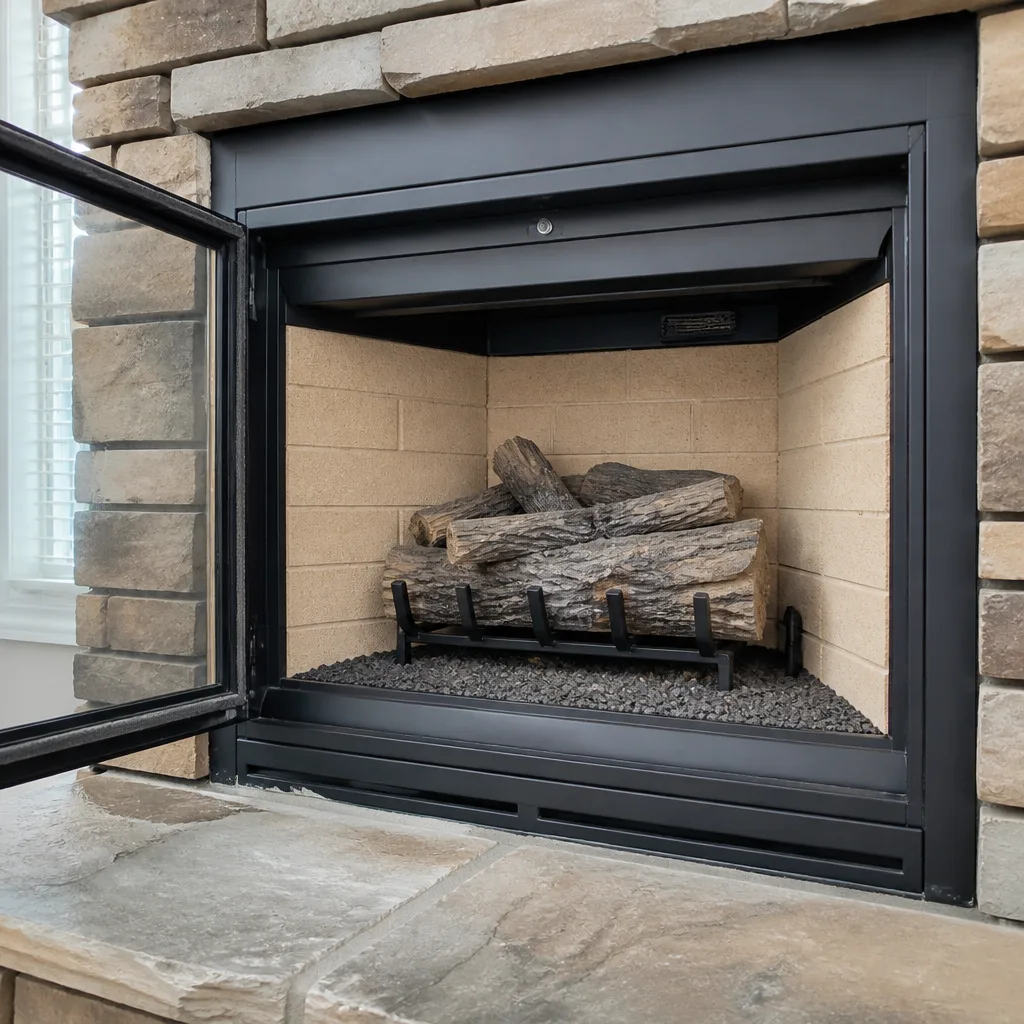 Gas fireplace service
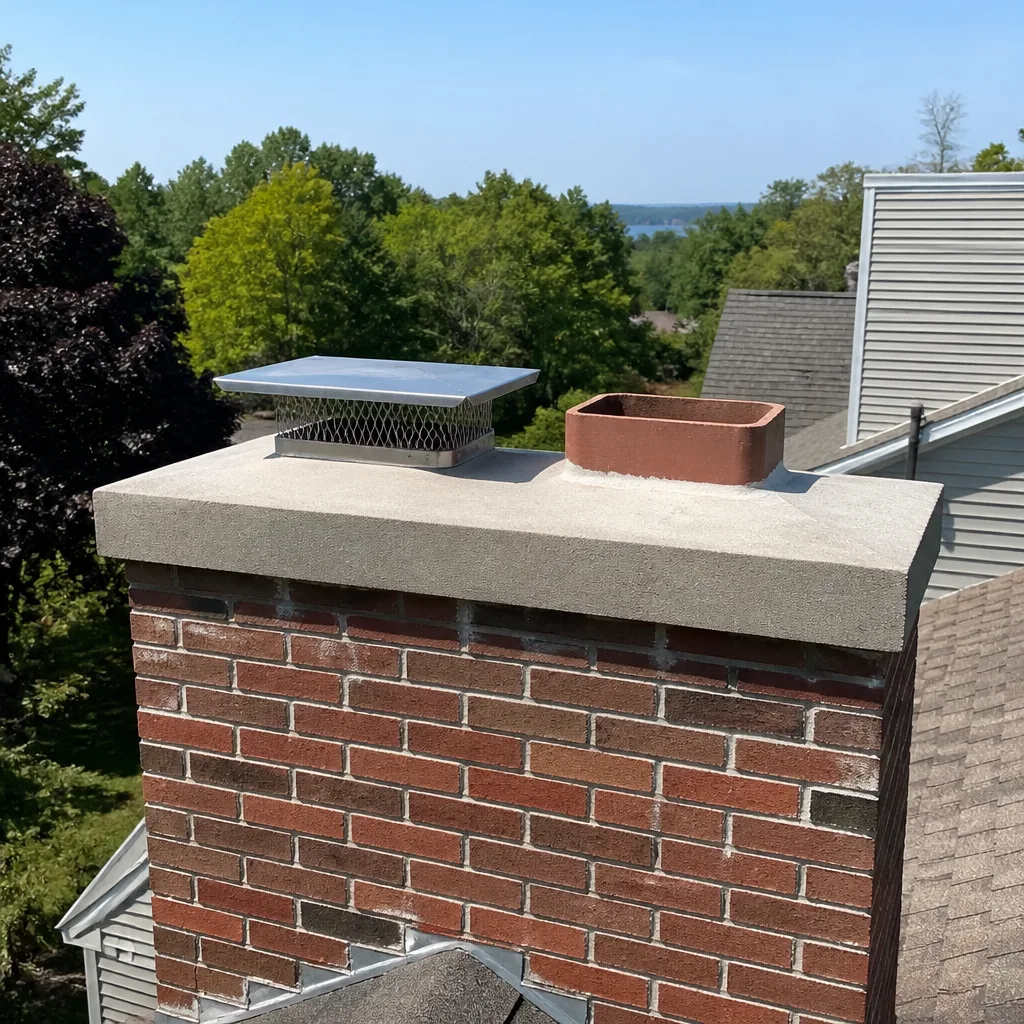
Level 1 sweep and inspection to the NFPA 211 annual standard - flue, crown, cap, and flashing checked and photographed
Chimney sweep logs do not sweep chimneys. They loosen some creosote - which then falls where a brush and vacuum still have to collect it.
Choosing the Right Chimney Cleaning Brand: A Buyer’s Guide for Deltona
Most homeowners never ask what brand of liner goes into their chimney. They ask what it costs, and they hire whoever answers fastest. That is the wrong question, and it is the reason two chimneys on the same Deltona street can end up with wildly different outcomes from what sounded like the same job. A “quality stainless liner” is not a product; it is a phrase. It can describe a thin imported flex liner with no documented alloy grade or a DuraFlex system with a stated wall thickness and a written warranty you can read before you sign. This guide shows you how to read the materials themselves, use brand names to vet a contractor, and understand which products actually hold up in Central Florida’s humidity and heat. You’ll leave knowing what to ask, what to request in writing, and how to tell a specialist from a generalist.
Quick Answer
The right chimney brand in Deltona is the one a contractor can name, explain, and document. Ask which specific products will be installed, why that product over alternatives, and request the manufacturer’s spec sheet and warranty before work begins.
A sweep who answers with real brand names and material reasoning is demonstrating knowledge a generalist lacks. One who answers with “we use the best” is telling you they either don’t know or don’t want you to check.
Styles & brands we work with
- Sweep & inspection
- Caps & crowns
- Flue relining
- Masonry repair
- Gas fireplace service
Table of Contents
- Why Chimney Brands Are Invisible to Homeowners
- A Product-by-Product Look at Professional-Grade Chimney Brands
- How to Use Brand Names as a Vetting Tool
- Florida-Specific Product Performance: Humidity, Alloy Grade, and Longevity
- HeatShield vs. Full Liner Replacement for Aging Clay Tile Chimneys
- How to Request Product Documentation
- Common Mistakes to Avoid
- When to Call a Professional
Why Chimney Brands Are Invisible to Homeowners
Chimney work is one of the few home services where the materials are almost entirely hidden. Once a liner goes in, you can’t see it, touch it, or verify it without a camera. A roof, you can inspect from the ground. A water heater has a label on the front. A chimney liner has nothing a homeowner can inspect after installation, which means the material quality is decided entirely at the point of purchase, by whoever is standing in your living room holding a quote.
That invisibility is exactly why brand transparency matters. When a contractor names the specific products going into your home, they invite you to look them up. You can pull the manufacturer’s spec sheet, read the alloy grade, check the warranty terms, and confirm the product is what they said it was. That is a form of accountability no amount of “we do quality work” can match. In our experience across Deltona, the contractors who can name their materials are the same ones who are comfortable being checked.
Most homeowners shopping for a chimney sweep don’t know the difference between a stainless liner alloyed with 304-grade steel and one alloyed with 316-grade steel, or why that distinction matters in Central Florida’s climate. They don’t know what a HeatShield resurfacing compound does or why a Gelco cap differs from a generic hardware-store cap. This guide is written to change that, so you can walk into a quote conversation with the same vocabulary a professional uses.
Here’s the counterintuitive part: for a routine sweep, brand names matter less. The brush and vacuum don’t define the outcome. But for liners, caps, sealants, and resurfacing compounds, the brand and the material grade determine whether a fix lasts 15 years or 5. And since most Deltona homeowners only face a repair decision once or twice, they have no prior experience to compare against.
A Product-by-Product Look at Professional-Grade Chimney Brands
The professional chimney trade has a small, recognizable set of material brands that specialists specify and generalists rarely know. We work with six: DuraFlex, HeatShield, Gelco, Copperfield, Famco, and Olympia Chimney. Each serves a different function in the chimney system, and each has performance characteristics that matter more in Florida’s climate than in a dry northern state. Here’s how each one fits:
- DuraFlex liner systems: Flexible stainless relining used when a flue is deteriorated, misaligned, or too roughly shaped for a rigid liner. In Deltona, many older homes have clay tile flues with offset sections or cracks that a rigid liner can’t fit through, which is where a flexible DuraFlex system comes in. It’s engineered for the flue it goes into, not a one-size-fits-all roll of flex.
- HeatShield ceramic resurfacing: A specialized compound applied to the interior of a chimney flue to seal cracks and rebuild the surface without a full liner replacement. This is applied by trained applicators, and in our experience it’s the product many general contractors can’t offer because they haven’t been trained on the application method.
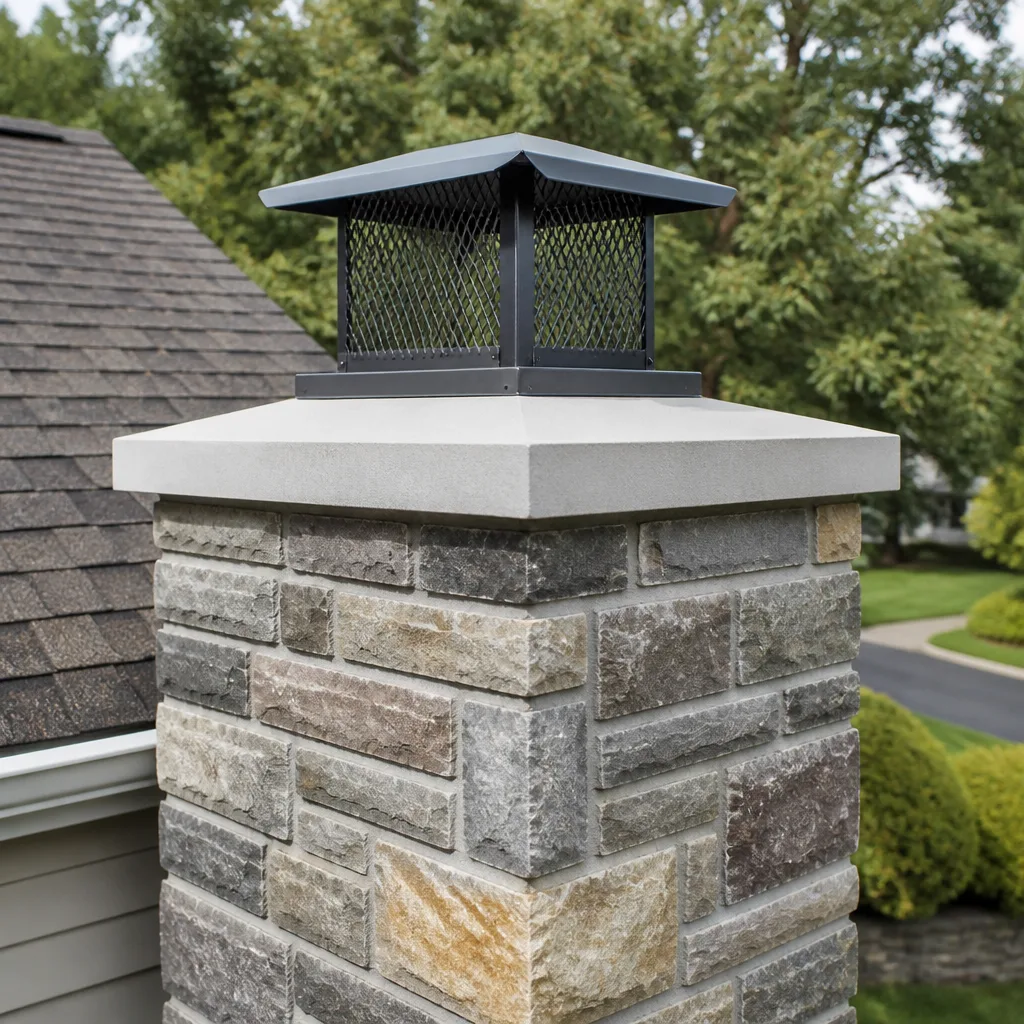
- Gelco and Famco caps: Chimney caps are the most visible product on your roofline and the first line of defense against rain, animals, and debris. Gelco and Famco both make professional-grade cap lines, and the difference between a spec-grade cap and a hardware-store version is in the stainless alloy and the mounting detail.
- Copperfield and Olympia Chimney supply products: These brands cover the supporting materials that make an installation last – flashing, connectors, and the small parts that fail first on a cheap installation. A contractor who specifies name-brand support products is showing you where their standards sit.
Not every job needs every brand. A sweep on a clean, well-maintained flue might involve nothing but the brush and vacuum. But when a repair recommendation comes up, the specific brand should come up with it, because that’s the moment the material quality gets locked in.
If you’re facing a structural repair rather than a cleaning, you can read more about what chimney repair covers in a typical Deltona home.
What “Professional-Grade” Actually Means
Professional grade is not a marketing phrase; it describes products with documented specifications. A professional-grade liner has a stated stainless steel alloy, a defined wall thickness, a listed temperature rating, and a warranty tied to a specific application. A hardware-store liner for many applications has none of these spelled out, or spells them out in terms the retail buyer can’t easily compare. When a contractor specifies DuraFlex, they’re specifying a product with a published spec sheet you can hold them to.
How to Use Brand Names as a Vetting Tool
Brand names are the fastest filter in a contractor conversation. You don’t need to be a chimney expert to run a good vetting interview; you just need to know what to ask. A specialist answers with specifics. A generalist deflects.
Here is the sequence we suggest. Any contractor you call should be willing to walk through all four steps before you commit to a scope of work:
- Ask what specific products they plan to install. A real answer names brands: “We’d use a DuraFlex liner and a Gelco cap in that application.” A deflection sounds like “we use the best materials in the industry.”
- Ask why those products over alternatives. The answer separates specialists from salespeople. A specialist will explain alloy grade, flue characteristics, or local climate factors. A salesperson will say “because it’s what we always use.”
- Ask for the manufacturer’s spec sheet and warranty terms. A contractor who works with a named brand can produce these without hesitation, because they exist. A contractor improvising will stall.
- Ask what happens if that specific brand isn’t available. A specialist names a second professional-grade option and explains why it’s acceptable. A generalist says “we’ll find something.”
The underlying logic is simple: a contractor who can explain material choices is demonstrating knowledge you could verify. That’s the difference between a brand and a promise. Brand transparency is built-in accountability. When someone names the product, they’ve given you something to hold them to after the invoice is paid and the work disappears behind a flue wall.
In our experience with Deltona homeowners, the ones who ask these four questions before hiring tend to call back satisfied after the work is done, because they understood what they were buying. The ones who shop on price alone are the ones calling us a year later to fix a liner that was never the grade it was promised to be.
This “we show you what we find” approach applies to inspections too – a specialist should be able to walk you through their findings and point to what they’re seeing on the camera.
Florida-Specific Product Performance: Humidity, Alloy Grade, and Longevity
Central Florida’s climate is a specific test for chimney materials, and it doesn’t look like the climate most chimney product datasheets were written for. Winters are mild and short. Summer humidity is high and long. Roof surfaces stay hot for a much larger share of the year than they do in northern states. That shifts what fails, when it fails, and which products actually hold their rated lifespan.
The biggest material difference lies in the stainless alloy grade used in liners and caps. Without getting into metallurgy, the practical takeaway for a Deltona homeowner is straightforward:
- Lower-grade stainless alloys hold up well in dry climates and mild duty cycles. In sustained high-humidity conditions that don’t dry out quickly, they can show surface corrosion earlier than expected, and the surface corrosion is where structural weakness starts.
- Higher-grade stainless alloys cost more and last longer in moisture-exposed applications. They’re more inert across long humid stretches, and they tend to hold their rated lifespan through the variations Central Florida throws at them.
- The alloy choice should match the exposure of the part, not just the chimney type. A cap exposed to full rain, sun, and humidity has a different duty than an interior liner that’s only exposed to flue gases. A good contractor chooses the grade per part.
The practical question to ask your contractor is: “What alloy grade are you using for the liner, and what grade for the cap, and why?” If the answer is specific, you’re in good hands. If it’s “standard,” they’re not choosing for your climate.
Roof surfaces around Deltona take a lot of sun. Sun exposure is a slow factor compared to moisture, but cap elastomers and painted finishes on caps do age faster in high-heat, high-UV environments than in northern applications. Professional-grade cap lines like Gelco and Famco are built with that variation in mind; the retail version usually isn’t.
For further reading on how these conditions interact with older construction in the area, see our Deltona overview of the local housing stock.
HeatShield vs. Full Liner Replacement for Aging Clay Tile Chimneys
This is the decision that comes up most often in Central Florida because so many of the region’s chimneys were built with clay tile flues that have now been through mixed use, seasonal cycling, and long humid summers. When a flue starts showing cracks, gaps, or deteriorated mortar joints on camera, the homeowner faces a fork: resurface the existing flue with a HeatShield ceramic compound, or install a full flexible liner. The answer isn’t universal, and this is where the brand you choose tells you what happens next.
HeatShield is the technically sound choice when the underlying flue structure is intact and the failure is at the surface. The ceramic compound is applied to the interior of the chimney to seal cracks and rebuild the smooth wash of the flue, restoring a specified surface without requiring a new liner. This is a specialized process applied by trained applicators, and the reason it matters in Deltona is that many of the clay tile flues still in service are structurally sound but have surface-level deterioration – which is a resurfacing job, not a relining job.
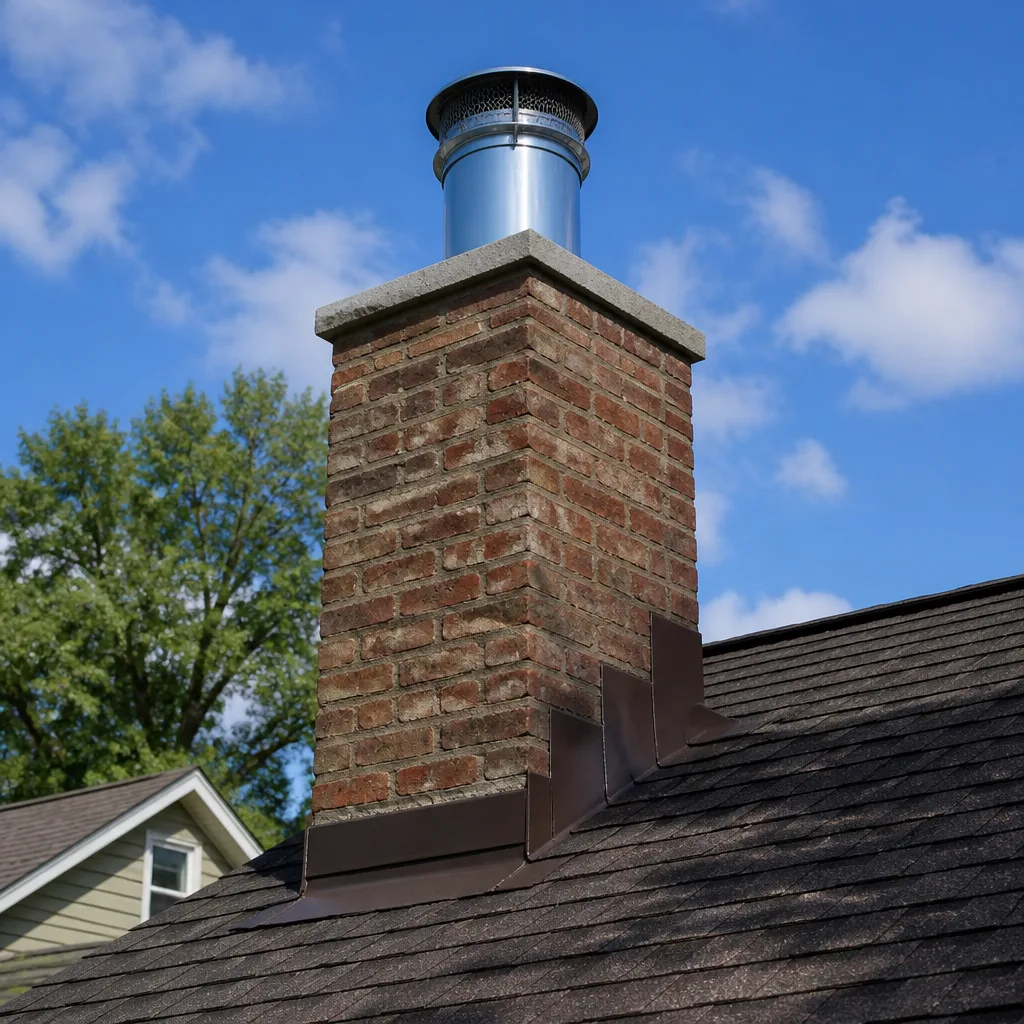
A DuraFlex flexible liner installation is the correct answer when the flue is structurally compromised in a way resurfacing can’t correct: offset tiles, extensive joint failure, or a flue geometry that requires a new structural path. A flexible liner is engineered to reline the entire flue and becomes the new flue. It solves problems HeatShield can’t, but it’s also a bigger-ticket scope.
The test of whether the recommendation is trustworthy isn’t which option gets chosen; it’s whether your contractor can explain why the camera evidence supports that choice. If you can see the crack on the inspection screen and understand what resurfacing versus relining will do to it, the recommendation earns its price. If a contractor skips the camera and jumps to a liner recommendation without showing you what’s actually wrong, the material brand matters less than the diagnosis behind it.
That’s where HeatShield capability separates contractors in this market. A sweep who can apply HeatShield has an alternative to offer when the flue is a resurfacing candidate. A sweep who can’t will tell you a liner is required, because that’s the only tool they have. Both might be honest. Only one has the option to do what’s actually right.
How to Request Product Documentation
Product documentation is the quiet handshake between a good contractor and an informed homeowner. A specialist expects you to ask, and expects to be asked about the products they install. When the answer is easy, that’s a signal in itself.
Here’s the standard set you should be able to request before work begins, for every branded product in your project scope:
- Manufacturer spec sheet for the specific product model, showing alloy grade, wall thickness, and temperature rating. This is the document a contractor can produce for a DuraFlex liner, or a HeatShield application spec, or a Gelco or Famco cap.
- Warranty terms in writing, including the term length, what’s covered, and who holds the warranty – you or the installer. A labor warranty and a product warranty are two different promises.
- Installation instructions for the product, showing how it’s meant to be installed. This matters because installations done against the manufacturer’s instructions can void the product warranty.
- Written scope of work naming each product, the quantity, and where it goes. This is the clearest form of accountability – a document that says exactly what will happen, tied to the products that will do it.
Any contractor who works with Copperfield, Olympia Chimney, or any of the professional brands we’ve named can produce these documents without hesitation; they exist and are part of working with professional suppliers. A contractor who can’t produce any of them is either working with products that don’t have documentation or hasn’t bothered to keep it. Neither is a reason to proceed.
For the full-picture workflow that includes inspections plus the physical sweep plus any repair, our Chimney Sweep Deltona service page covers the whole service lifecycle in one relationship.
What Documentation Tells You After the Install
The documents keep working after the install. If the liner ever needs service, the warranty terms tell you who to call and what’s covered. If a future contractor inspects the flue and questions what’s installed, the spec sheet tells them what grade of material is in there. If the chimney ever has to be re-evaluated for an insurance or inspection purpose, the written scope backs it up. Documentation is not a formality; it’s a record that outlasts the installer.
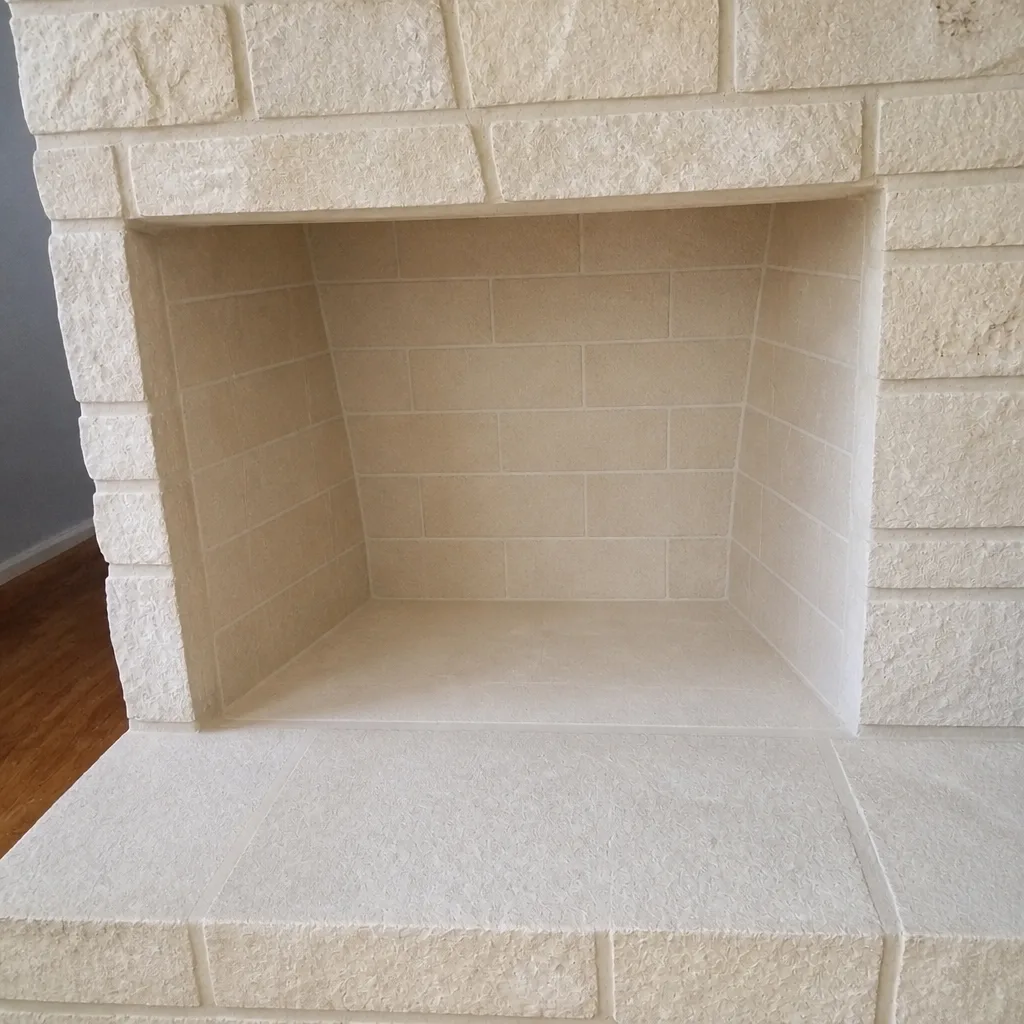
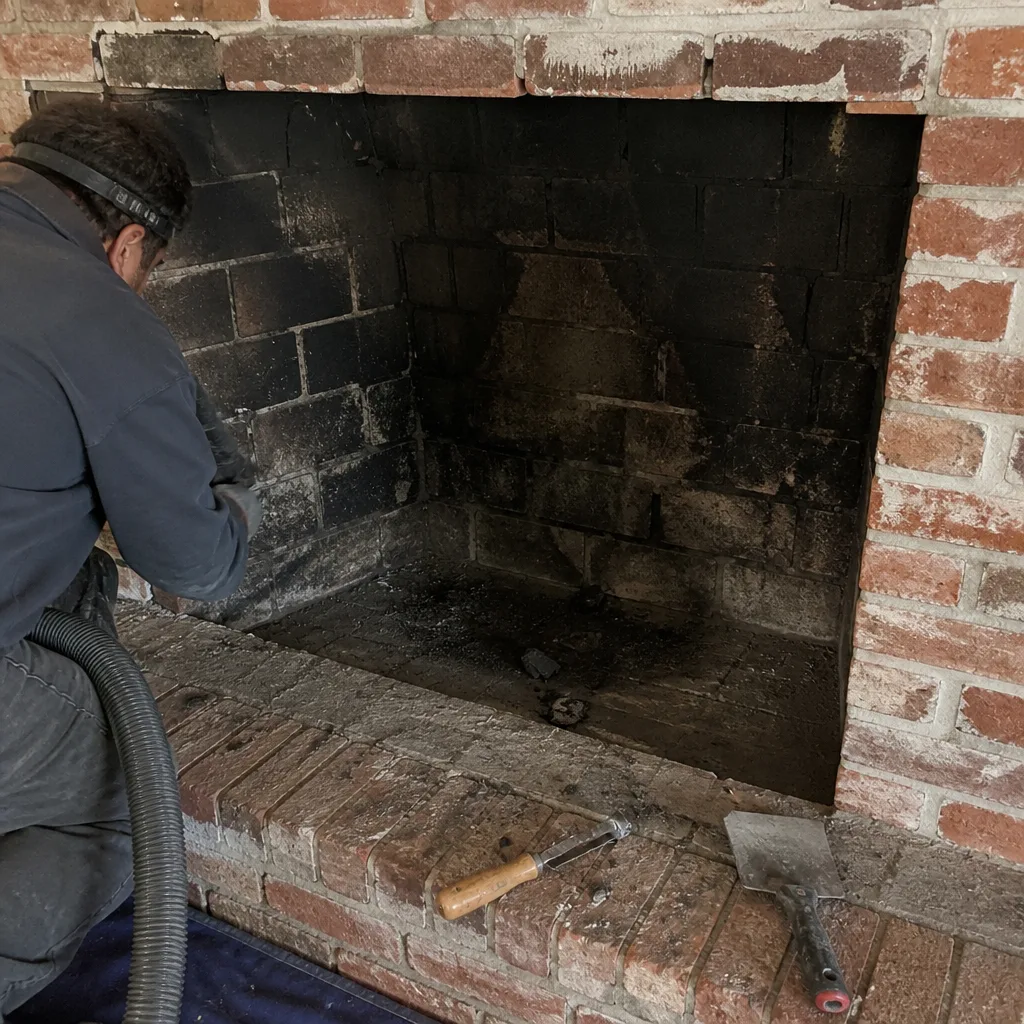
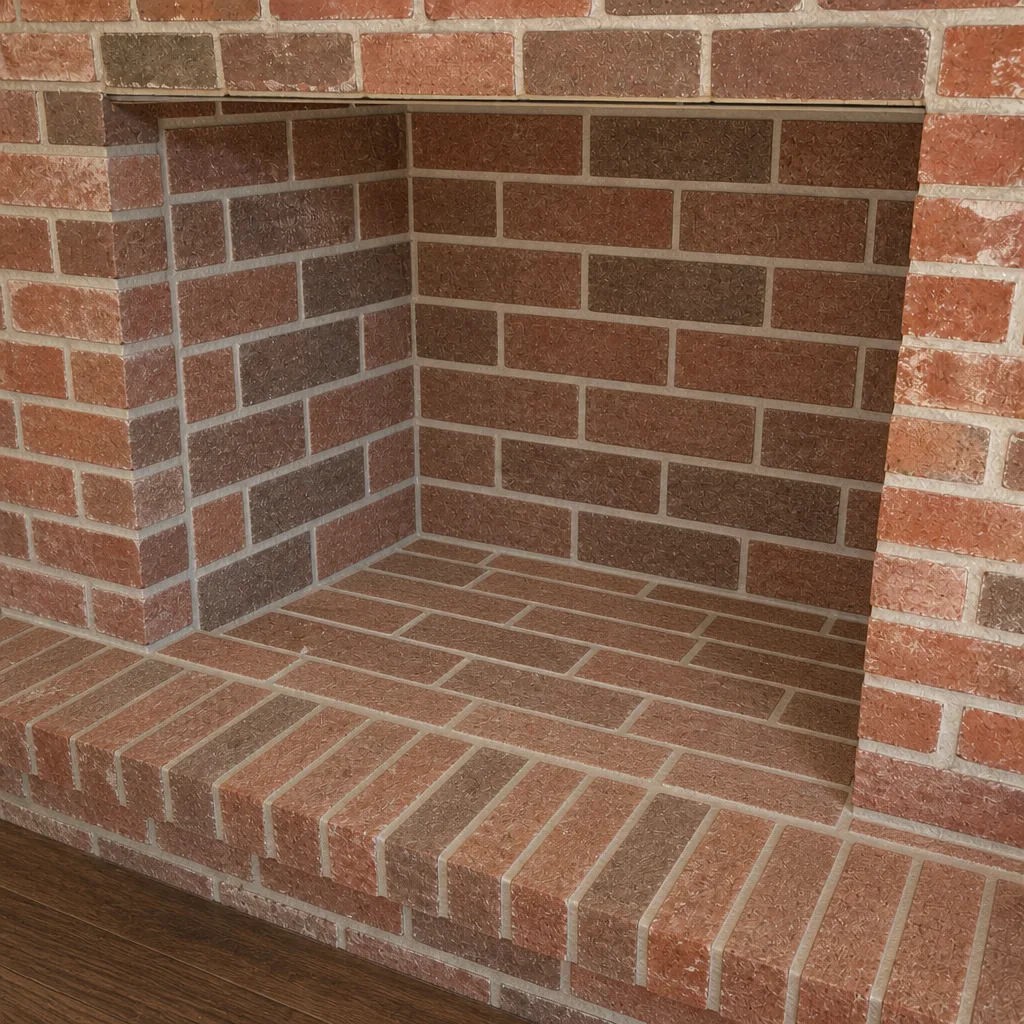
See the difference
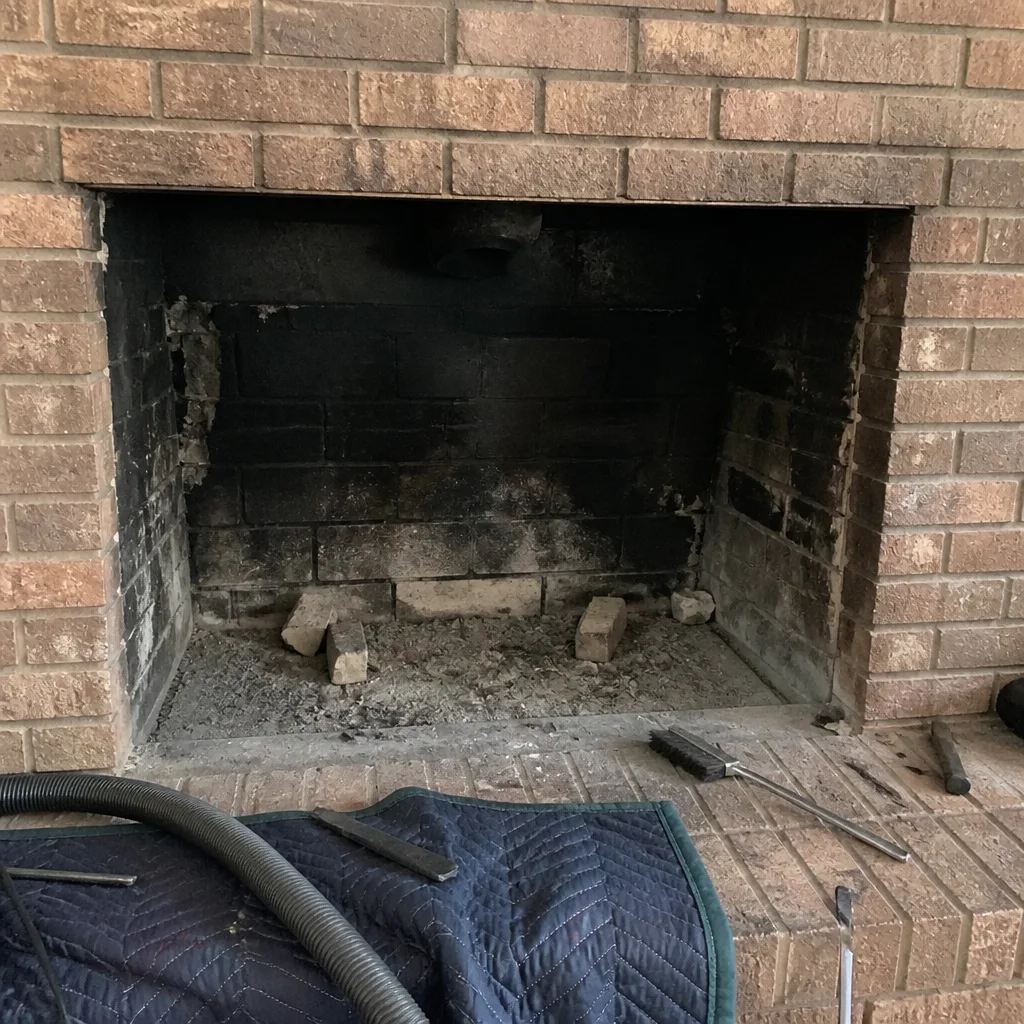 Before
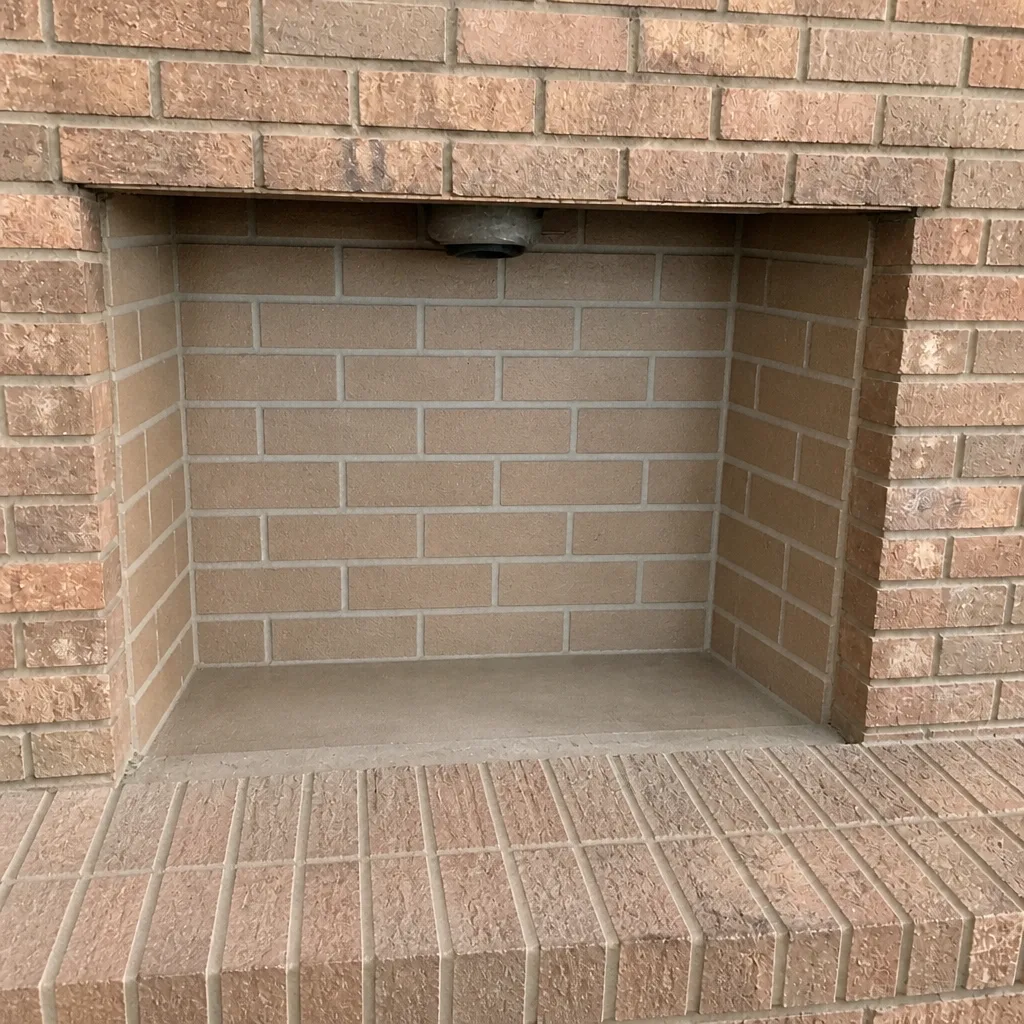 After
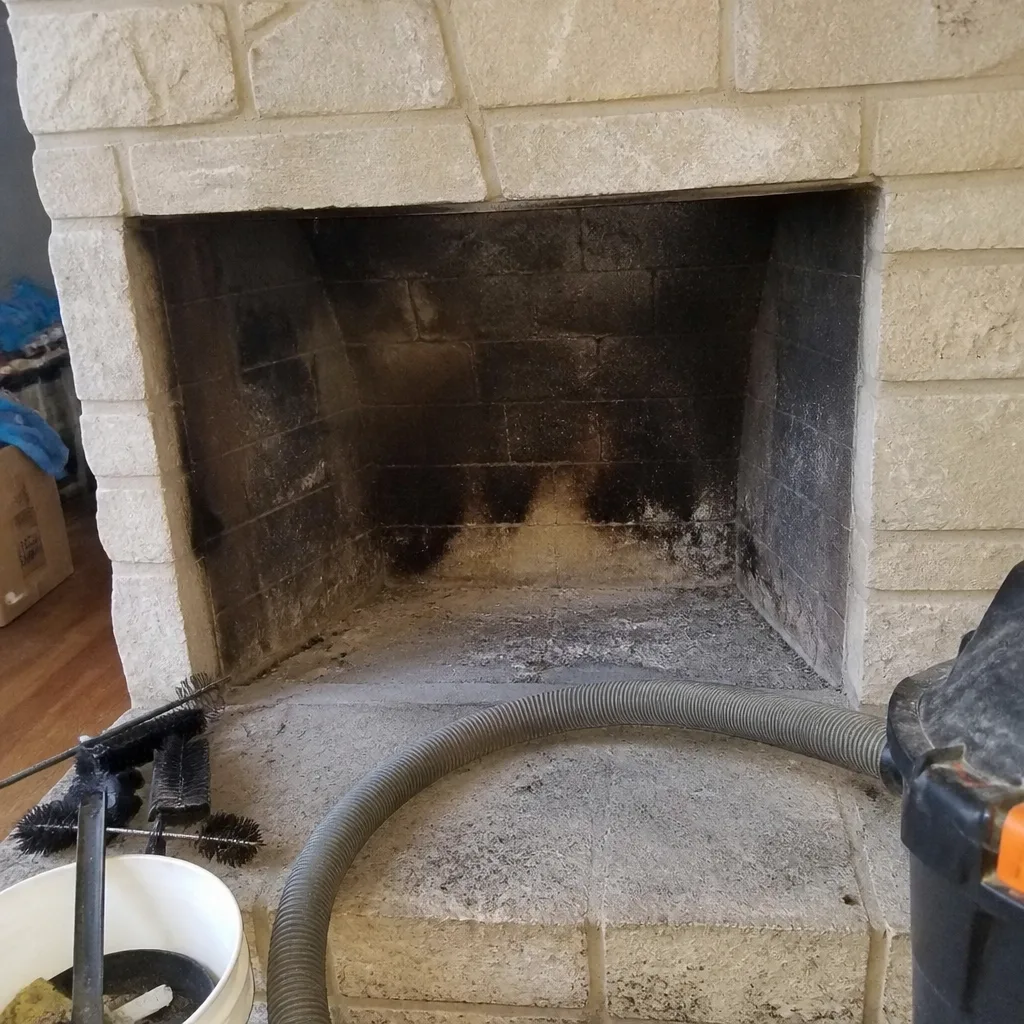 Before
 After
 Before
 After
Common Mistakes to Avoid
- Hiring on price alone. The cheapest liner quote is often a different product category than the professional-grade quote. Compare products, not just numbers, because a $X job installing a thin liner is not cheaper than a $Y job installing a spec-grade one – it just looks cheaper at the moment you sign.
- Accepting “we use the best materials” as an answer. That sentence contains no information. Any contractor can say it. Push for the brand name and the specific grade.
- Skipping the camera inspection to save the step. It’s tempting when a contractor says “it looks fine up top.” But without the camera view, there’s no way to see cracks that haven’t yet shown on the roofline. An inspection is what turns a guess into a diagnosis.
- Not asking for warranty terms in writing before work begins. Verbal warranties evaporate. The written version is the one that holds.
- Assuming a national chain is safer than a local specialist. Brand and material knowledge is what protects your home, and that knowledge sits with trained specialists regardless of company size or local market.
- Accepting a recommendation you can’t verify. If the contractor can’t show you the camera evidence behind a repair recommendation, don’t accept the scope. Any Deltona homeowner can ask to see the inspection screen on site; a legitimate contractor will pull it up.
- Buying a hardware-store cap to “save money.” A retail cap is a temporary barrier. A professional Gelco or Famco cap is a fixed, brand-documented part of the system. The savings are real at the moment of purchase and disappear at the first replacement.
When to Call a Professional
You should call a professional for anything involving the flue interior, the roof, or the chimney structure. That includes annual sweeps if you burn regularly, any visible exterior chimney damage like loose flashing or cracks in the crown, cap replacement, and any time you smell smoke in the house when the fireplace is closed – that’s a sign of a flue or cap problem you can’t diagnose from inside the room. It also includes a first inspection any time you’ve moved into a Deltona home whose chimney history you don’t have.
For a sweep or inspection, you can book without urgency. For a suspected flue failure, book promptly but calmly – a damaged flue is a safety concern, but it isn’t an emergency if the fireplace is simply dormant until it’s inspected. The point is not to wait through a season of burning on a flue no one has looked at.
Chimney Sweep Deltona offers free estimates in Deltona – call (888) 458-8065. We answer 24/7. Fast dispatch, 7am-7pm, Sunday through Friday. Our technicians have up to 9 years of experience, and we install professional-grade products by DuraFlex, HeatShield, Gelco, Copperfield, Famco, and Olympia Chimney.
Frequently Asked Questions
A routine chimney sweep in Deltona is priced per job by written estimate, based on the configuration of the chimney and the extent of any soot or creosote buildup. Every job is confirmed with a written quote before we book, so the price doesn’t shift after the work begins. If the sweep reveals something that needs a repair, we show you the camera evidence before recommending it. Call (888) 458-8065 for an exact quote – estimates are free.
Not always, and that’s the point. Many clay tile flues in Central Florida are structurally sound but have surface-level cracks and can be addressed with HeatShield ceramic resurfacing rather than a full DuraFlex liner replacement. Whether you need a liner depends on what the camera finds. Ask for the camera evidence behind any liner recommendation, and expect to see it. Call (888) 458-8065 for a free estimate with the findings in front of you.
If you burn wood regularly, an annual sweep before the burning season is the standard check-in. If you burn occasionally – a few fires a season – the right interval depends on how much creosote builds up, which a camera inspection can tell you. For a Deltona homeowner who uses a gas fireplace, the sweep cadence changes, but an annual look at the flue is still worth doing because the risk factors aren’t the same. Call (888) 458-8065 for a free estimate and we’ll talk through your specific usage.
Creosote builds up in the flue with use, and at certain concentrations it becomes combustible. That is a real fire risk, not a scare phrase – it’s the reason an annual sweep exists as a service. On the gas side, a blocked or damaged flue can compromise venting, which is a carbon monoxide concern. Neither is a reason to panic about a well-maintained chimney, but both are reasons not to leave one uninspected for years. Call (888) 458-8065 for a free estimate and inspection.
Precisely because you can’t see it. Once a liner is in, you’ll never examine it directly, so the material quality has to be decided before installation. A brand name with a spec sheet and a warranty is something you can hold in your hand and compare; “we use quality materials” isn’t. A contractor who names DuraFlex, HeatShield, Gelco, Copperfield, Famco, or Olympia Chimney is telling you the standard they hold themselves to. Call (888) 458-8065 for a free estimate and we’ll walk you through exactly what would go into your chimney.
Yes, in the long run it does. Central Florida’s humid summers mean moisture exposure cycles that differ from drier climates, and the practical effect on stainless steel is that alloy grade matters more than it does elsewhere. Higher-grade alloys hold up better under sustained humidity, and the grade should be chosen per part – cap, liner, connectors. A contractor who can explain the alloy grade they’re using is choosing for the local climate. Call (888) 458-8065 for a free estimate and a materials conversation.
The Bottom Line
The right chimney brand in Deltona is the one that comes with a name, a spec sheet, and a warranty you can read. Professional-grade materials from DuraFlex, HeatShield, Gelco, Copperfield, Famco, and Olympia Chimney aren’t luxury upsells – they’re the difference between a liner that lasts and a liner that fails quietly behind a wall. Use brand names as your vetting tool: ask which products will be installed, why those products over alternatives, and request the documentation before work begins. A specialist will answer cleanly. A generalist will change the subject. Either way, the question tells you what you need to know.
Written by the team at Chimney Sweep Deltona.