
Last updated November 15, 2026
 Sweep & inspection
 Caps & crowns
 Flue relining
 Masonry repair
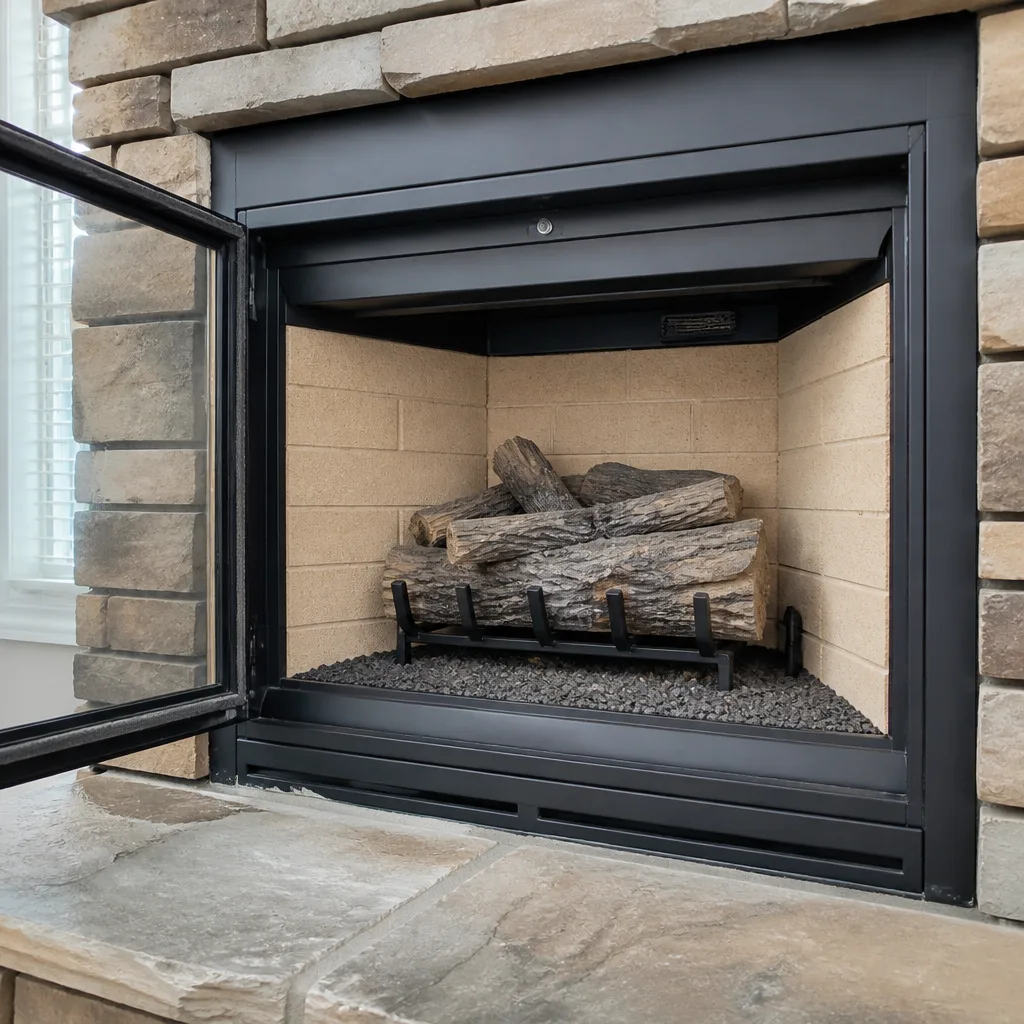 Gas fireplace service
Level 1 sweep and inspection to the NFPA 211 annual standard - flue, crown, cap, and flashing checked and photographed
Chimney sweep logs do not sweep chimneys. They loosen some creosote - which then falls where a brush and vacuum still have to collect it.
Chimney Sweep Troubleshooting in Deltona: Common Problems and How to Fix Them
Most chimney troubleshooting guides are written for cold-climate houses, and that’s the first reason they misfire in Deltona. Florida’s average relative humidity sits above 74% year-round, which changes how liners age, how mortar joints fail, and what moves into a flue that sits unused through the warmer months. The symptoms look familiar – a smoky fireplace, a musty smell after rain, white powder on the brick – but the root causes here are different. This guide maps each symptom to its actual cause in Central Florida, shows you which problems you can safely observe and document yourself, which need a camera inspection, and how to triage in the right order so you don’t waste money on the wrong repair.
Quick Answer
The most common chimney problems in Deltona come from humidity-driven liner degradation, insect and pest colonization of unused flues, and mortar joint failure from the heat-and-rain cycle – not from heavy snow or freeze damage. White efflorescence usually points to moisture moving through the masonry, a musty odor after rain often means water is entering at the crown or flashing, and smoke rollback typically traces to a blocked or undersized flue. Anything involving cracks in the liner, crumbling mortar inside the flue, or a strong creosote smell calls for a professional camera inspection before you burn again.
Styles & brands we work with
- Sweep & inspection
- Caps & crowns
- Flue relining
- Masonry repair
- Gas fireplace service
Table of Contents
- Why Chimney Troubleshooting in Deltona Is Different
- Symptom-to-Cause Map for Deltona Chimney Problems
- White Efflorescence and Musty Odors After Rain
- Palmetto Bugs, Wasps, and Unused Flues
- Mortar Joint Failure and HeatShield Resurfacing
- Smoke Rollback and Draft Problems
- Triage Sequence: What to Check First
- What You Can Safely Observe vs. What Needs a Camera
Why Chimney Troubleshooting in Deltona Is Different
Chimneys in Deltona face a challenge most national guides never address: long stretches of high humidity with occasional soaking rain, followed by intense heat that drives moisture out of the masonry. That cycle repeats constantly. Brick and mortar absorb water vapor from humid air, then release it as temperatures climb. The repeated expansion and contraction is gentle compared to a freeze-thaw cycle, but it’s relentless, and over years it wears on the joints and the liner.
Compare that to the scenario most troubleshooting guides assume: a chimney that runs hard all winter and sits dormant in the summer. In Deltona, many fireplaces run for a few cool weeks and sit unused the rest of the year. From a chimney’s perspective, an unused flue in a humid climate is a wet, dark, sheltered cavity – exactly the environment pests and moisture problems favor.
Our technicians have up to 9 years of experience working on chimneys across Volusia County, and the pattern is consistent. The problems we see in Deltona are rarely about heavy use. They’re about the climate the chimney sits in when nobody’s watching it. That’s why troubleshooting here starts with moisture and pests, not creosote alone.
Symptom-to-Cause Map for Deltona Chimney Problems
Before you call anyone, the single most useful thing you can do is note exactly what you’re seeing and when it happens. That information shortens the diagnostic process and helps a technician arrive prepared. Here’s how symptoms commonly map to causes in Deltona’s climate:
- White, chalky powder on exterior brick – efflorescence. Moisture is migrating through the masonry and leaving mineral deposits on the surface. Usually points to a water entry problem at the crown, flashing, or mortar joints.
- Musty or damp smell inside the firebox, especially after rain – water is entering the flue. Common sources are a failing crown, deteriorated flashing, or a missing or damaged cap.
- Smoke rolling back into the room when you light a fire – blockage or poor draft. Insect nests, debris, or an improperly sized flue are frequent culprits.
- Rust-colored stains on the firebox or damper – moisture has been present long enough to corrode metal components.
- Crumbling mortar visible inside the firebox – heat and moisture have degraded the mortar joints; this often signals the flue liner behind it needs inspection.
- Dead insects, shells, or droppings in the firebox – pests have colonized the flue. Draft performance and liner condition both need checking.
- Strong, acrid creosote smell even when not burning – creosote buildup in the flue, made worse by restricted airflow.
Match your symptom to the list, write down when it appears (after rain, on first light-up, all the time), and you’ll have a head start. A chimney sweep appointment is the right first step for most of these.
White Efflorescence and Musty Odors After Rain
Efflorescence is the white, powdery stain that shows up on exterior brick. It’s not mold, and it’s not damage by itself – it’s salt and mineral deposits left behind when water moves through the masonry and evaporates. But it is a symptom worth taking seriously. Where there’s efflorescence, water is getting into the chimney structure somewhere.
In Deltona, that “somewhere” is usually one of three places:
- The crown. The concrete or mortar cap at the top of the chimney. Small cracks from heat and rain open up over time, letting water run down into the masonry.
- The flashing. The metal seal where the chimney meets the roof. Florida sun and seasonal rain wear on the sealant and the metal itself.
- The brick and mortar joints. Older, more porous mortar absorbs moisture from humid air and rain and holds it.
A Gelco cap installed correctly keeps rain and animals out and allows exhaust to escape. That’s why we use Gelco on caps – it’s a professional-grade product that handles the sun and humidity without the cracking and rust that cheaper caps develop. If a musty smell appears inside the house after rain, the cap and crown should be the first things checked during a chimney repair visit.
Efflorescence alone usually doesn’t mean you need major work. It means you need the water source found and sealed. That’s a repair, not a rebuild, in most cases.
Palmetto Bugs, Wasps, and Unused Flues
This is the Deltona chimney problem that surprises homeowners most, and the one national guides almost never mention. A flue that sits unused through warm months is a dry, dark, protected tunnel – which is exactly what palmetto bugs, wasps, and other insects look for. A chimney with a missing or loose cap is an open invitation.
What happens next matters for more than pest control:
- Nests block the flue. Wasp nests and debris reduce the opening and restrict airflow, which causes smoke rollback the first time you light a fire in the fall.
- Droppings and carcasses accumulate. These create odors and can hold moisture against the liner.
- Draft performance suffers. A flue that’s partially blocked won’t pull properly, even if it looks clear from the firebox.
The fix has two parts. First, the flue needs to be swept and cleared of nests and debris before the burning season. Second, the entry point needs to be closed off with a proper cap. We use Gelco and Olympia Chimney caps because they hold up to sun and rain and keep pests out without trapping exhaust. A cap that fits and seals correctly is what stops the cycle from repeating next year.
If you’ve seen wasps or roaches around the firebox, don’t wait until the first cold snap. Get the flue cleared and the cap checked now, before the season sneaks up.
Mortar Joint Failure and HeatShield Resurfacing
Mortar joints in a Deltona chimney take a specific kind of beating: absorbed moisture from humid air, occasional soaking rain, then rapid drying and heat. Over time, joints crack, crumble, and lose their grip. You’ll notice it as sandy grit in the firebox, visible cracks between bricks, or loose pieces of mortar.
What most homeowners don’t realize is that the same deterioration can be happening inside the flue, where you can’t see it. Cracked or missing mortar inside the flue allows heat, gases, and moisture to reach the structure behind it. That’s a real safety concern, not a cosmetic one. A damaged flue liner can let heat reach combustible material, and a compromised flue is a carbon monoxide risk if gases escape into the house instead of venting out.
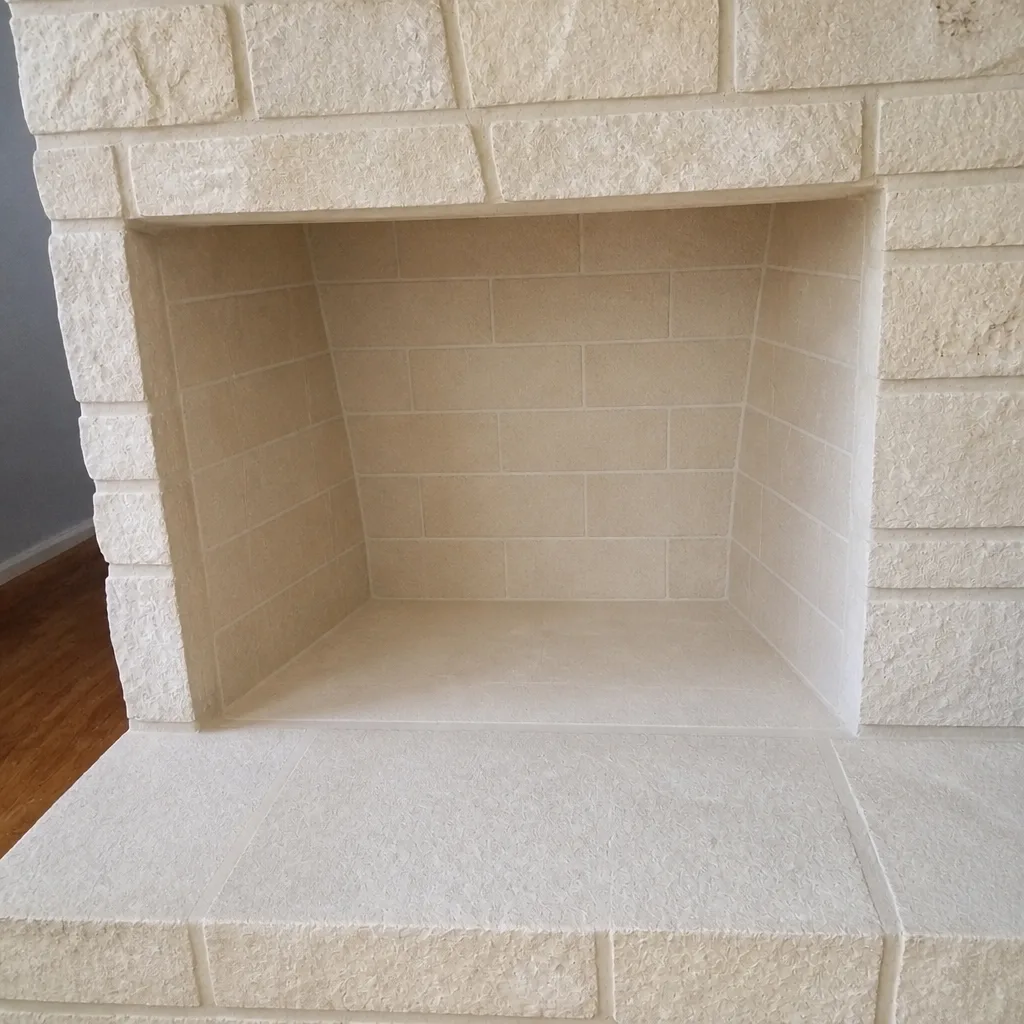
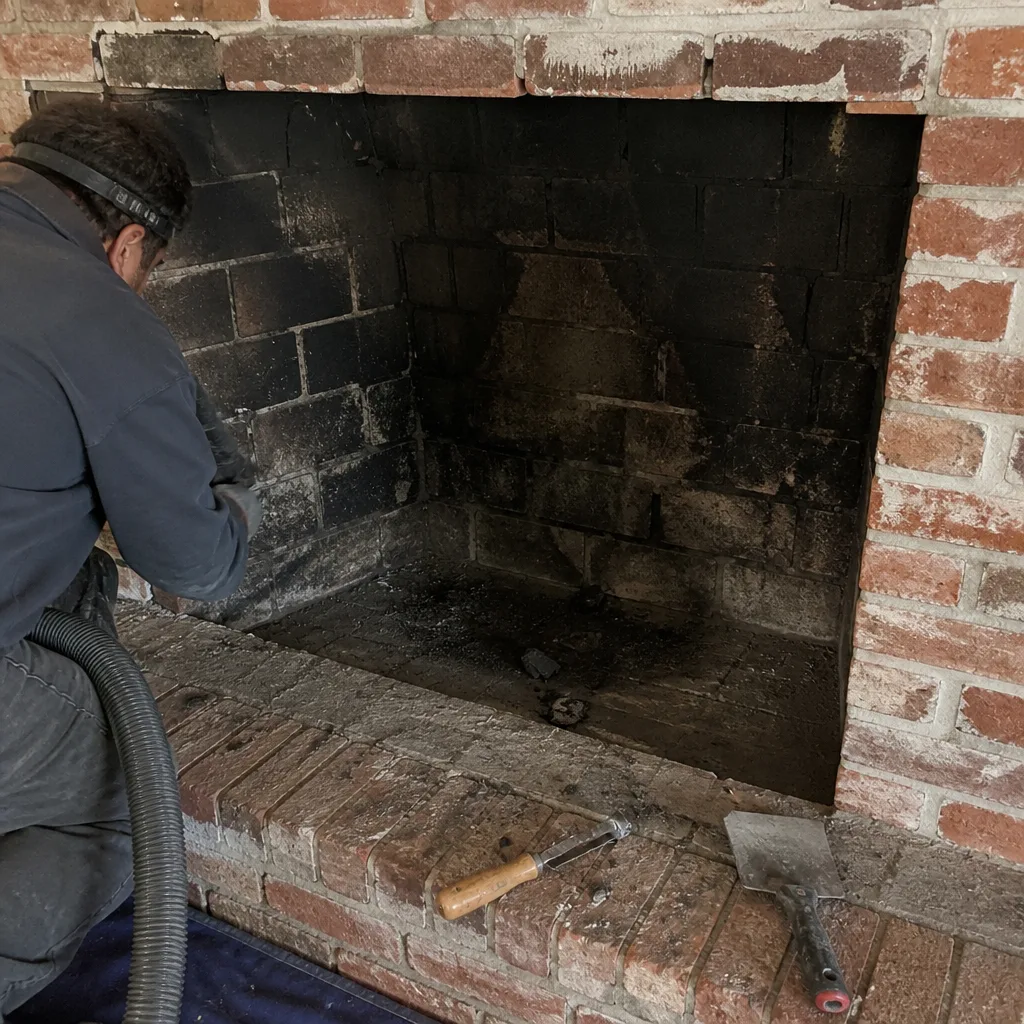
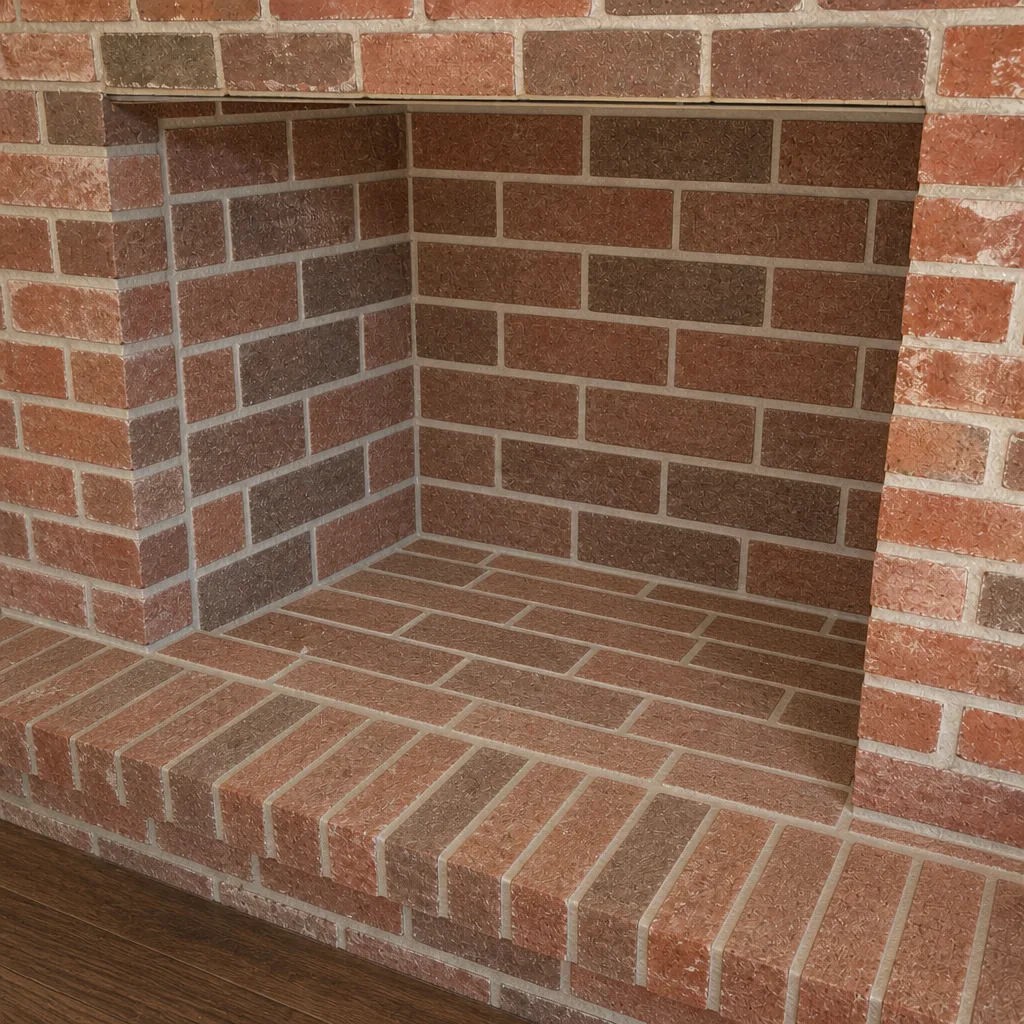
Here’s where materials matter. Instead of jumping straight to a full reline, some flues can be repaired with HeatShield ceramic resurfacing – a specialized process that fills and smooths cracks in the existing liner, restoring its integrity without full replacement. We offer HeatShield because it’s a genuinely different repair path, and it’s not something every chimney company can perform. It requires trained application and a proper assessment of whether the underlying liner is sound enough to resurface.
When the liner is too far gone for resurfacing, a DuraFlex flexible liner system provides a full structural solution. We use DuraFlex because it’s designed to reline flues that standard brushing or patching cannot fix, and it handles the offsets and angles common in older chimneys. The decision between resurfacing and relining depends on what a camera inspection shows – not on a sales conversation.
Smoke Rollback and Draft Problems
Smoke rolling back into the room is the problem homeowners notice first because it’s impossible to ignore. In Deltona, the cause usually falls into one of these categories:
- A blocked flue. Nests, debris, or heavy creosote are narrowing the opening. This is the most common cause after a long dormant season.
- An undersized flue. The fireplace and flue don’t match, so the flue can’t move enough air to carry smoke up and out.
- Pressure problems in the house. Modern homes are tighter than older ones. Exhaust fans, HVAC systems, and even a closed-off room can create negative pressure that pulls smoke into the room instead of up the flue.
- A cold flue. On the first fire of the season, a cold flue can be slow to establish draft until it warms up.
Before assuming the worst, check a few simple things. Is the damper fully open? Is the flue cap clear of debris? Have you tried cracking a nearby window to see if pressure is the issue? If smoke still rolls back after those checks, the flue needs a proper inspection. A camera view will tell you whether you’re dealing with blockage, sizing, or something more structural – and let you see the evidence yourself rather than taking anyone’s word for it.
Triage Sequence: What to Check First
When something seems wrong with your chimney, the order you address it in matters. Some problems can wait for a scheduled appointment. Others mean you should stop using the fireplace now. Here’s how we recommend prioritizing:
- Stop burning if you smell gas, see smoke backing up persistently, or notice a strong creosote smell with no fire lit. Those signals mean something needs professional eyes before the next burn.
- Check the firebox visually. Look for crumbling mortar, rust on the damper, or debris. Note what you see and where.
- Check the exterior from the ground. Look at the crown and cap for visible damage or missing pieces. Use binoculars if you have them – don’t climb the roof.
- Note the timing of symptoms. Do they appear after rain? On first light-up? Only when the HVAC is running? That pattern is diagnostic.
- Schedule a sweep and inspection. Most issues – creosote buildup, nests, early mortar deterioration – get caught here before they become expensive.
- Hold off on repairs you didn’t authorize. Any recommended repair should come with camera evidence you can review.
What can wait for a scheduled appointment? Efflorescence with no interior symptoms, a slightly loose cap, minor exterior mortar wear. What shouldn’t wait? Smoke rollback that persists, visible liner cracks, or any carbon monoxide alarm in the home.
What You Can Safely Observe vs. What Needs a Camera
We don’t want you climbing onto a roof or reaching into a firebox with tools. Some observations are genuinely useful and completely safe. Others require training and equipment to do properly.
Safe for you to observe and document:
- Visual appearance of the firebox, damper, and firebox walls
- Efflorescence, staining, or cracks visible from the ground (binoculars help)
- Timing of odors and smoke – after rain, on first light-up, when HVAC is running
- Presence of pests, shells, or debris in the firebox
- Any carbon monoxide alarm activation – note it, then call
Needs a trained professional with a camera:
- Liner condition inside the flue
- Mortar joint integrity beyond the firebox
- Creosote levels in the flue above the firebox
- Draft measurement and flue sizing
- Nest and debris removal from the flue
This is the reason we include a camera inspection and photo report on every sweep. We show you what we find – the actual footage of your flue, not a verbal description – before recommending any repair. If a liner is fine, we say so. If a repair can wait a season, we tell you that too.
Common Mistakes to Avoid
- Burning before the first sweep of the season. After months of dormant flue, a quick sweep clears nests, debris, and creosote before they cause a problem. Skipping it is how smoke rollback starts.
- Ignoring a musty smell after rain. That smell is moisture inside the flue. Left alone, it corrodes the damper and weakens the liner. Deal with it early and the repair is usually small.
- Assuming a chimney with no visible problems is safe. Many Deltona chimneys develop interior liner cracks that show no exterior sign. That’s what the camera inspection is for.
- Hiring whoever is cheapest without checking materials. A cheap sweep that brushes but doesn’t inspect, or a repair using generic parts rather than professional-grade products, costs more in the long run. Ask what materials will be installed.
- Reaching into the firebox with tools to clear debris. You can’t see what’s above you. Nest removal and flue cleaning require a camera and proper tools.
- Putting off a cap replacement. A missing or damaged cap is the single biggest reason pests get into Deltona flues. It’s a small repair that prevents a whole category of problems.
- Treating smoke rollback as normal. Some rollback on the very first fire of the season can be a cold flue. Persistent rollback is a sign of blockage or poor sizing that needs a professional look.
See the difference
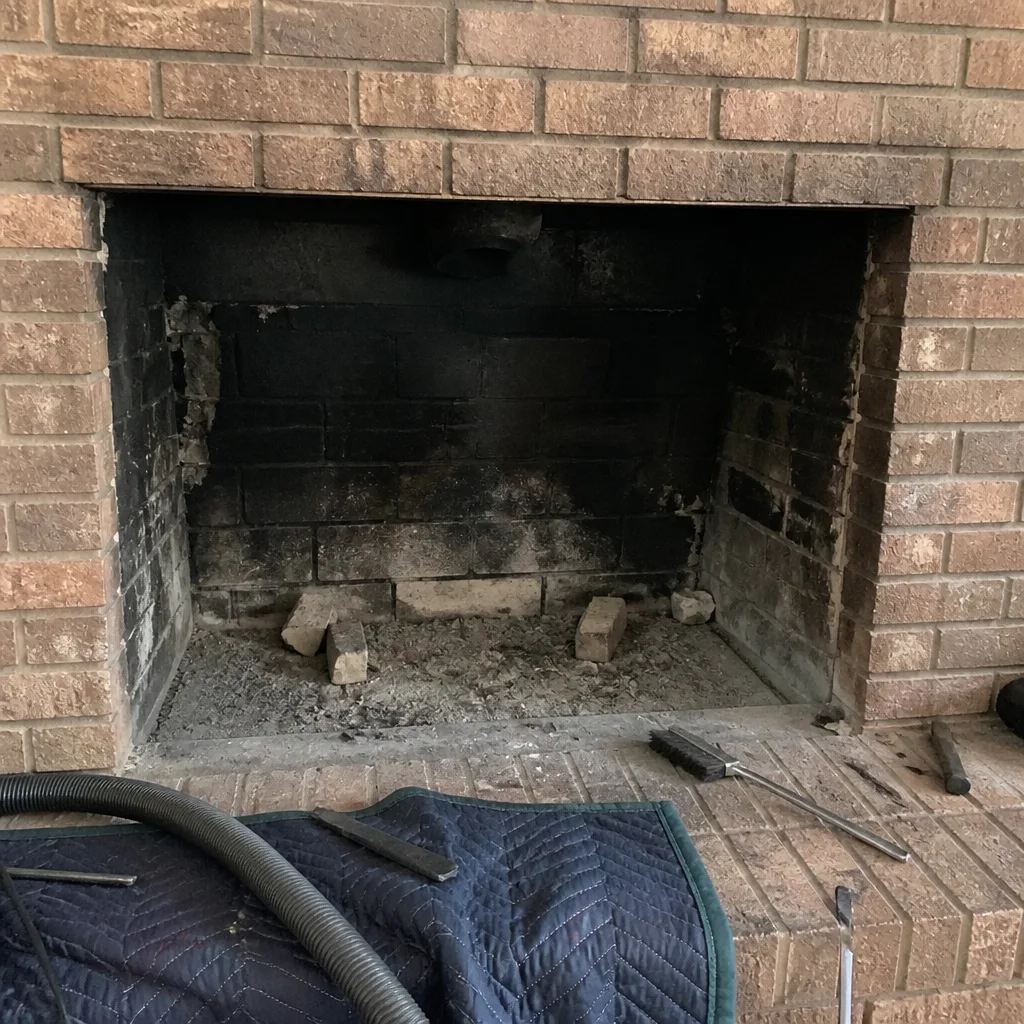 Before
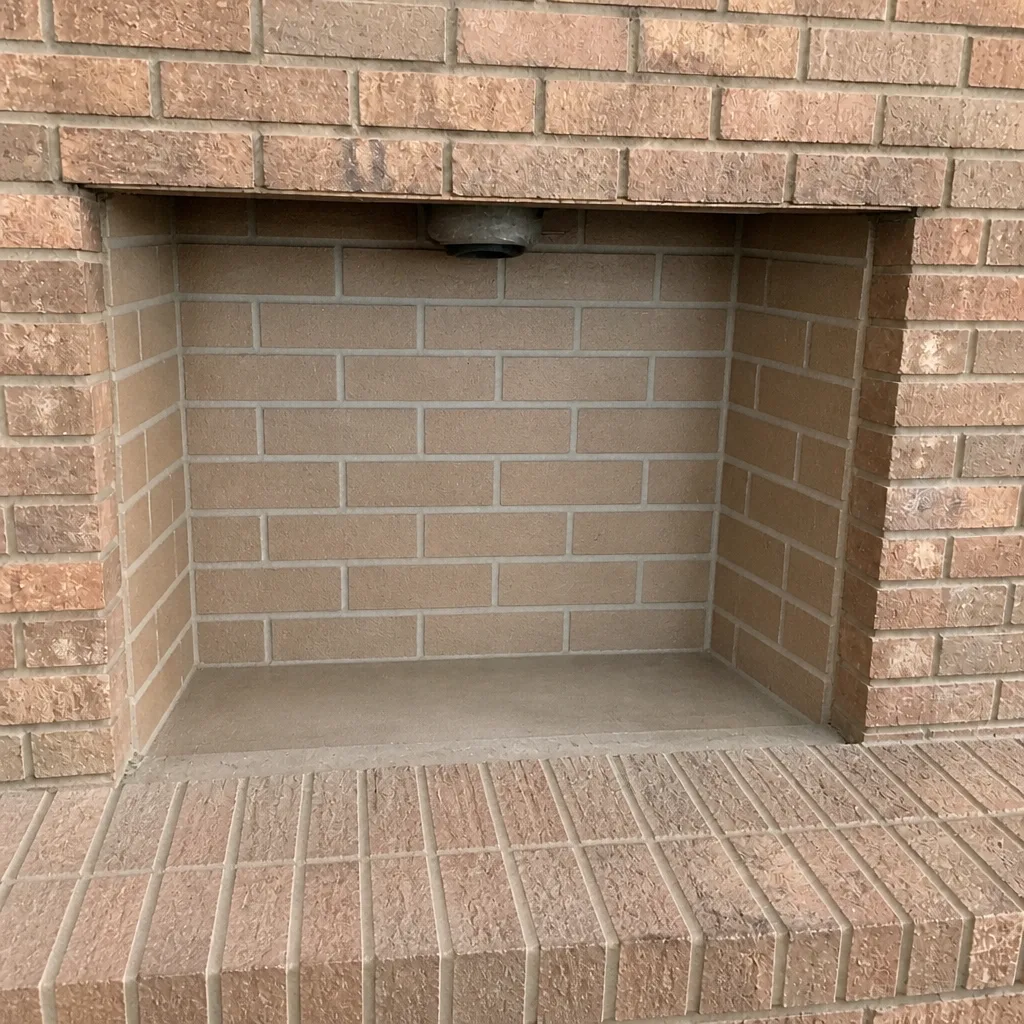 After
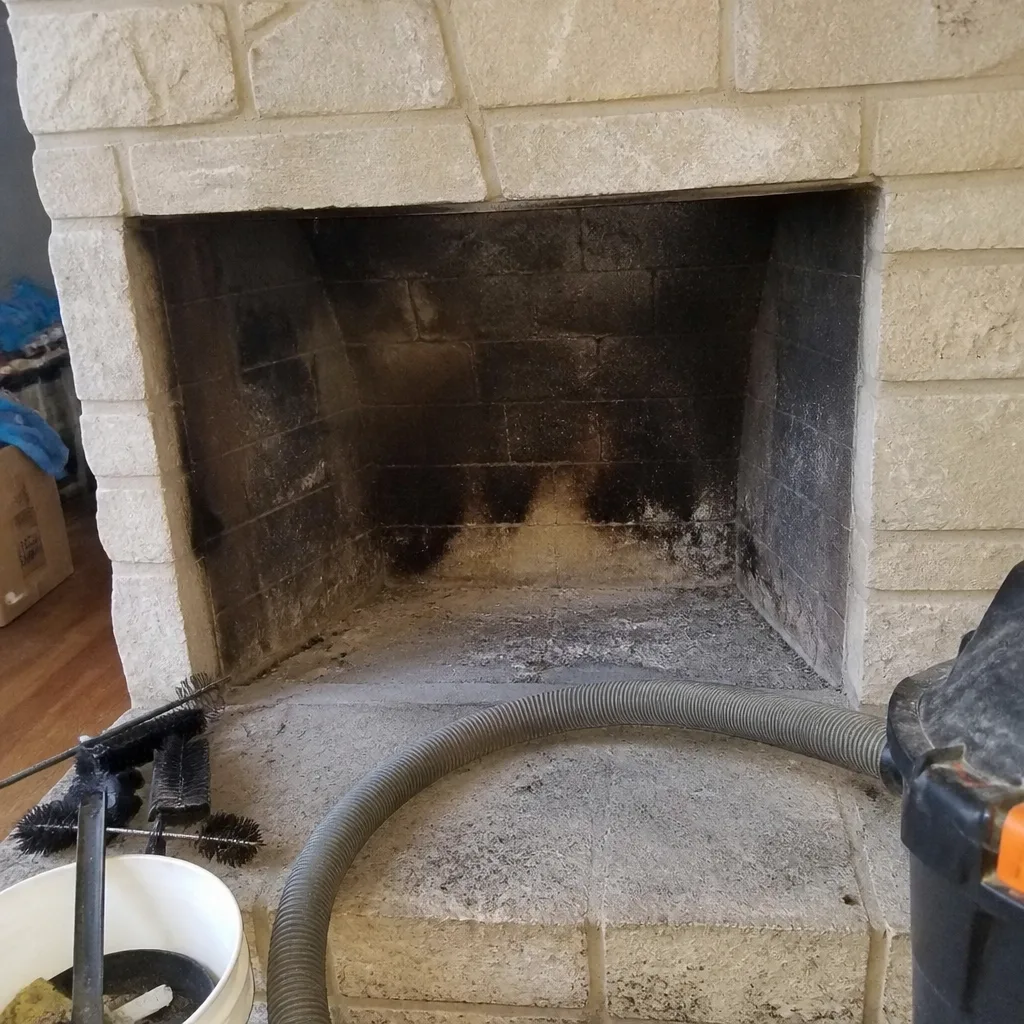 Before
 After
 Before
 After
When to Call a Professional
Call a professional before you burn again if you smell gas, if a carbon monoxide alarm sounds, if smoke rolls back persistently, or if you can see cracked or crumbling mortar inside the firebox. Any of these is a reason to stop using the fireplace until the chimney has been inspected.
Call to schedule a sweep and inspection if it’s been more than a year since the last one, if there’s a musty smell after rain, if you’ve seen pests in the firebox, or if white efflorescence is spreading on the brick. These are all things that get easier and cheaper to fix the earlier they’re caught.
Chimney Sweep Deltona offers free estimates in Deltona – call (888) 458-8065. We answer 24/7. Fast dispatch from 7am to 7pm, Sunday through Friday. We bring a camera, we show you what we find, and we tell you plainly when a repair can wait.
Frequently Asked Questions
The most common chimney problems in Deltona come from humidity, pests, and the heat-and-rain cycle: white efflorescence from moisture entering the masonry, musty odors after rain, pest nests in unused flues, and mortar joint deterioration. Smoke rollback on first light-up after a dormant season is also frequent. None of these are unusual, and all have specific fixes. If you’re seeing any of them, calling for an inspection is the fastest way to know what you’re actually dealing with. Call (888) 458-8065 for an exact quote – estimates are free.
A chimney should be swept at least once a year, and more often if it’s used heavily or burns unseasoned wood. Even a chimney that only runs a few weeks a year benefits from an annual sweep, because Florida’s climate lets pests and moisture problems develop in the dormant months. The sweep is also when the inspection happens, so an annual appointment catches small issues before they turn into repairs. Call us to schedule – estimates are free.
A musty smell after rain means water is getting into the chimney structure somewhere – usually the cap, the crown, or the flashing. It’s not a normal chimney smell, and left alone it leads to liner corrosion and mortar damage. The fix starts with locating the entry point, which an inspection identifies quickly. Call (888) 458-8065 for an exact quote – estimates are free.
Many liners can be repaired with HeatShield ceramic resurfacing rather than replaced. Whether yours is a candidate depends entirely on what a camera inspection shows – the size and location of any cracks, and whether the underlying liner is sound enough to resurface. We don’t recommend a reline unless the footage supports it. If resurfacing is a safe option, we’ll say so. Call (888) 458-8065 for an exact quote – estimates are free.
Skipping chimney maintenance means creosote builds up, nests and debris accumulate, and liner damage goes unnoticed until a symptom shows up – usually smoke rollback or a strong smell. The real concern is safety: a damaged flue can let heat reach nearby combustible material, and blocked or compromised venting is a carbon monoxide risk. Nothing is worth risking that. Call (888) 458-8065 – estimates are free.
Don’t burn until the flue has been cleaned and inspected. Pests in the firebox usually mean there’s a nest or debris clogging the flue above, which will cause smoke rollback at minimum and could hide liner damage. A sweep clears the flue and a camera check confirms the liner is intact. Then it’s safe to burn. Call (888) 458-8065 for an exact quote – estimates are free.
The Bottom Line
Chimney problems in Deltona trace back to a handful of causes: humidity-driven moisture damage, pests in dormant flues, mortar wear from the heat-and-rain cycle, and blocked or undersized flues causing draft issues. Match your symptom to the cause, triage in the right order, and hold off on anything that requires climbing a roof or reaching into the flue. The right first step is almost always a sweep and a camera inspection, because that’s what turns a guess into real evidence you can see. We use professional-grade materials – HeatShield for resurfacing, DuraFlex for relining, Gelco and Olympia Chimney for caps – so you know exactly what’s going into your home. Chimney Sweep Deltona is a full-service chimney specialist for Deltona homeowners: sweeps, repairs, and inspections in one relationship.
Call (888) 458-8065. We answer 24/7. Fast dispatch from 7am to 7pm, Sunday through Friday.
Written by the team at Chimney Sweep Deltona.