
Last updated November 15, 2026
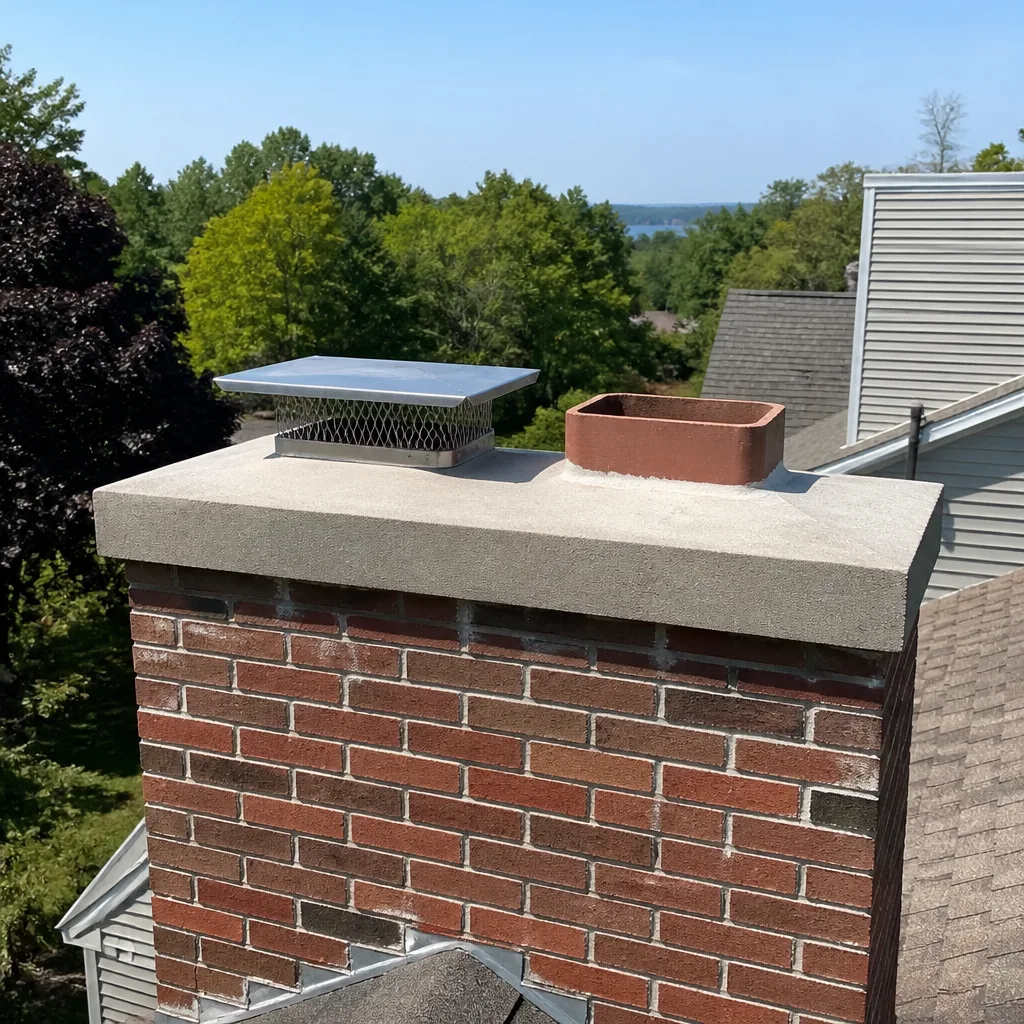 Sweep & inspection
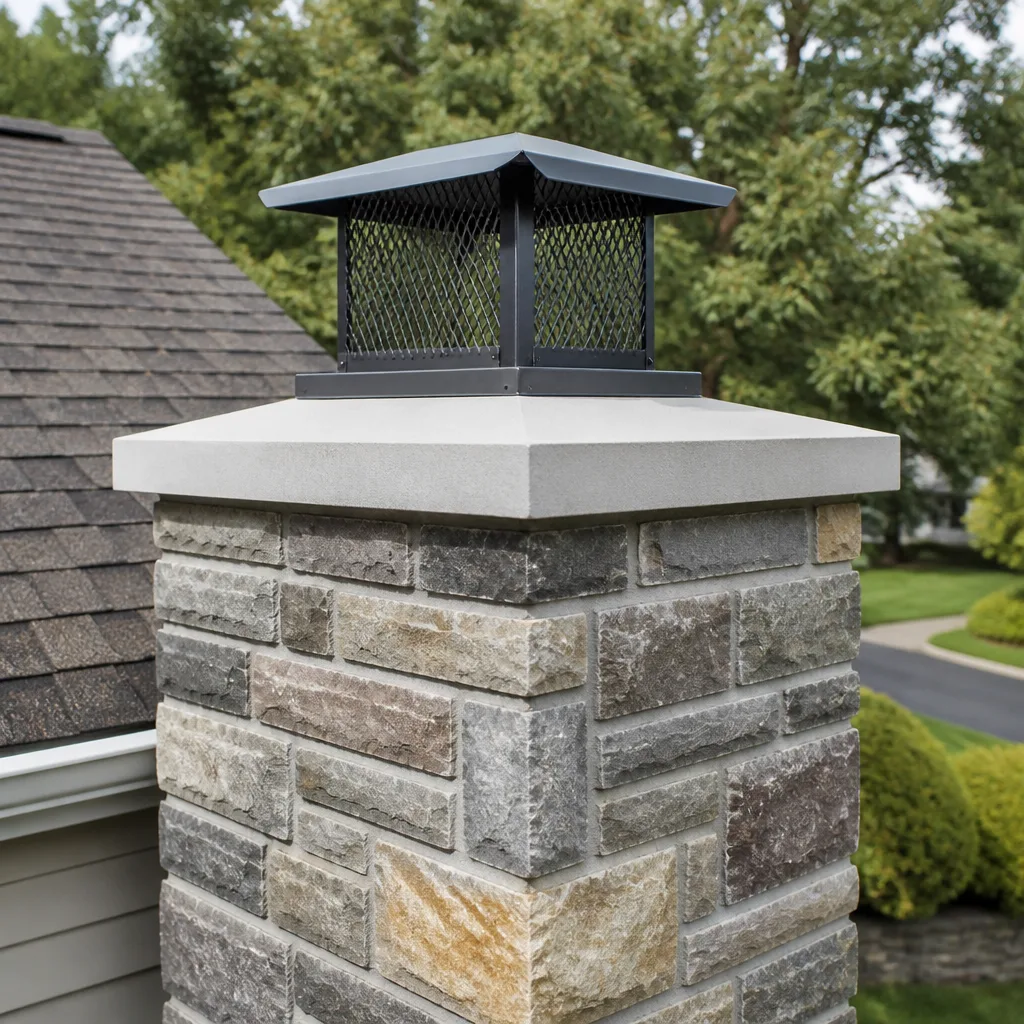 Caps & crowns
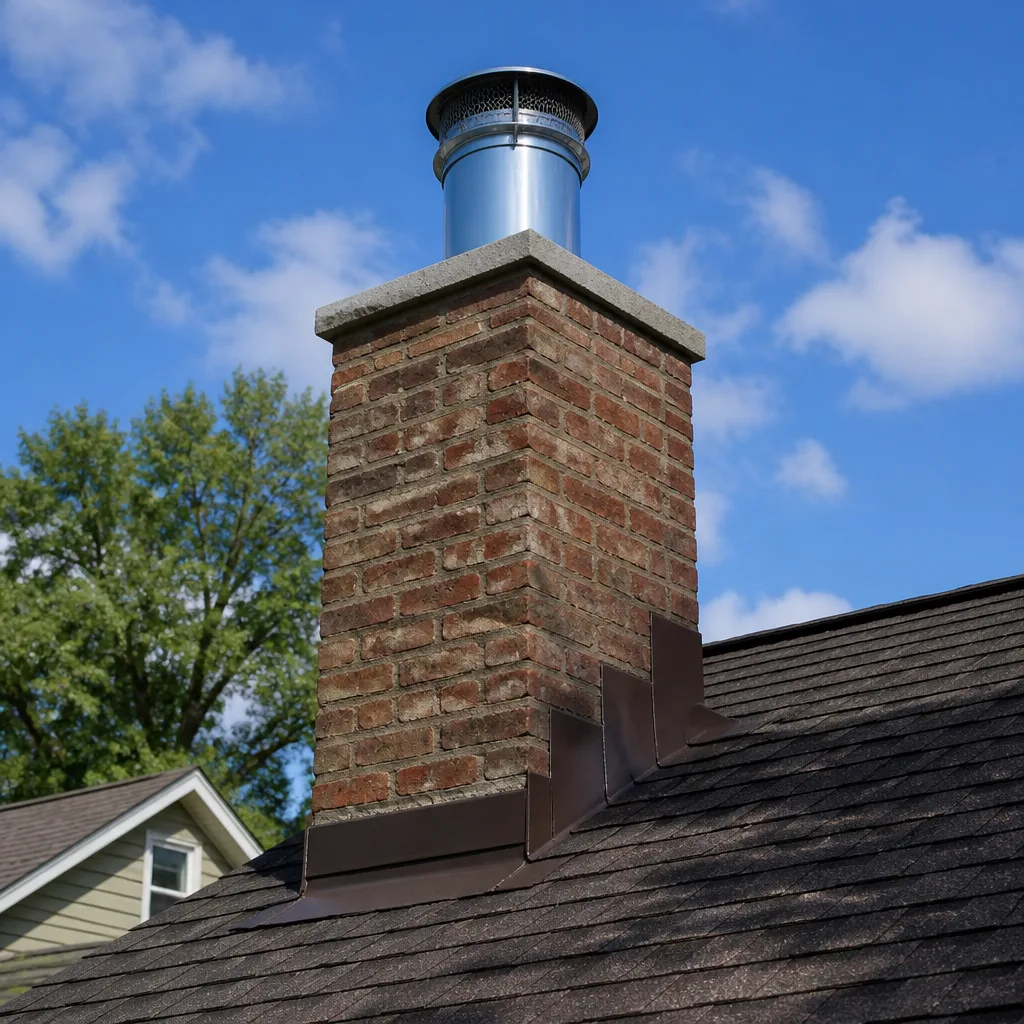 Flue relining
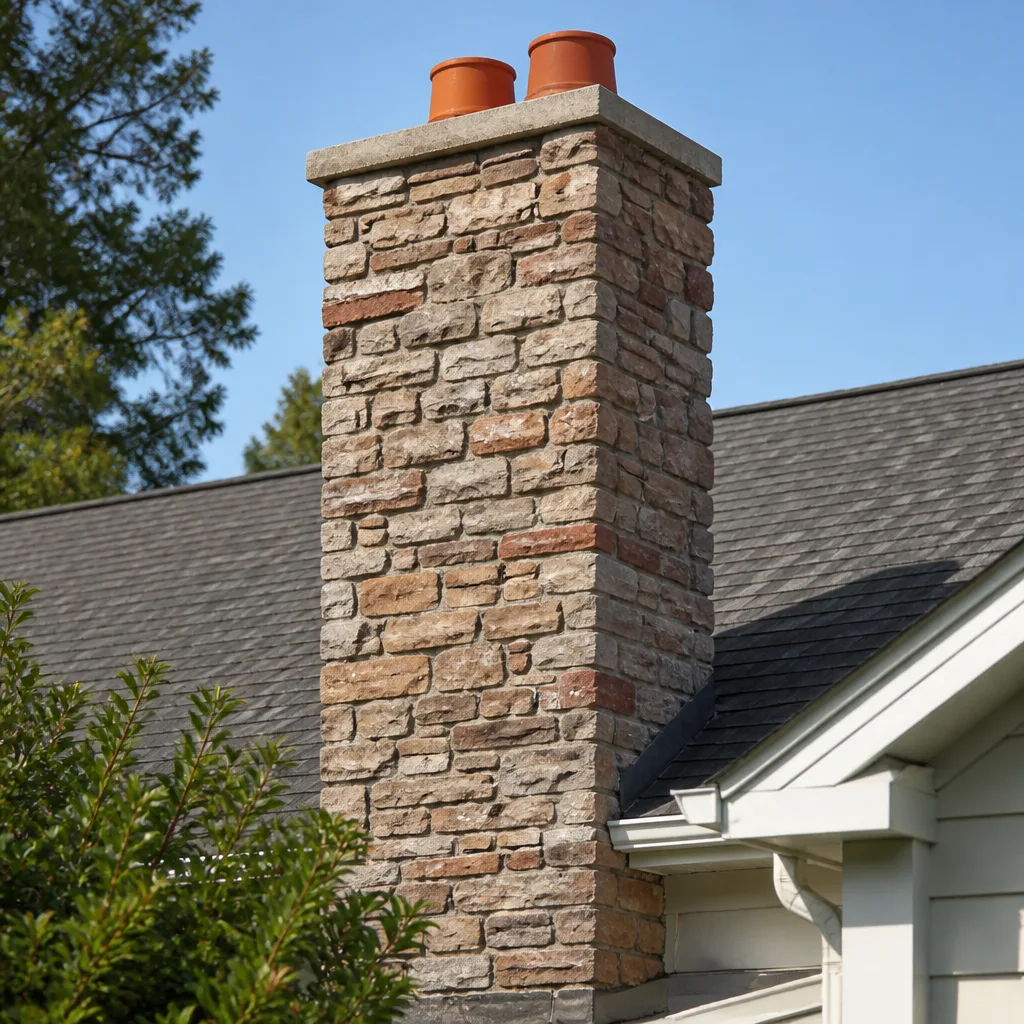 Masonry repair
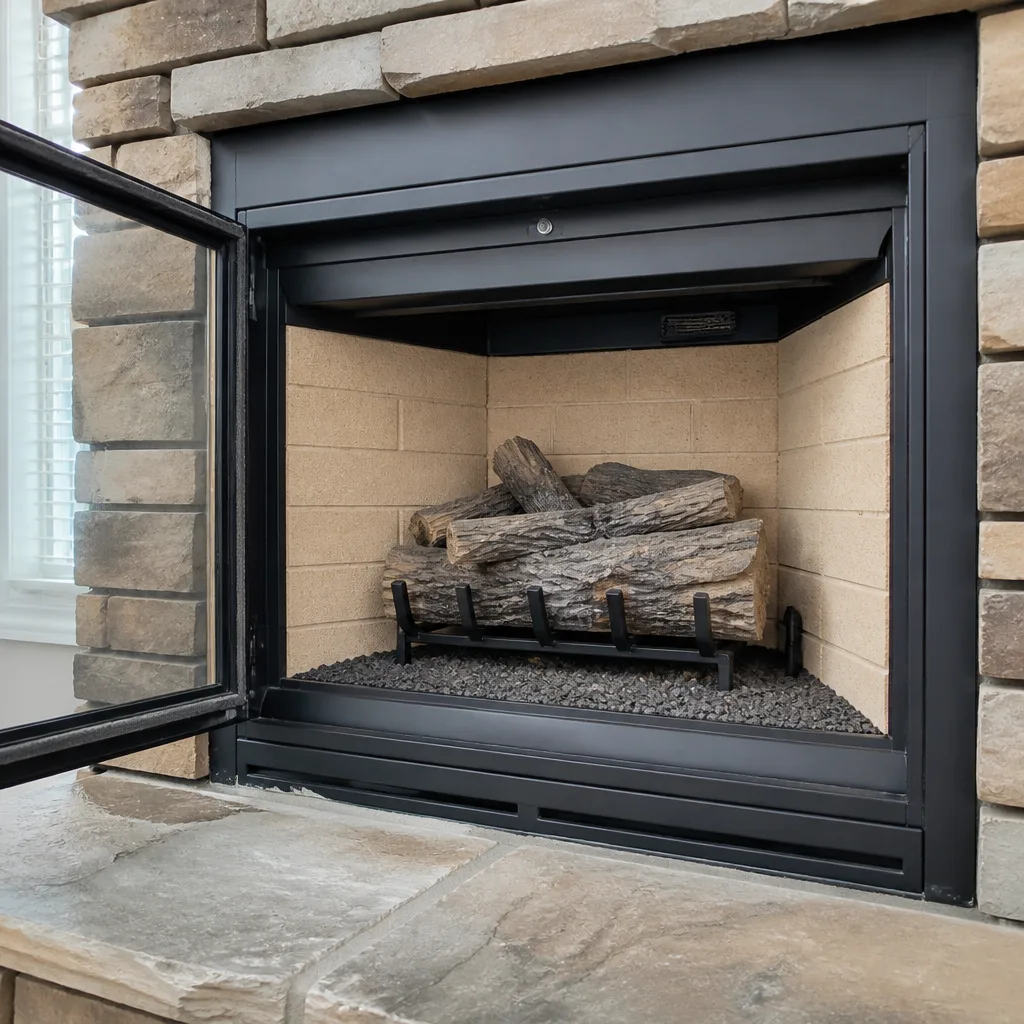 Gas fireplace service
Level 1 sweep and inspection to the NFPA 211 annual standard - flue, crown, cap, and flashing checked and photographed
Chimney sweep logs do not sweep chimneys. They loosen some creosote - which then falls where a brush and vacuum still have to collect it.
How to Hire a Chimney Cleaning Contractor in Deltona: A Step-by-Step Guide
Here’s the part most homeowners don’t learn until it’s too late: Florida doesn’t license chimney sweeps. There’s no state credential that says the person quoting your cleaning actually knows what a flue liner is. So a pressure-washing company can print “chimney cleaning” on a flyer and be technically correct. That gap is why hiring well in Deltona takes more than comparing three quotes. You need to know which credentials matter, which questions separate a specialist from an opportunist, and how to read an estimate so “cleaning” doesn’t quietly mean “a brush and a shop vac.” This guide gives you the vetting framework we’d want our own families to use.
Quick Answer
To hire a chimney cleaning contractor in Deltona, verify chimney-specific credentials (CSIA or NFI certification, not just a general contractor license), ask technical questions about liner inspection and brush systems, insist on a Level 1 inspection included with every sweep, and reject any bid that doesn’t name the products it will install. A legitimate sweep arrives with rotary equipment, a camera, and a HEPA vacuum, and shows you what they find before recommending repair.
Styles & brands we work with
- Sweep & inspection
- Caps & crowns
- Flue relining
- Masonry repair
- Gas fireplace service
Table of Contents
- Why Deltona’s Chimney Market Is Hard to Read
- CSIA vs. NFI vs. General Contractor Licensing
- Five Technical Questions That Reveal a Specialist
- Red Flags Specific to the Deltona Market
- How to Read a Chimney Sweep Estimate Line by Line
- What a Properly Equipped Sweep Brings to the Job
- Common Mistakes to Avoid
- Frequently Asked Questions
Why Deltona’s Chimney Market Is Hard to Read
Deltona is a city of roughly 90,000 people spread across a large footprint of single-family homes, many built between the 1970s and the 2000s. A meaningful share of those homes have fireplaces, and most of those fireplaces burn wood at least occasionally. That’s a real market. The problem is that it’s a market served by a mix of chimney specialists, general handymen who add chimney work to a longer list, and exterior cleaning companies who see a chimney as another surface to wash.
The distinction matters because chimney work is a system problem, not a surface problem. A chimney has a firebox, a smoke chamber, a damper, a flue liner, a crown, and a cap. Creosote accumulates inside the flue in stages, from a light flake to a hardened glaze that a standard brush won’t touch. A blocked or deteriorated liner lets carbon monoxide into the living space instead of up and out. None of that is visible from the driveway, and none of it is caught by someone who’s mainly equipped to clean siding.
We’ve watched this play out across Deltona neighborhoods like Deltona Lakes, Saxon Ridge, and the homes off Providence Boulevard, where fireplaces get used hard in the cooler months and then sit idle from May through October. That seasonal pattern is exactly the kind of thing a real sweep accounts for in their inspection. A generalist doesn’t know to look for it.
The practical takeaway: in Deltona, you can’t assume a company that lists chimney cleaning is a chimney company. You have to verify it. The rest of this guide is how.
CSIA vs. NFI vs. General Contractor Licensing: What Actually Matters
Three credentials come up constantly in chimney contractor conversations, and they are not interchangeable. Understanding the difference is the fastest way to filter out companies that are credentialed for something else.
CSIA Certification
The Chimney Safety Institute of America (CSIA) certification is the credential most directly tied to chimney sweeping and inspection work. It’s a testing and continuing-education program specific to chimney systems, and it’s the credential a serious sweep should hold. A CSIA-certified sweep has demonstrated knowledge of creosote behavior, venting, liner condition, and inspection standards. When a company advertises “certified chimney sweep,” this is the certification that makes the phrase mean something.
NFI Certification
The National Fireplace Institute (NFI) certification focuses more on hearth appliances: wood stoves, gas fireplaces, pellet stoves, and their venting. It’s valuable, and for a home with a gas fireplace or a wood stove insert, the NFI background is directly relevant to the safety of the appliance itself. NFI and CSIA overlap but aren’t the same. A chimney company with both is covering both the flue and the appliance.
General Contractor Licensing
A Florida general contractor license is a real credential, and it’s relevant if your job involves structural masonry or rebuilding a chimney chase. But it says nothing about whether the holder knows how to assess a flue liner or identify third-degree creosote. A licensed GC is not automatically a chimney sweep, and a chimney sweep is not automatically licensed as a GC. Each credential covers its own lane.
What matters for chimney cleaning and inspection specifically is chimney-specific training and certification. General contractor licensing matters for structural repair. If a company can’t tell you which of these they hold and why, that’s your first signal.
Five Technical Questions That Reveal a Specialist
Credentials are self-reported and easy to fake on a website. Questions are harder to fake. The five below are designed so that a real specialist answers them fluently and a generalist either hedges or pivots to a sales pitch. Ask them before anyone gets on your roof.
- How do you inspect the liner, and what do you use to see inside it? A specialist describes a video camera or articulating inspection scope and a process for evaluating the entire flue, not just the part visible from the firebox. If the answer is “we look from the top,” ask how they see below the smoke shelf.
- What brush system do you use, and why that one? There’s a meaningful difference between a hand brush on rods and a rotary system driven by a power head. Rotary systems handle hardened glazed creosote that a hand brush will simply pass over. A specialist will tell you which they use and under what conditions each is appropriate.
- How do you verify the sweep is complete? Post-sweep verification should involve more than “it looks clean.” A proper sweep re-inspects after cleaning, checks the smoke chamber and shelf, and confirms debris is removed rather than left in the firebox.
- What do you do with the debris and dust? The answer should involve a HEPA vacuum and containment at the firebox opening. A shop vac without HEPA filtration distributes fine creosote dust through the home. That’s a health and cleanup problem, not a cosmetic one.
- If you find a damaged liner, what’s your repair approach? This is the question that separates the companies. Listen for whether they describe options (resurfacing versus relining), whether they name the products, and whether they say they’ll show you the evidence before recommending anything. Vague answers about “we’ll fix whatever’s wrong” are the tell.
If you want a company that answers those five questions without flinching, that’s the standard we hold ourselves to. Our technicians have up to 9 years of experience, and we show you what we find before we recommend anything.
Red Flags Specific to the Deltona Market
Some red flags are universal. Others show up specifically in markets like Deltona, where a large single-family housing stock and a long idle season create easy work for opportunists. These are the ones to watch for.
- A quote that never mentions a Level 1 inspection. Every sweep should include a basic inspection of the accessible chimney components. A company that quotes a cleaning with no mention of inspection is either cutting a corner or doesn’t know the standard.
- No named products. When a contractor recommends a repair, ask what brand of liner or resurfacing material they’d install. If they can’t name it, they’re either guessing or planning to use whatever’s cheapest. Reputable companies name what goes into your home. That’s why we install DuraFlex liner systems, HeatShield ceramic resurfacing, and caps from Gelco and Olympia Chimney, among others.
- A bid that doesn’t specify what “cleaning” includes. Does it cover the firebox, the smoke chamber, the damper, the flue, and the cap? A vague “chimney cleaning” line item is cover for a ten-minute brush-and-go.
- Pressure-washing and exterior cleaning companies listing chimney work. These are legitimate businesses doing legitimate work, but chimney sweeping isn’t part of their trade. If the same van handles your driveway and your flue, ask hard questions.
- Repair recommendations before any inspection. If the recommendation arrives before anyone has looked inside the flue, it isn’t a diagnosis. It’s a sales pitch.
- No camera, no photos, no evidence. A specialist can show you what they found. A generalist tells you to take their word for it.
For a closer look at what proper servicing actually involves in this market, our guide to chimney sweep work breaks it down step by step.
How to Read a Chimney Sweep Estimate Line by Line
The clearest window into a contractor’s competence is their estimate. A well-built estimate separates cleaning, inspection, and repair into distinct line items with distinct explanations. A vague bundled quote hides gaps, and gaps become surprise charges once the truck is on site.
Here’s how the categories should break out, and what a well-structured estimate looks like in each.
Cleaning
The cleaning line should specify what’s being cleaned: the firebox, the flue, the smoke chamber and shelf, the damper, and the cap. It should also state the method (rotary or hand brush, with HEPA vacuum containment) and what happens with debris removal. If the estimate says only “chimney cleaning” with a single price, ask for the breakdown.
Inspection
Inspection should be its own line or explicitly included and described. A Level 1 inspection covers accessible components without specialized tools; a Level 2 adds video camera evaluation and is appropriate when a change has occurred (a new appliance, a chimney fire, a home sale, or a change in fuel). A Level 3 involves opening the chimney structure and is rare. Your estimate should say which level is being performed and why.
Repair
Repair lines should name the specific work and the material. “Crown repair” should say whether it’s resurfacing or rebuilding. “Liner repair” should say whether it’s HeatShield ceramic resurfacing or a full DuraFlex reline. If the repair line doesn’t say what’s being installed, ask. Then ask why that method over the alternatives.
What Bundling Hides
A single all-in price across all three categories makes it impossible to know what you’re paying for what. It also makes it impossible to decline a repair you don’t need without losing the cleaning you do. Separate line items are accountability. Bundled quotes are the opposite.
For context on what chimney repair work actually involves, our guide to chimney repair covers the common jobs and how each is approached.
What a Properly Equipped Sweep Brings to the Job
You don’t have to be a chimney expert to evaluate whether a contractor is equipped for the job. You only need to know what the right tools look like. Here’s what should come off the truck.
- A rotary cleaning system. A power-driven rotary head with the appropriate brush or chain for the flue’s condition. Hand rods and a single brush aren’t enough for glazed creosote.
- Video inspection equipment. A camera on a flexible reel, or an equivalent scope, capable of evaluating the flue from the damper to the cap.
- A HEPA vacuum. Industrial filtration capable of capturing creosote dust at the firebox. A shop vac is not a HEPA system and will spread fine dust through the room.
- Drop cloths and containment. Floor protection and a sealed work zone at the fireplace opening. This is basic professionalism and it’s often skipped.
- A flashlight and mirror set. Sometimes the oldest tools are the ones that catch what the camera misses, especially in the smoke chamber.
- A written inspection report. Something you walk away with, showing what was found and what, if anything, needs attention.
If a contractor shows up with a shop vac, a ladder, and a hand brush, you’re not looking at a chimney sweep. You’re looking at someone improvising. That’s a fair thing to decide before they climb on your roof.
Common Mistakes to Avoid
Most of the problems we see in Deltona come from a handful of avoidable mistakes. Here are the ones worth naming directly.
- Choosing on price alone. The gap between quotes in this market is usually the gap between a proper sweep with inspection and a brush-and-go with nothing. The second isn’t a cheaper service; it’s a different service.
- Assuming a general contractor license covers chimney work. It covers structural building. It doesn’t cover flue assessment or creosote evaluation. Ask for the chimney-specific credential separately.
- Skipping the Level 1 inspection to save time. The inspection is what turns a cleaning into a safety check. Without it, you’ve cleaned a chimney you know nothing about. That matters most in a home that’s burned wood for years without a professional look.
- Accepting a repair recommendation with no evidence. If a contractor tells you the liner is deteriorated, ask to see the camera footage. A specialist will show you. Ask what the alternative is and whether the work can safely wait. Sometimes it can.
- Not asking what brand of material goes in. A liner or cap is in your home for years. You should know the manufacturer, not just the price.
- Treating a gas fireplace as maintenance-free. Gas appliances still need their venting inspected. Carbon monoxide is a gas-appliance risk as much as a wood-burning one.
- Forgetting the cap and crown. Florida rain and wind take a toll on chimney exteriors. A missing or damaged cap lets water in, and water inside a flue is a slow structural problem and a fast liner problem.
For a local overview of how chimneys in this area age and what they typically need, our page on Deltona covers the patterns worth knowing.
When to Call a Professional
Some chimney work is genuinely DIY-adjacent; most isn’t. Call a professional when any of the following applies.
If you’ve burned more than a cord of wood since the last sweep, or you’ve never had the chimney cleaned, it’s time. If you notice a strong creosote smell in warm weather, that’s an indicator of buildup you can’t see. If smoke backs into the room when you light a fire, or the draft feels sluggish compared to previous years, the flue or liner is suspect. If a chimney fire has occurred, even one you put out yourself, the flue needs a Level 2 inspection before the next fire. And if you have a gas fireplace, an annual inspection is the baseline.
Chimney Sweep Deltona offers free estimates in Deltona. Our technicians have up to 9 years of experience, we work with professional-grade materials across DuraFlex, HeatShield, Gelco, Olympia Chimney, Famco, and Copperfield, and we show you what we find before recommending anything. Call (888) 458-8065. We answer 24/7. Fast dispatch from 7am to 7pm, Sunday through Friday.
Frequently Asked Questions
A standard chimney sweep in Deltona is priced per job and set by a written estimate after we see the chimney, because the cost depends on the flue’s condition, access, and whether a Level 2 inspection is needed. The estimate is free, and the written estimate sets the final price. Call (888) 458-8065 for an exact quote.
Yes. A Level 1 inspection should come with every sweep. It’s how the sweep confirms the flue, damper, cap, and accessible components are sound before and after cleaning. A cleaning without inspection is an incomplete service, even if the flue looks fine from the firebox. Call (888) 458-8065 to book a sweep that includes inspection.
For a home that burns wood regularly, once a year is the baseline, and the sweep should tell you after inspecting whether your burning habits warrant more frequent cleaning. Homes that burn occasionally can sometimes go longer, but not without inspection. Gas fireplaces need annual inspection as well. Call (888) 458-8065 to schedule.
You need a new liner if the existing one is cracked, deteriorated, or improperly sized for the appliance, and not otherwise. HeatShield ceramic resurfacing can extend the life of some liners without full replacement, and DuraFlex relining is the right call when the flue is beyond resurfacing. We show you the camera footage before recommending either, so you’re deciding on evidence rather than on our word. Call (888) 458-8065 for an inspection.
Creosote accumulates inside the flue with every fire, and in a Deltona home that burns wood in the cooler months, that buildup is meaningful over a few seasons. A chimney fire is the worst outcome; a blocked flue sending carbon monoxide into the home is the other. Both are preventable with cleaning and inspection. Call (888) 458-8065 to book a sweep.
Sometimes. HeatShield ceramic resurfacing repairs certain liner defects in place, and it’s a specialized method that not every contractor is trained to apply. When the liner is too far gone for resurfacing, a DuraFlex flexible liner is the durable solution. Either way, the recommendation should follow inspection and camera evidence, not precede it. Call (888) 458-8065 to find out which applies to your flue.
The Bottom Line
Hiring a chimney cleaning contractor in Deltona comes down to verification. Ask for chimney-specific credentials (CSIA or NFI), not just a general contractor license. Ask the five technical questions before anyone climbs the roof. Reject quotes that skip a Level 1 inspection or fail to name the products they’d install. Read the estimate line by line, and insist on evidence before any repair. A real specialist answers all of that clearly and shows you what they find. A generalist can’t, and doesn’t want to. That’s the whole filter, and it’s the one worth using.
If you’d like a free estimate in Deltona, call Chimney Sweep Deltona at (888) 458-8065. We answer 24/7. Fast dispatch from 7am to 7pm, Sunday through Friday. For a fuller picture of what we do, start with Chimney Sweep Deltona.
Written by the team at Chimney Sweep Deltona.
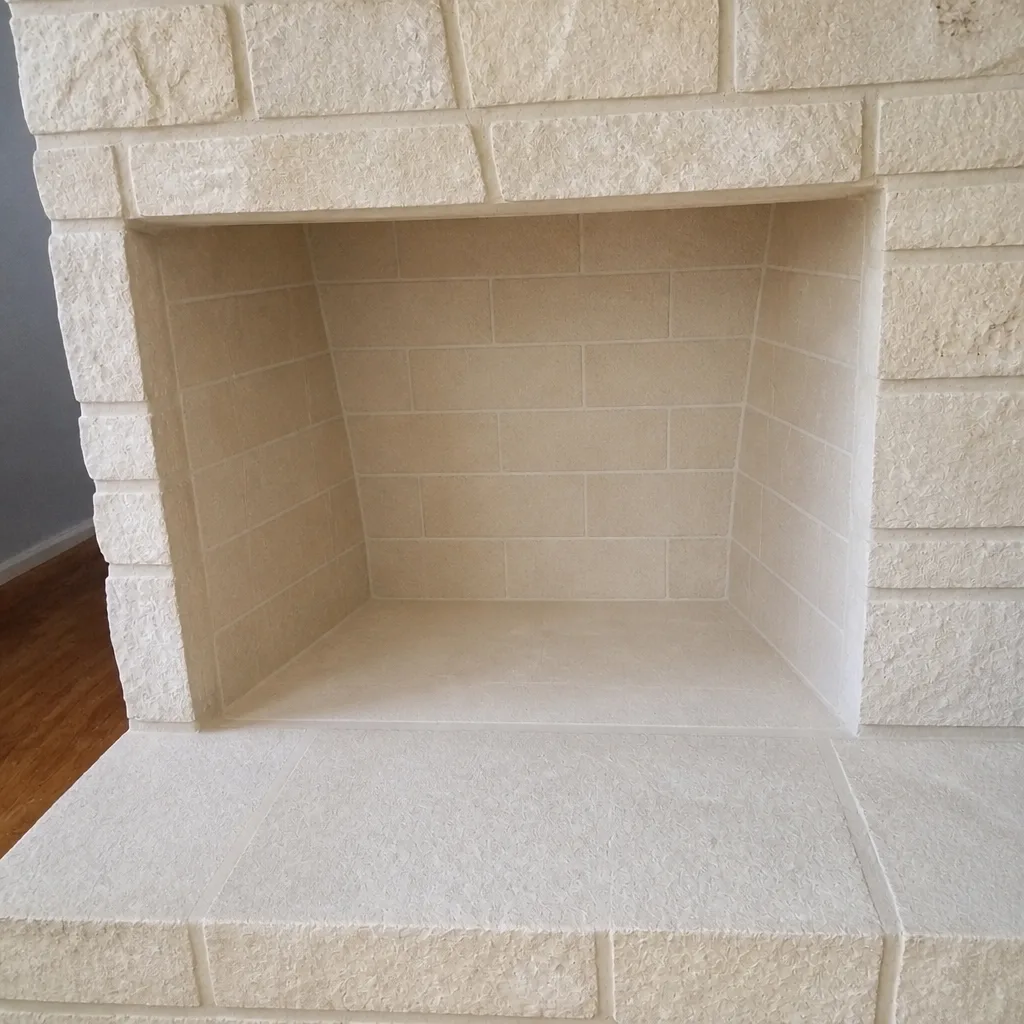
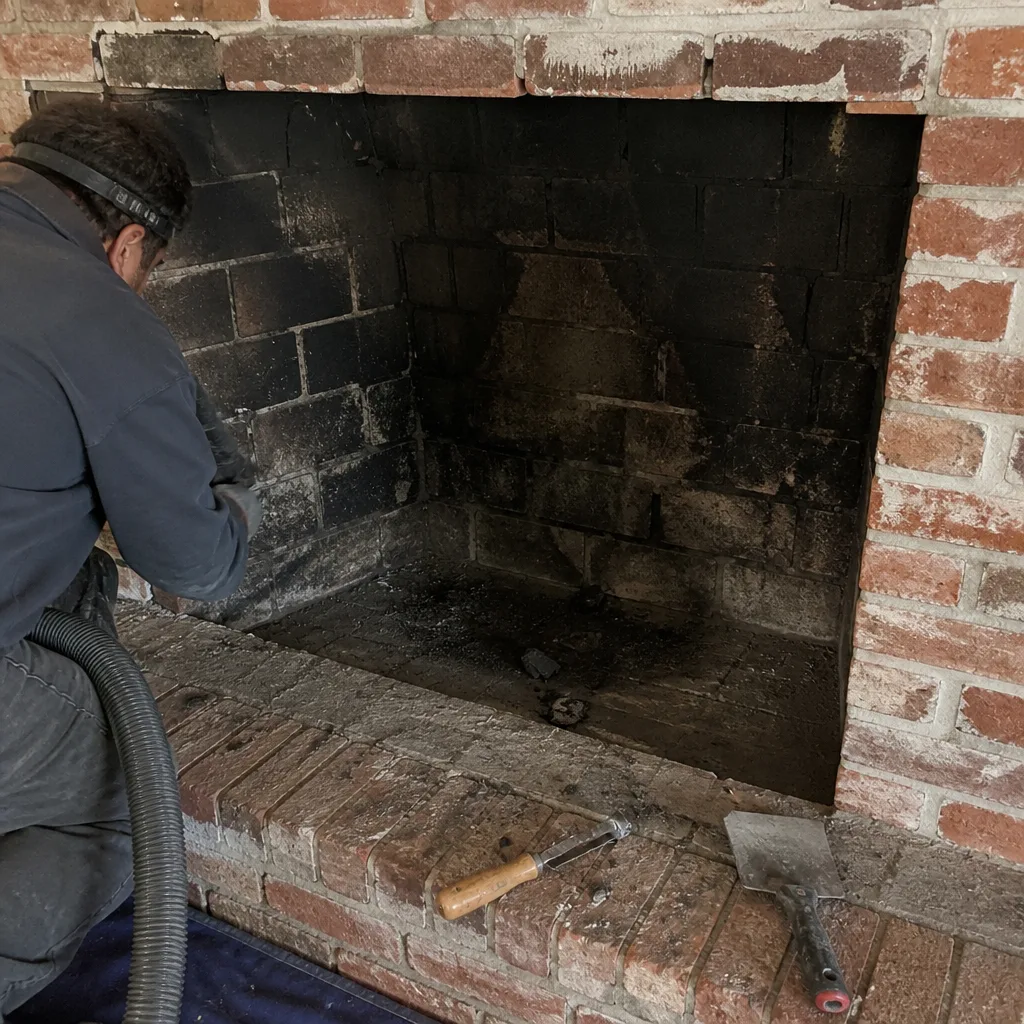
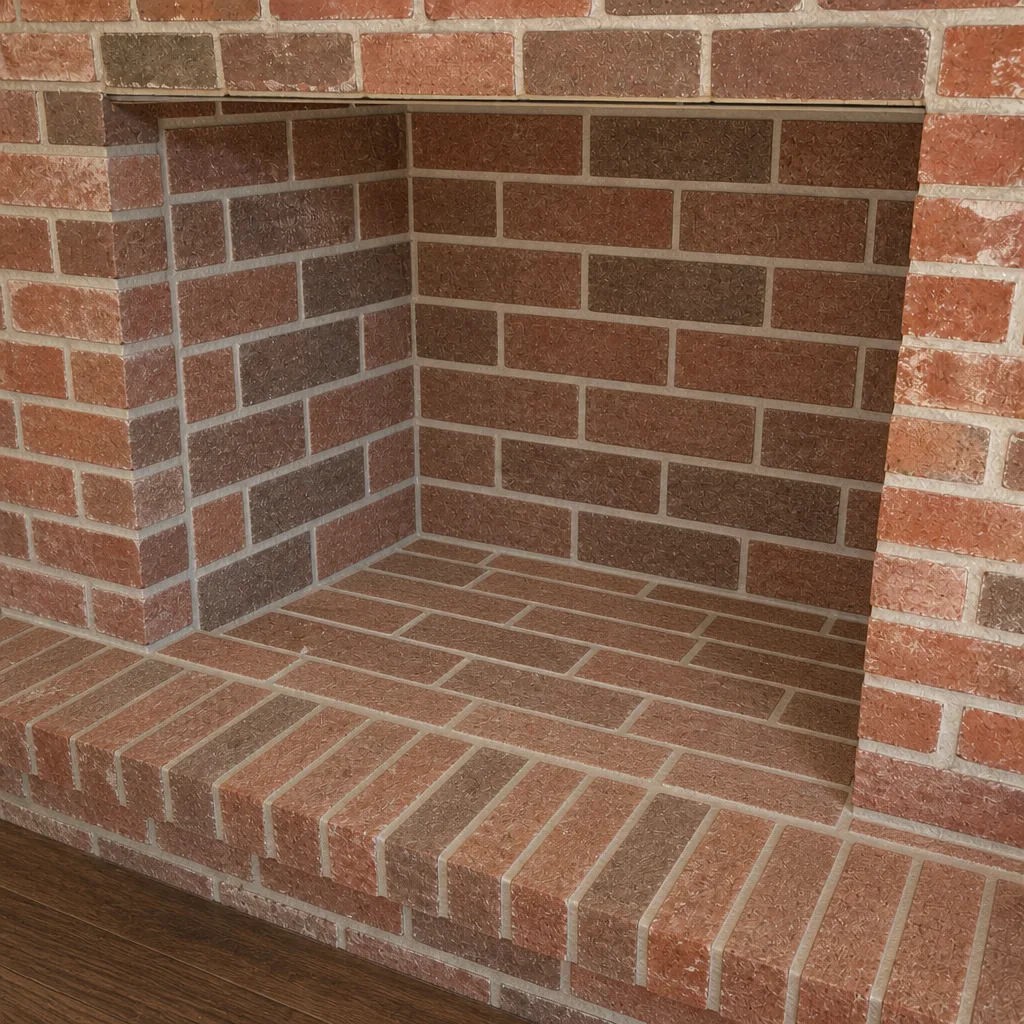
See the difference
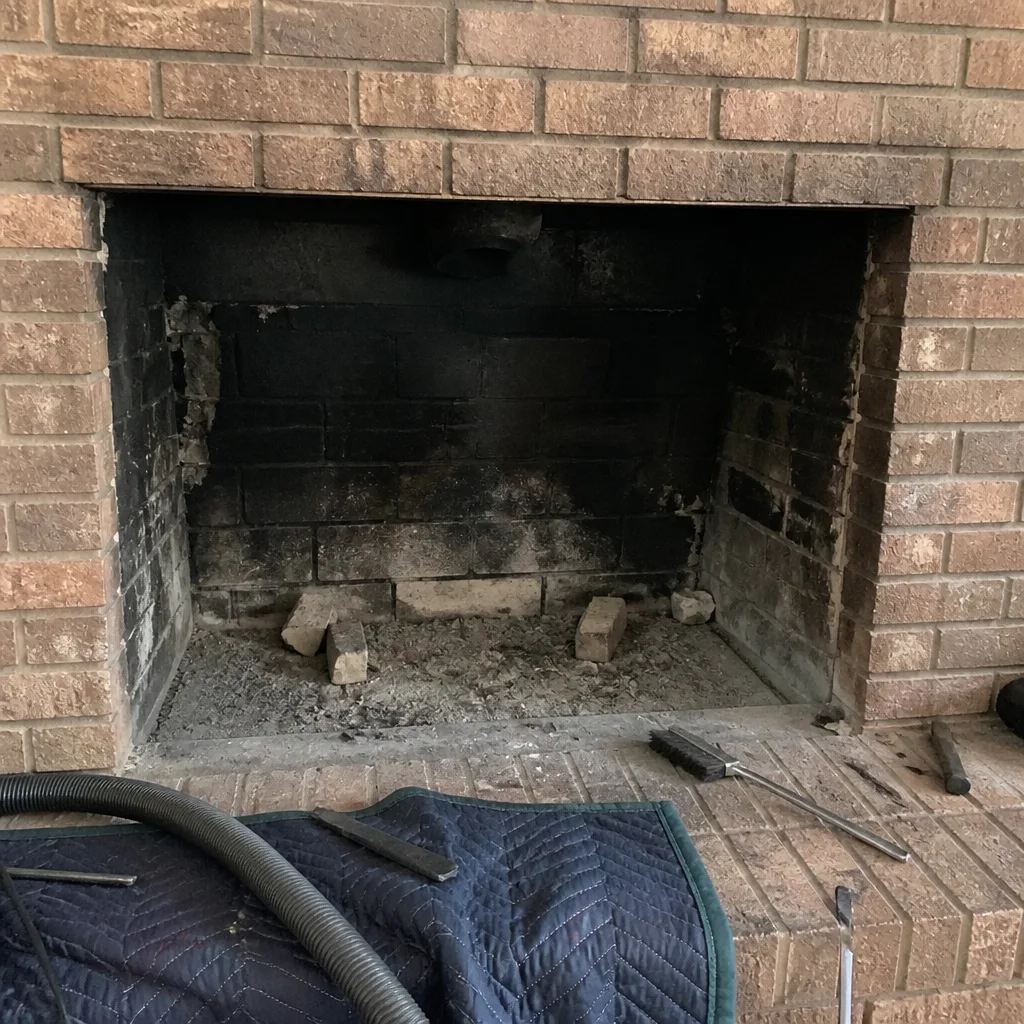 Before
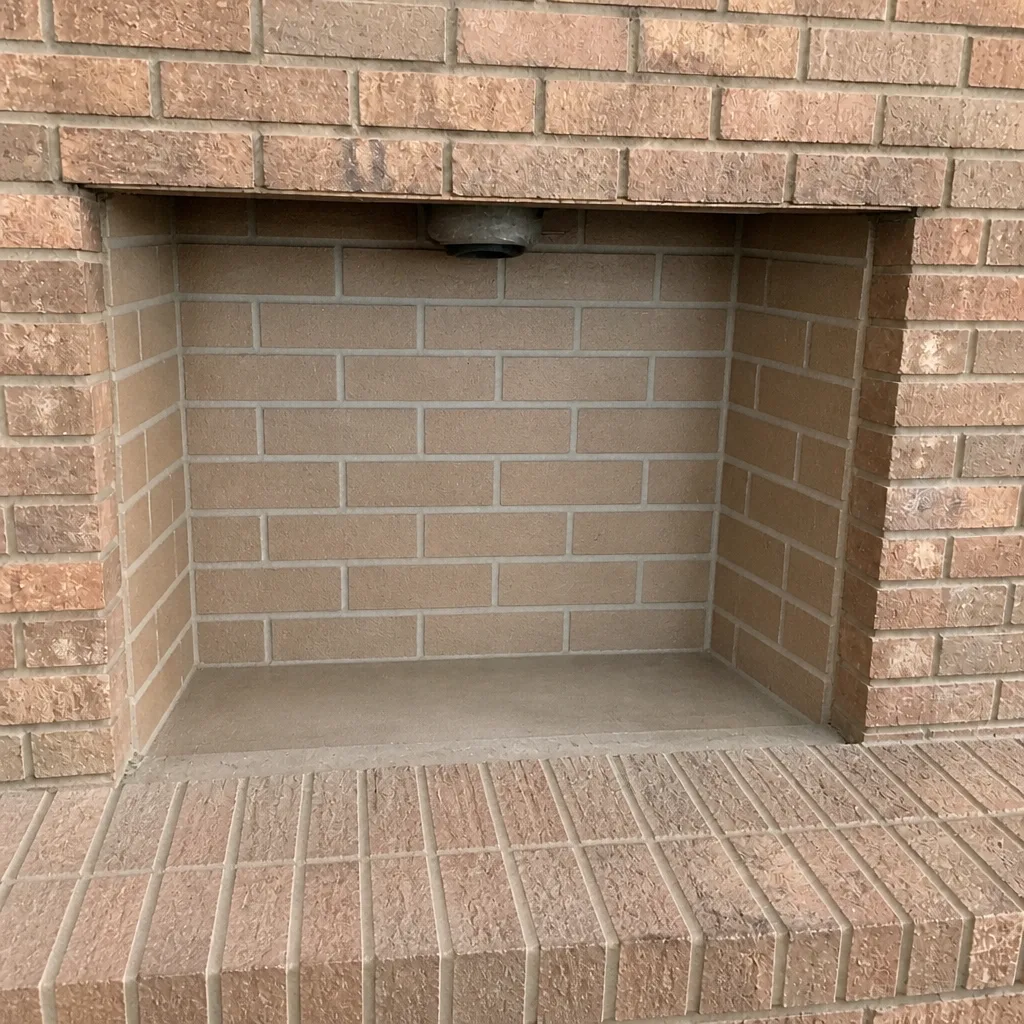 After
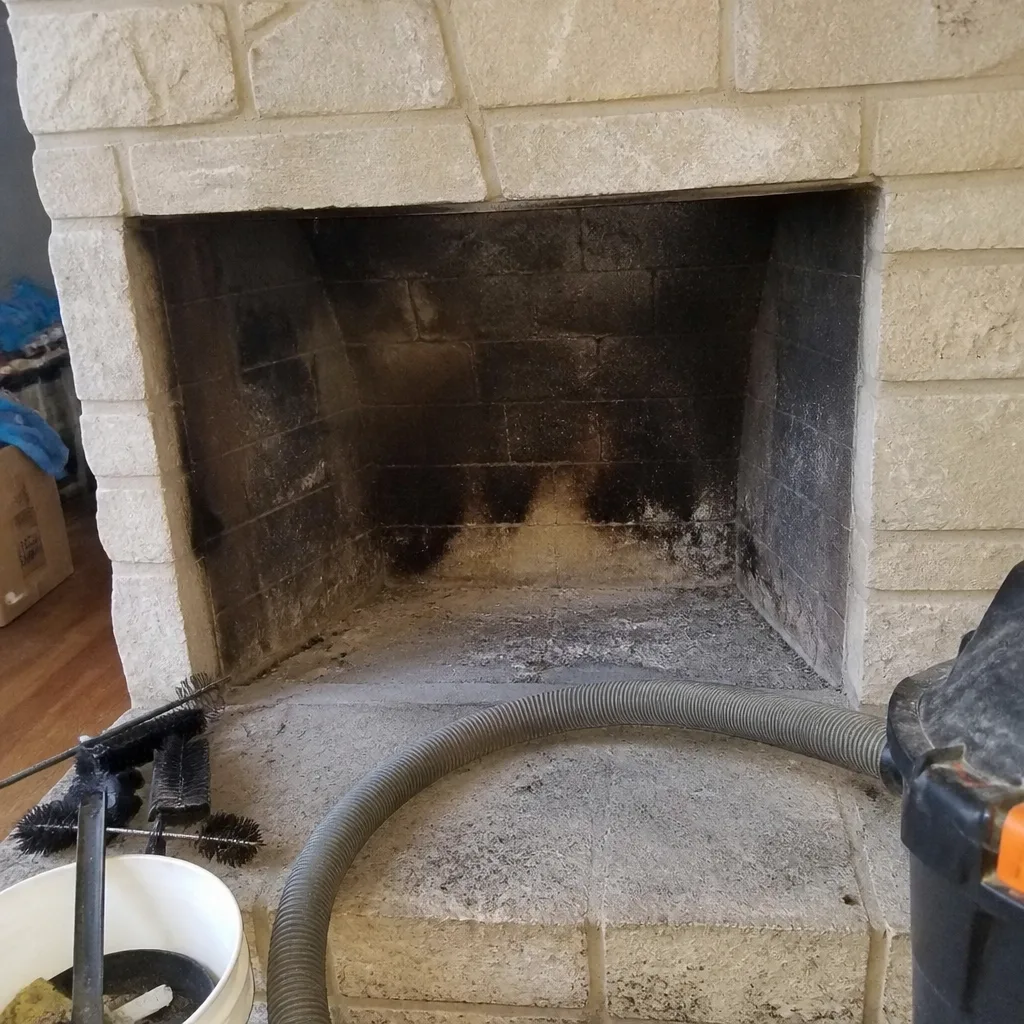 Before
 After
 Before
 After