
Last updated November 15, 2026
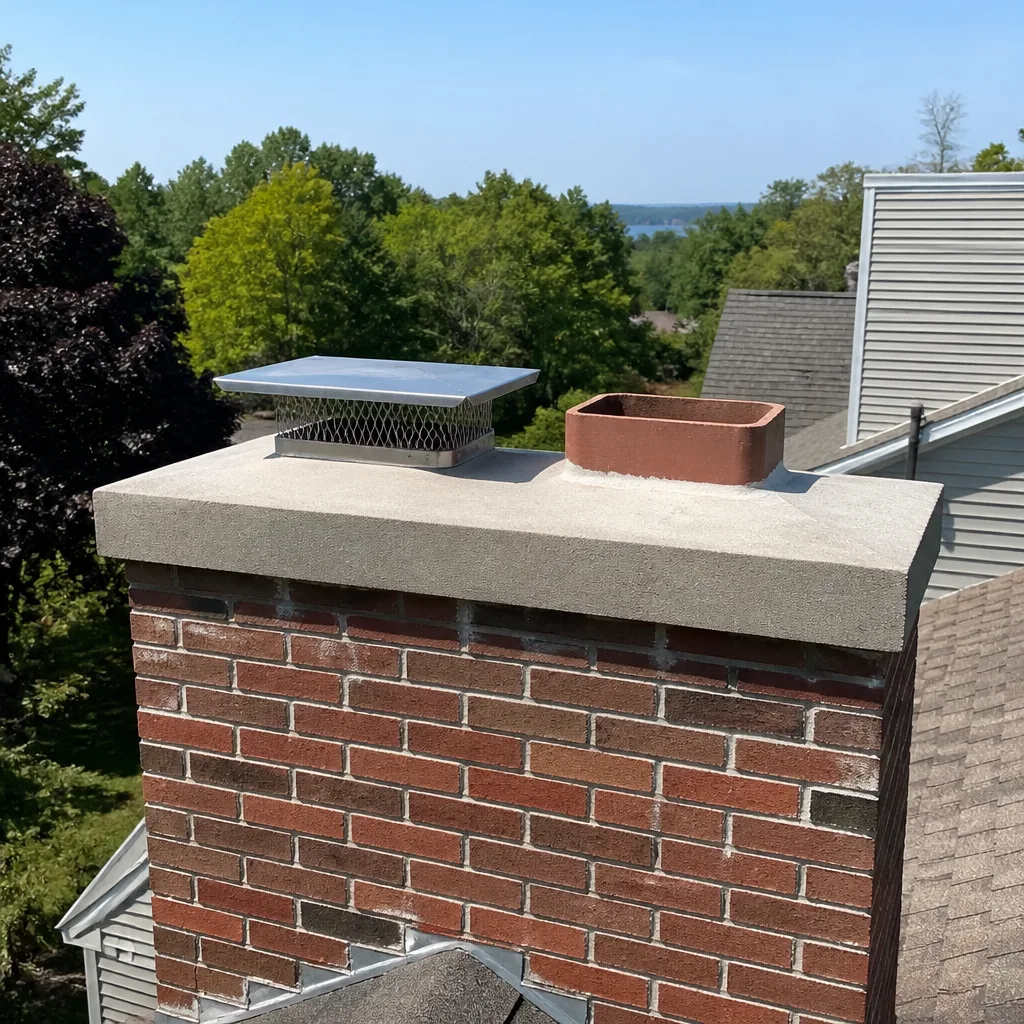 Sweep & inspection
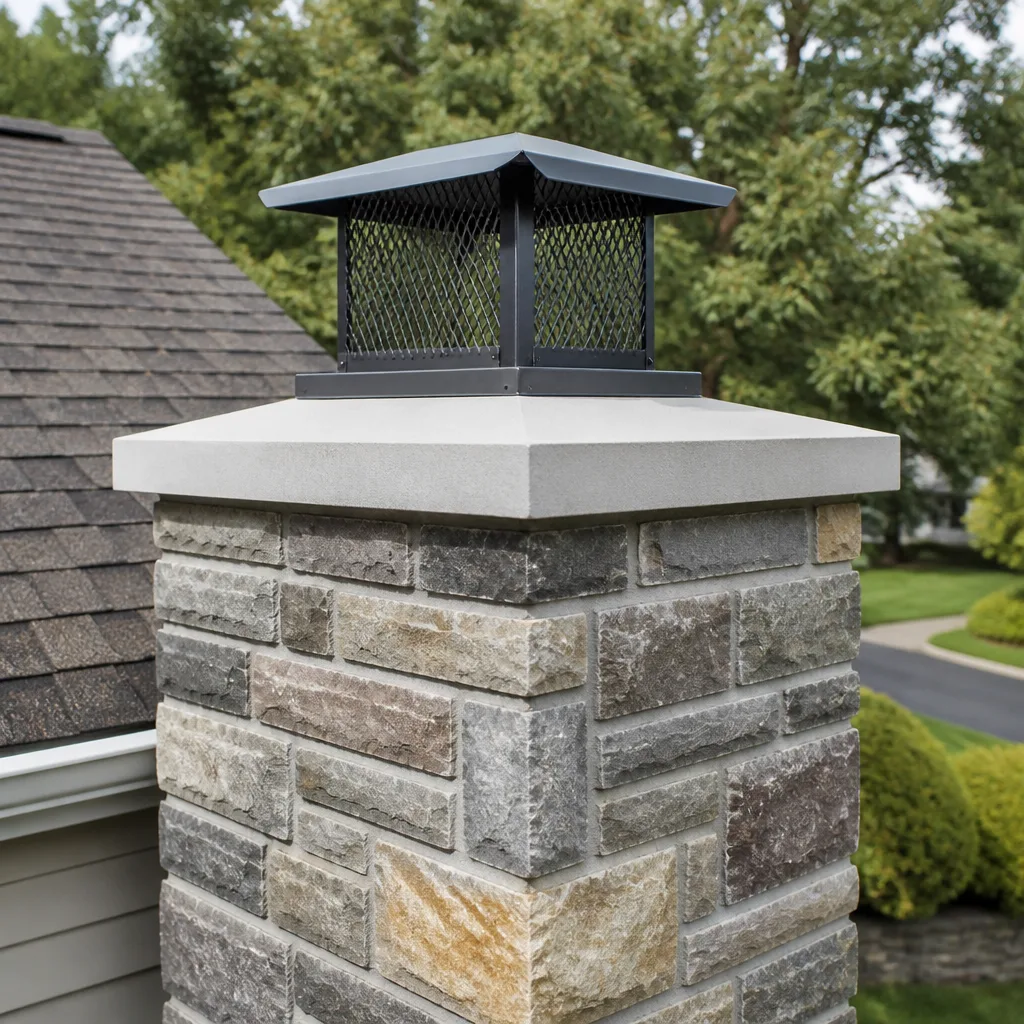 Caps & crowns
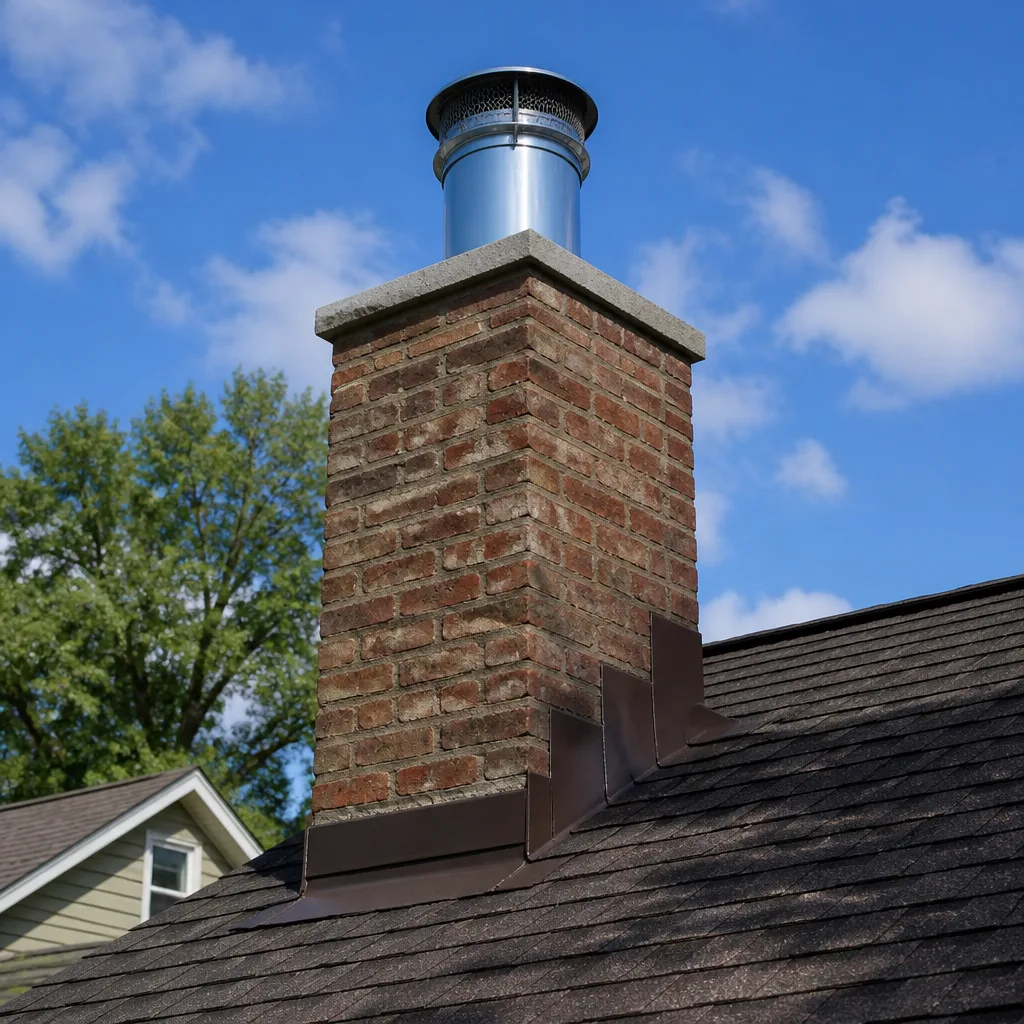 Flue relining
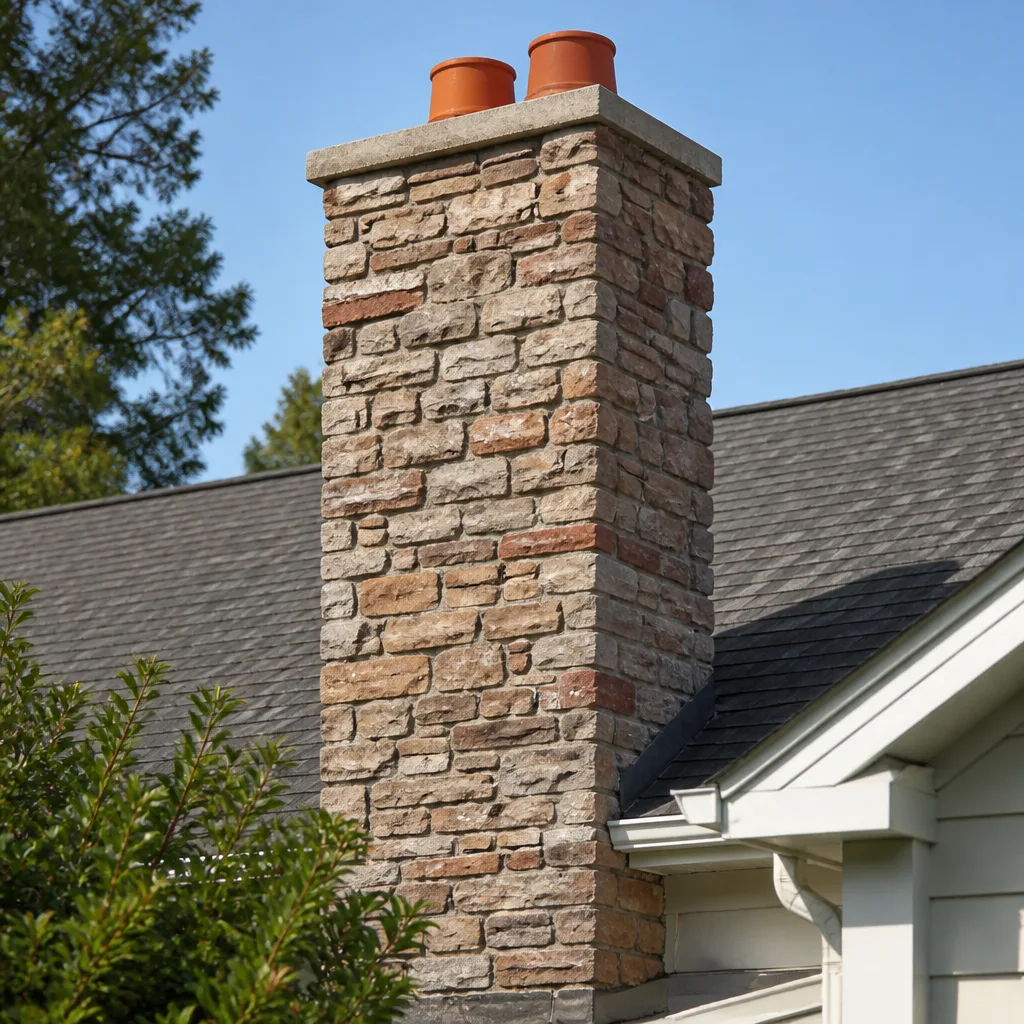 Masonry repair
 Gas fireplace service
Level 1 sweep and inspection to the NFPA 211 annual standard - flue, crown, cap, and flashing checked and photographed
Chimney sweep logs do not sweep chimneys. They loosen some creosote - which then falls where a brush and vacuum still have to collect it.
Seasonal Chimney Cleaning Care for Deltona: Year-Round Homeowner’s Guide
The standard chimney advice, clean it every fall, was written for someone in Ohio burning a hundred and fifty fires between October and April. If you own a fireplace in Deltona, that schedule doesn’t fit. Many of us here light ten or twenty fires a year, and the real threat to a Deltona chimney isn’t creosote build-up, it’s what happens to a flue that sits closed and unused through a long, humid summer and a storm season that can flex a cap loose overnight. This guide walks through the Deltona chimney calendar month by month: what to check before hurricane season, what to inspect after a storm passes, what to do before the first cool evening fire, and how to assess moisture damage once the burn window closes in March.
Quick Answer
In Deltona, chimney care runs on two events, not four equal seasons: hurricane season from June through September and the short winter burn window from roughly November to February. That means the two cleanings and inspections that matter most happen in October, before the first fire, and in March, after the last one, with a cap-and-flashing check in June and a storm inspection in September. Annual sweeping is still the baseline, but the timing is driven by humidity and weather exposure far more than by how much creosote you’ve accumulated.
Styles & brands we work with
- Sweep & inspection
- Caps & crowns
- Flue relining
- Masonry repair
- Gas fireplace service
Table of Contents
- Why the Standard Chimney Calendar Doesn’t Fit Deltona
- June: The Pre-Hurricane Cap and Flashing Check
- September: The Post-Storm Inspection
- October: Cleaning Before the First Fire
- March: Post-Season Moisture Assessment
- The Materials That Protect a Deltona Chimney Through the Wet Season
- Subtle Post-Storm Signs That Call for a Professional
- Common Mistakes to Avoid
Why the Standard Chimney Calendar Doesn’t Fit Deltona
Chimney maintenance advice published nationally almost always assumes one thing: a cold winter and heavy wood burning. The whole field of creosote management, the third-of-an-inch rule, the annual sweep-before-fall ritual, exists because burning a cord and a half of wood a season deposits a real layer of glazed creosote on the flue walls. Central Florida doesn’t work that way. A Deltona homeowner lighting an occasional fire has far less creosote to worry about than the advice assumes.
What Deltona has instead is the opposite problem: a chimney that spends eight months a year idle, capped, and exposed to the wettest, windiest stretch of the calendar. From June through September this region gets its heaviest rain, and a masonry chimney is basically a rain catcher pointed at the sky. Water gets in through failed caps, cracked mortar crowns, open flue tops, and gaps around the flashing where the chimney meets the roof. Once inside, it works on the brick and mortar from the inside out. That’s the real Deltona chimney risk, and it’s a moisture risk, not a firebox risk.
So the calendar shifts. Instead of one fall service, the Deltona chimney year has four checkpoints tied to weather and the burn season. In our experience, homeowners who service on this rhythm catch moisture and storm damage while it’s still a small repair, rather than after it has eaten into a flue liner.
- June: pre-storm cap and flashing check
- September: post-storm inspection
- October: cleaning and inspection before the first fire
- March: post-season moisture assessment
If you only have one service a year, put it in October. If you have two, add March. The June and September checks are quick and belong in the mix for anyone with a masonry chimney.
June: The Pre-Hurricane Cap and Flashing Check
June is when the chimney gets its last inspection before the heavy weather arrives. The goal is simple: close every gap before the rain finds it. A chimney that’s structurally sound in May is often a chimney that’s leaking by August, because a single loose cap or a hairline crack in the crown is all it takes. This is a check, not a cleaning, and it takes far less time than a full sweep.
What a June chimney check covers:
- Cap integrity. The chimney cap is the lid on the whole structure. A stainless cap, like the Gelco caps we install, keeps rain, birds, and squirrels out of the flue. Rusted-through steel caps and missing screens are the most common thing we find in June.
- Crown condition. The cement crown at the top of the chimney should slope away from the flue. Cracks or a flat crown let water pool and seep down.
- Flashing. The metal where the chimney passes through the roof is where a lot of slow leaks start. Lifted or unsealed flashing lets rain run down the outside of the flue.
- Mortar joints. Deteriorated mortar on a brick chimney lets water into the masonry mass. Repointing now is cheaper than rebuilding later.
- Damper and firebox. A damper that won’t close fully leaves a direct opening from the sky into your home. June is the time to notice it.
This check is routine, but it’s the one that pays off. Everything a June inspection catches is something you’d otherwise discover in October, when the damage has had all summer to develop. When we do a June look, we show you what we find and photograph the cap and flashing so you’re looking at the same thing we are.
September: The Post-Storm Inspection
September sits at the tail end of the rainy season, and that’s when a chimney should be looked at again. Even a storm season that doesn’t bring a direct hit brings wind gusts and sheets of blowing rain. A chimney is the tallest, most exposed thing on most Deltona roofs, and it takes the brunt of it. The September visit is about catching what the weather moved, not about cleaning.
What the post-storm inspection looks at:
- Displaced flashing. Wind can lift flashing edges just enough to open a seam. It’s not always visible from the ground.
- Shifted cap. A cap that’s been knocked slightly off-center lets water down one side of the flue.
- Loose or lost mortar. Wind-driven rain gets into weathered mortar and can spall the brick surface.
- Damper alignment. Wind pressure, or a settling chimney, can knock a damper slightly out of its frame so it no longer seals or opens cleanly.
- Cracks in the crown or chimney chase. Small cracks open wider over a summer of heat and rain, so what looked fine in June may not in September.
A chimney that has been through a named storm is a chimney that deserves a professional look, even if it looks fine from the driveway. Wind damage is subtle. It shows up as a damper that drags, a cap that rattles, or a drip on the ceiling a week after the rain. None of that is visible from the ground, and all of it is easy for a trained eye to spot.
October: Cleaning Before the First Fire
This is the cleaning that matters most, and not for the reason most people assume. The reason isn’t creosote. If you burned lightly last winter, you’ve got little build-up to worry about. The real reason a chimney that sat closed all summer needs a cleaning before the first fire is what got into the flue while it sat unused through June, July, and August.
What builds up in a Deltona chimney over an idle summer:
- Nesting debris. Birds, squirrels, and wasps move into an open or poorly screened flue. Their nests and droppings dry out and can catch.
- Moisture deposits. Damp flue walls hold moisture. When you light the first fire, that moisture has to come out as smoke or steam, and it can cause a burst of smoke into the room.
- Spider webs and cobwebs. They’re everywhere in a humid, closed flue by October and they block air flow, which is what causes that first-fire backdraft many Deltona homeowners notice each fall.
- Creosote from last season. Still worth clearing, even if there’s not much.
The cleaning itself is a straightforward sweep and a visual inspection of the flue, firebox, and damper. A camera inspection and photo report go with it. The important part is not the brush work, it’s what the sweep reveals about how the chimney handled its idle season. When we sweep, we show you what we find, including the inside of the flue, so you’re not taking our word for what’s up there.
Do this before the first fire, not after. Once you start burning in late October or November, you want a flue that’s clean, dry, and clear. If you wait until after a few fires, you’re burning into a flue that still has moisture and debris inside it.
March: Post-Season Moisture Assessment
When the last fire of the season goes out and temperatures climb back up, the chimney has done its job and the next concern is what winter leaves behind. March is the moisture assessment. The chimney goes from hot and dry to cool and damp, and this transition, plus the rain that continues into spring, is when moisture damage really takes hold.
What the March assessment looks at:
- Flue interior moisture. Water that got into the flue over the winter is still there in March. That moisture sits and works on the interior of the flue all spring.
- Efflorescence on exterior brick. The white, powdery staining is a sign moisture is moving through the masonry and depositing salts on the surface. It’s a reliable early warning.
- Rust on the chase cover. A non-stainless chase cover or cap rusts when it holds water. If you’ve got rust, the cover needs attention before next season.
- Spalled brick and cracking mortar. The exterior surface of a brick chimney breaks down when water gets in and freezes, or just corrodes the mortar over a damp spring.
- Damper and firebox condition. A firebox that took moisture all winter should be checked for cracking in the firebrick.
March is also where a resurfacing job, like HeatShield ceramic liner resurfacing, is often the right answer. Instead of a full liner replacement, a damaged or deteriorated flue can sometimes be resurfaced with a ceramic material that seals it from the inside. HeatShield is applied only by trained applicators, and it extends the life of a liner that’s still structurally sound but has lost its protective seal. It’s one of the repairs a homeowner doesn’t need to spring for immediately, if the flue is causing no problem. If March shows water damage, it can safely wait until it’s dealt with correctly.
The Materials That Protect a Deltona Chimney Through the Wet Season
Not all chimney materials handle a Deltona summer equally well. The right products keep water out without trapping it inside the masonry, which is the key distinction. A seal that locks moisture in is worse than no seal at all, because it holds water against the brick. What you want is a system of components engineered to shed water rather than soak it up.
Here’s how the professional-grade products we work with fit into a Deltona chimney:
- Gelco caps. A stainless steel Gelco cap sheds rain, blocks animals, and won’t rust through in a season. It’s the single most important piece of wet-season protection on the top of your chimney.
- Copperfield chase covers. For the flat roof of a chimney chase, a copper or stainless cover keeps the underside and the crown dry, rather than letting water pool.
- Olympia Chimney and Famco components. These cover the flue top and cap pieces that fit a range of chimney sizes, so the top of the chimney is closed with the right part instead of a universal one that fits loosely.
- HeatShield, for the inside. When the flue needs internal protection rather than a whole new liner, HeatShield ceramic resurfacing seals the flue from the inside without cracking under the temperature swings of the burn season.
- DuraFlex, for full relining. When a flue is too far gone to resurface, a DuraFlex flexible liner rebuilds the interior path directly, which is the full structural solution a sweep alone can’t provide.
Naming the product isn’t marketing for us. It’s how you know exactly what’s going into your chimney, and it’s the part of the job you can verify yourself. We use these products because they’re the right materials for a wet, hot, storm-exposed climate, not because they’re the cheapest. If you want to know what a repair will use before you approve it, the answer is on the estimate.
Subtle Post-Storm Signs That Call for a Professional
The obvious aftermath of a storm, a cracked chimney or a missing cap, is easy to spot. The subtle signs aren’t. Those are the ones that should send you to the phone, because they’re the ones most Deltona homeowners miss until the next fire. What you’re looking for isn’t necessarily damage you can see from the ground; it’s small changes in how the fireplace behaves.
Call for a professional inspection after a storm if you notice any of these:
- A damper that suddenly drags or won’t seal. Wind or a slight chimney shift can move the damper out of its frame. If it operated smoothly last winter and doesn’t this fall, that’s a change worth checking.
- A cap that rattles or sits off-center. A cap that shifted sits loosely and lets rain down one side of the flue.
- Flashing that looks lifted or has lost its seal. You don’t need to climb up to see it; look at the roofline where the chimney meets the roof. A lifted edge is a leak waiting to happen.
- Water staining on the ceiling or chimney face. A drip or stain after a storm is a leak, and the source is usually the cap, crown, or flashing.
- A smokey smell in the house. If the chimney smells smoky on a humid day, the flue is drawing moisture or the cap and damper aren’t holding.
- Loose mortar or brick dust on the roof. Small debris around the chimney base, after a storm, means something up top is breaking down.
None of those signs is panic-inducing on its own. But they’re the ones that turn into expensive repairs if you don’t have them checked. A post-storm inspection is quick, and it’s the difference between fixing a shifted cap and replacing a water-damaged liner.
Common Mistakes to Avoid
- Treating fall as the only chimney month. In a climate where the wet season does the most damage, waiting for October to think about the chimney means the summer’s moisture damage has had months to develop.
- Sealing a chimney with the wrong product. Waterproofing that traps moisture inside the brick makes a Deltona chimney worse, not better. The right seal lets the masonry breathe while keeping rain out.
- Assuming no creosote means no service. A lightly used chimney with ten fires a season still collects nesting debris, moisture, and cobwebs over an idle summer, and it still needs its annual sweep and inspection.
- Waiting until it’s storm season to look at the cap. The best time to check a cap and flashing is June, before the rain. If you wait until after a storm, you’re inspecting after the damage, not before it.
- Ignoring a small drip. A slow leak at the flashing or crown can look like nothing. It’s a repair today and a liner replacement in a couple of seasons.
- Skipping the post-season look. March is when winter’s moisture settles into the flue. Skipping it means that moisture sits there all spring and summer.
- Trusting a repair quote without evidence. Any repair recommendation should come with a camera inspection and photo report you can see. If a company tells you the flue needs work but can’t show you why, ask to see the photos before you agree to anything.
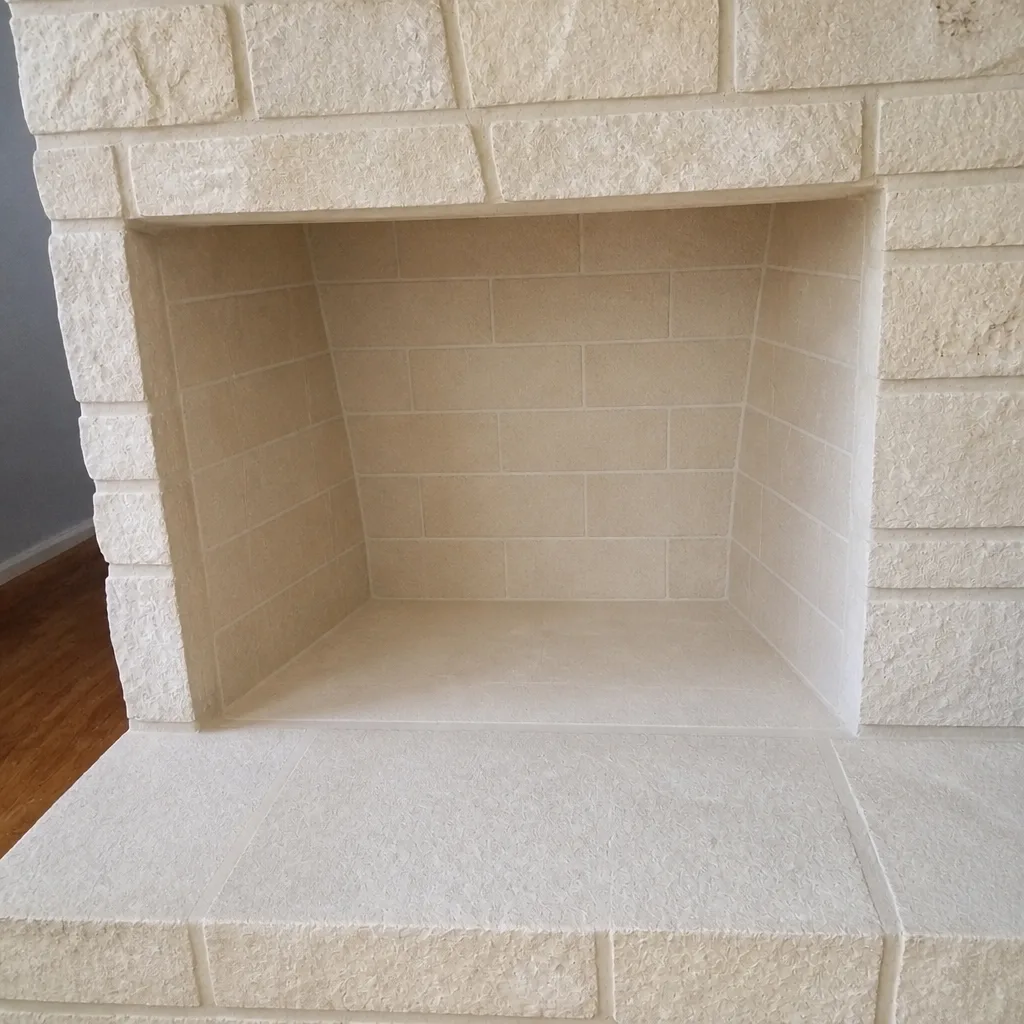
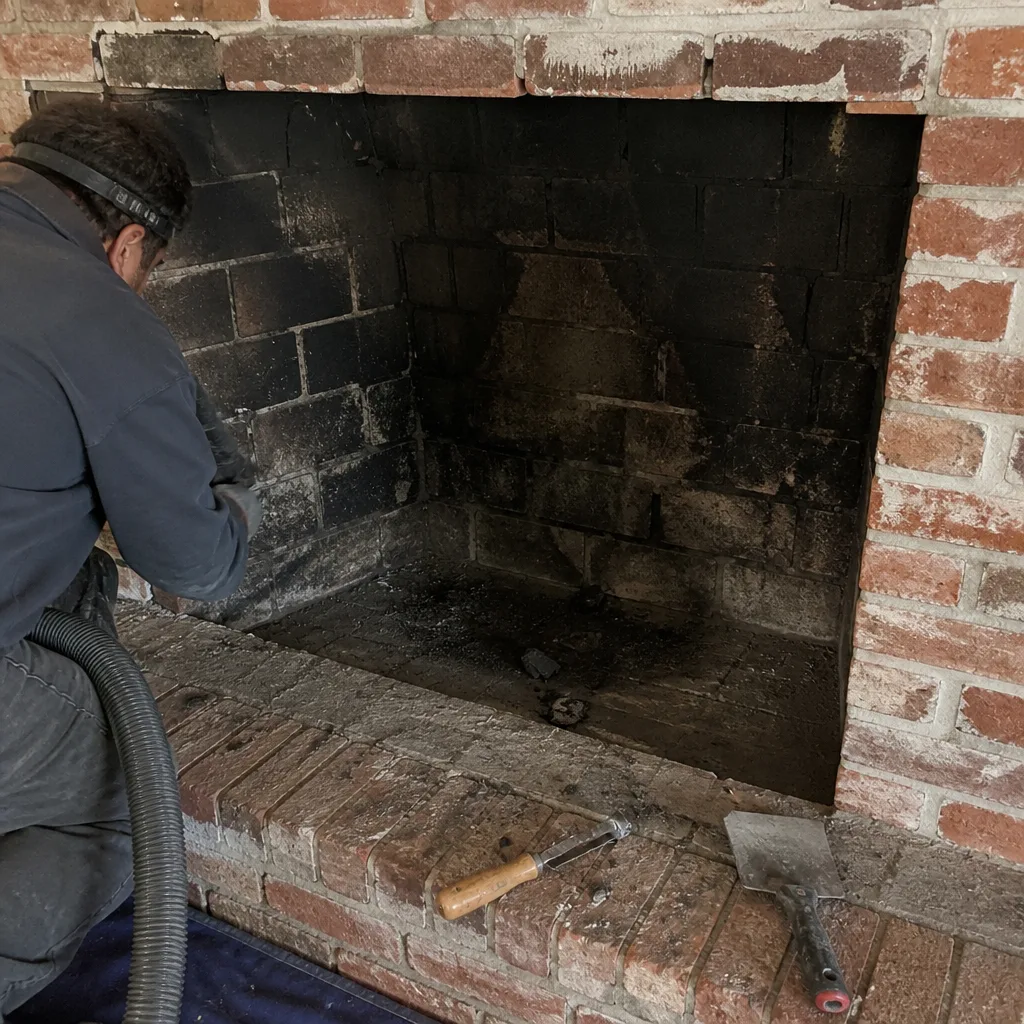
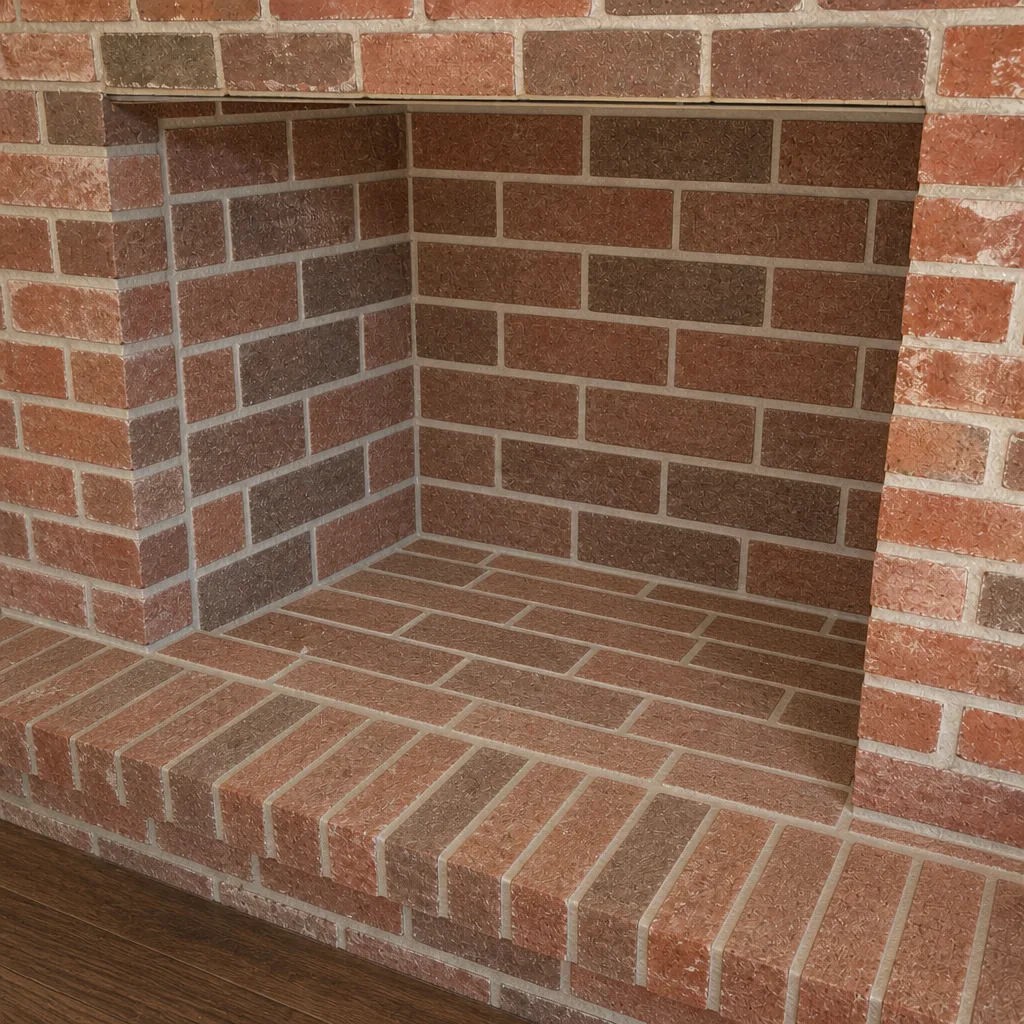
See the difference
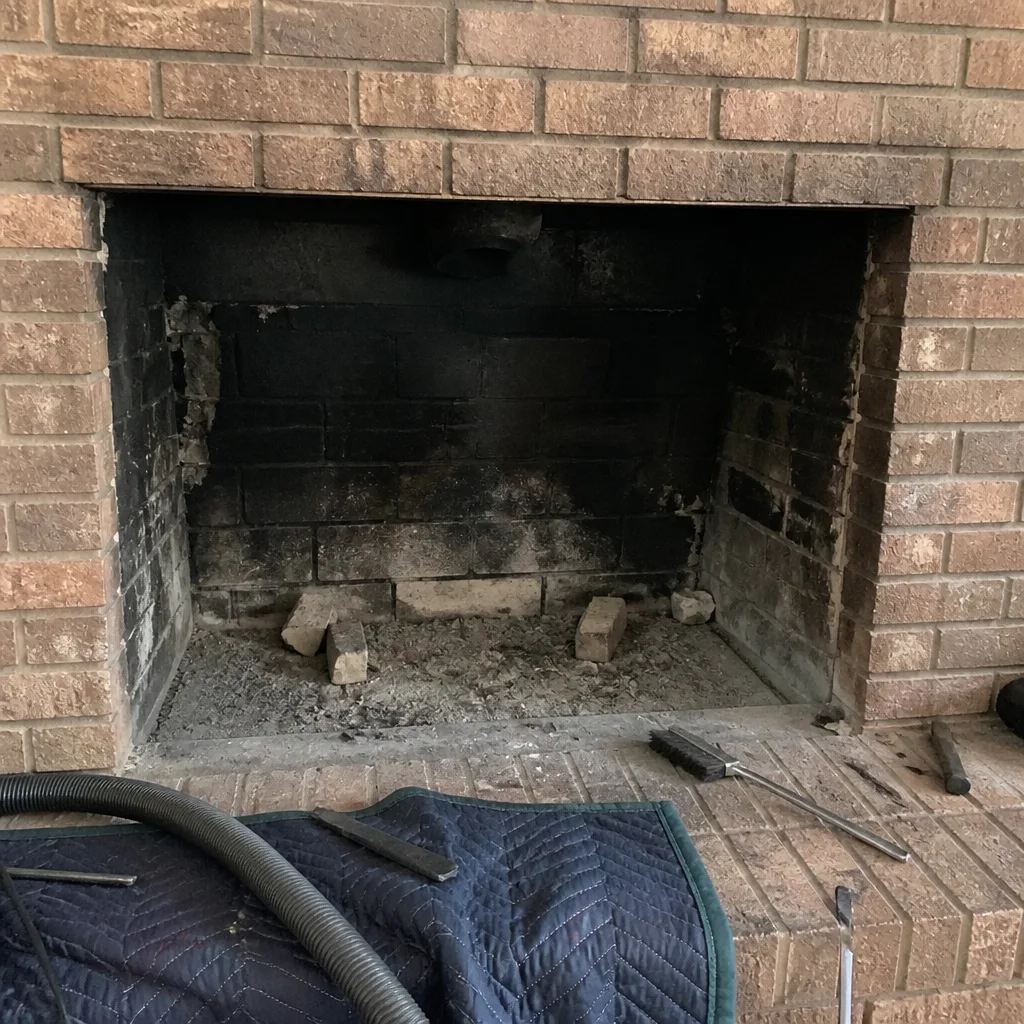 Before
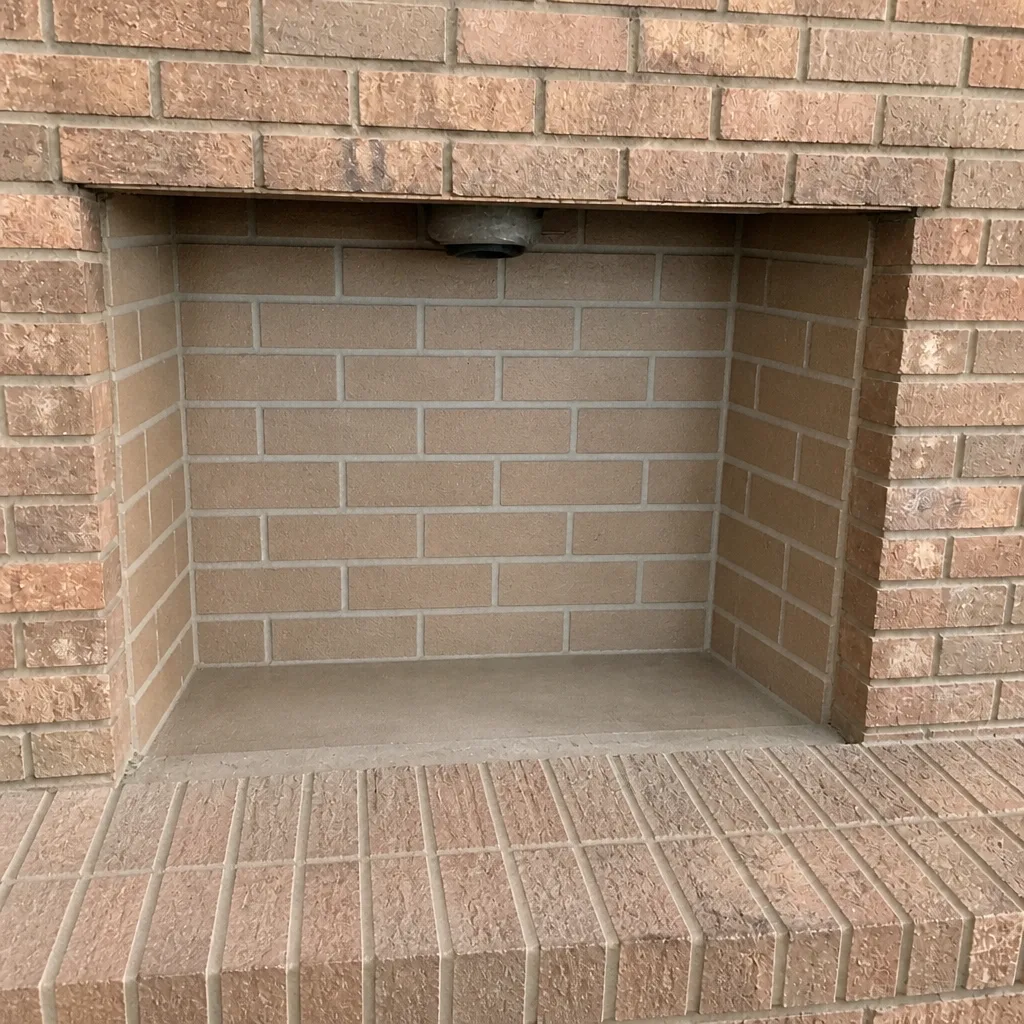 After
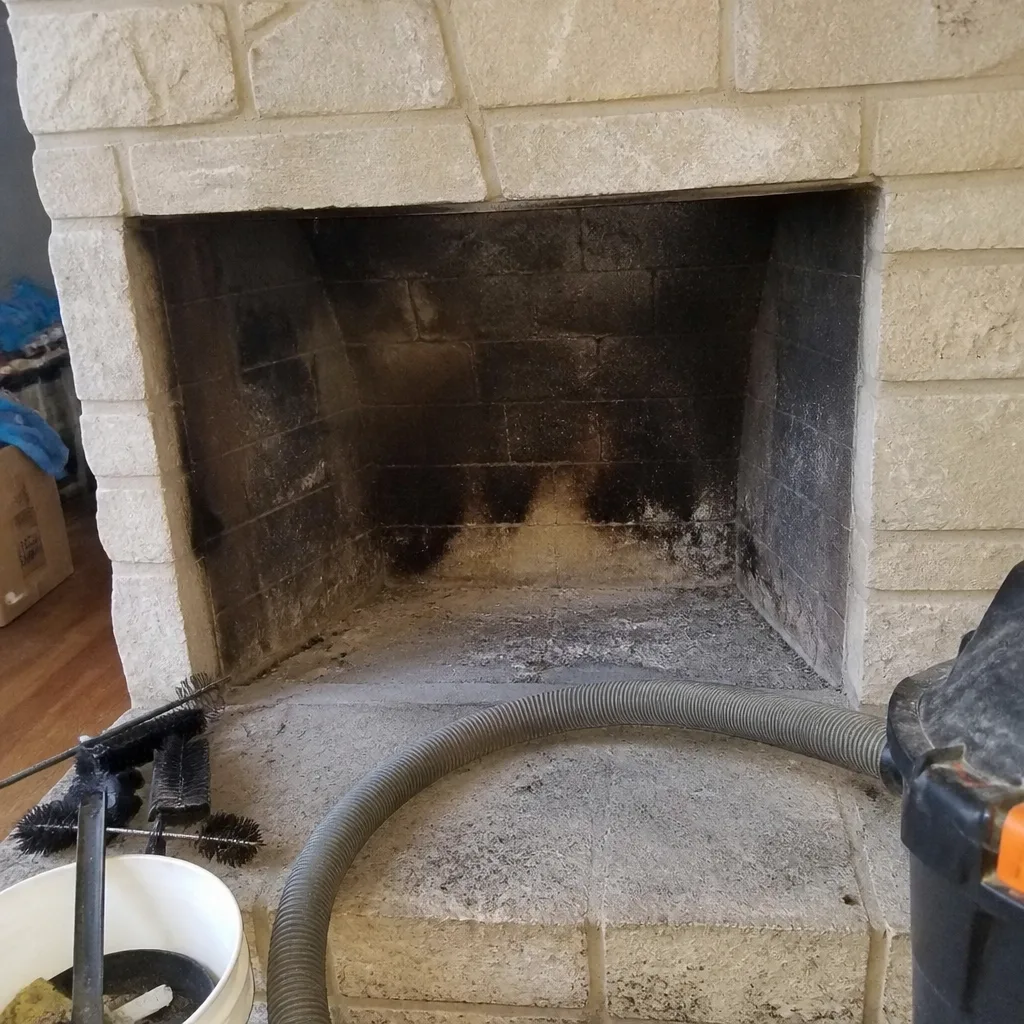 Before
 After
 Before
 After
When to Call a Professional
Some of this work you can inspect from the ground with a flashlight. The rest needs a professional. Call when you notice a damper that won’t seal, a cap that’s shifted, water staining after any storm, or a smokey smell in a humid house. Call before the first fire if the chimney hasn’t been swept since last season, and call after any named storm passes, even if nothing looks wrong from the driveway. Those subtle signs, shifted flashing, a displaced damper, a rattling cap, are exactly what a trained inspection catches. Chimney Sweep Deltona offers free estimates in Deltona for any of these. Our technicians have up to 9 years of experience, and we use professional-grade materials throughout. Call (888) 458-8065. We answer 24/7. Fast dispatch from 7am to 7pm, Sunday through Friday.
Frequently Asked Questions
Once a year at minimum, and the best time is October, before the first fire. If your chimney hasn’t been swept since last season and it sat unused all summer, the sweep clears nesting debris, moisture deposits, and cobwebs, not the creosote that drives national advice. For a masonry chimney that spends the summer exposed, the annual sweep also doubles as the inspection that catches moisture and storm damage early. Call (888) 458-8065 for an exact quote. Estimates are free.
Yes, and in Deltona the reason is weather, not wood. A chimney that’s idle for eight months collects debris and moisture even if you’ve only burned a handful of fires. The annual sweep is really about checking the flue and clearing what the summer left behind before you light the first fire. Skipping it means burning into a flue that took on moisture and nesting debris all season. Call (888) 458-8065. Estimates are free.
The main risk is moisture damage to the flue and masonry, not a fire. That’s a real safety concern too: a damaged liner can let smoke and carbon monoxide into the house, and a blocked flue can cause backdraft. But the more common outcome is water working into the brick and liner over one or two wet seasons, turning a minor repair into a full reline. The annual sweep and a September storm inspection are how you avoid that. Call (888) 458-8065. Estimates are free.
Yes, even if it looks fine from the ground. Wind damage to a chimney is rarely obvious. It shows up as shifted flashing, a displaced damper, a cap that’s knocked off-center, or a loosened crown. A professional post-storm inspection catches those before they turn into a leak. If your Deltona home has been through a named storm, have it looked at before you use the fireplace. Call (888) 458-8065. Estimates are free.
A sweep cleans the flue and removes debris. An inspection looks at the condition of the flue, cap, flashing, crown, and firebox to find damage. In our full-service chimney care, they’re usually done together: the sweep clears the flue, then the inspection shows you what’s up there, with a camera and a photo report so you can see it yourself. That’s what we mean by full-service chimney care: sweep, repair, and inspection in one relationship. Call (888) 458-8065. Estimates are free.
Not safely, without a sweep and inspection first. An idle chimney can be home to bird and squirrel nests, wasp nests, cobwebs, and moisture. Lighting a fire into that flue is what causes the first-fire backdraft and smoke in the room that a lot of Deltona homeowners notice in late fall. A cleaning and inspection before the first fire clears the flue and lets you start the season with a dry, clear chimney. Call (888) 458-8065. Estimates are free.
The Bottom Line
Chimney care in Deltona runs on weather and the burn window, not on the creosote calendar written for cold-climate homeowners. Check the cap and flashing in June before the wet season. Inspect after any storm in September. Clean and inspect in October before the first fire. Assess moisture in March after the last one. When you need work done, a chimney repair or a chimney sweep should come with a camera inspection and a photo report you can see. That standard, plus the professional-grade materials we name, is what makes a chimney safe to burn, season after season. For homeowners across Deltona, the calendar above is a simple one to follow.
Contact
If you’re not sure where your chimney stands going into the season, the best move is a free estimate and a professional look. Chimney Sweep Deltona covers the full chimney service lifecycle, from the annual sweep to structural repairs and safety inspections, and we show you what we find before we recommend anything. Call (888) 458-8065. We answer 24/7. Fast dispatch from 7am to 7pm, Sunday through Friday.
Written by the team at Chimney Sweep Deltona.